
Actuators: Technical Definition, Types and Operating Principles
Actuators
Definition
Actuators are devices that convert energy (electric, hydraulic, or pneumatic) into controlled motion or force. They produce linear or rotary movement in response to a control signal to move or control mechanisms such as valves, robotic arms, or machinery. Actuators enable automated systems to perform physical tasks reliably and accurately.
Overview
Actuators: Technical Definition, Types and Operating Principles
An actuator is a transducer that converts an energy input into physical motion or force to produce mechanical work. In industrial and automation contexts, the term commonly denotes devices that drive linear or rotary motion to operate valves, dampers, grippers, robot joints, conveyor lifts, and other mechanical elements. Actuators form the physical output stage of a control loop and are distinguished by their energy source, output characteristic (force, torque, or displacement), control interface, and dynamic performance.
Primary categories and operating principles
- Electric actuators: Use electric motors (DC brush, brushless DC, stepper, or AC induction) often coupled to gearboxes or lead-screw mechanisms to produce rotary or linear motion. They provide precise positioning, good controllability, and are common in robotics, machine tools, and valve control.
- Pneumatic actuators: Use compressed air to generate force. Typical implementations include single- or double-acting cylinders and piston-based rotary actuators. Pneumatics provide high speed, simplicity, and intrinsic cleanliness but have lower stiffness and positioning precision compared with electric drives.
- Hydraulic actuators: Use incompressible hydraulic fluid under pressure to produce large forces and torques via pistons or hydraulic motors. Hydraulics are used where high power density is required, such as heavy machinery, presses, and mobile equipment.
- Thermal and phase-change actuators: Rely on thermal expansion or phase-change materials (e.g., wax motors, shape memory alloys) to create movement. These are used in temperature-responsive valves, safety devices, or compact applications with low-speed actuation requirements.
- Piezoelectric and ultrasonic actuators: Use piezoelectric elements to generate very small displacements with high precision and fast response—typical in micro-positioning, optics, and precision instrumentation.
Key performance metrics
- Force or torque: Maximum continuous and peak output. For fluid actuators, force is often computed as pressure times piston area; for rotary electric actuators, torque is the primary metric.
- Stroke or rotation range: Linear travel distance or angular span; includes end-of-travel limits and travel speed.
- Speed and acceleration: Maximum velocity and achievable acceleration profiles, important for cycle time and dynamic response.
- Resolution and repeatability: For positioning actuators, the smallest controllable increment and the ability to return to a setpoint consistently.
- Bandwidth: Frequency range over which the actuator can follow command changes accurately; relevant in closed-loop control and vibration-sensitive applications.
- Duty cycle and life: Expected operating cycles, on-time percentage, and maintenance intervals under specified loads and environments.
- Efficiency and power consumption: Particularly relevant for electric actuators and systems with limited power budgets.
Control and feedback integration
Actuators are typically controlled via open-loop or closed-loop strategies. Open-loop actuation applies commands without direct position feedback and is common for simple pneumatic cylinders or stepper-driven systems where adequacy is verified by design. Closed-loop control uses position, velocity, or force feedback from sensors such as rotary encoders, linear encoders, potentiometers, LVDTs, or load cells. Closed-loop systems implement servo controllers, PID loops, and trajectory planning to achieve precise motion profiles, reduce overshoot, and compensate for load changes and non-linearities.
Interfaces and communication
Modern actuators expose electrical and pneumatic/hydraulic connections plus control interfaces. Electric actuators may accept analog commands (0-10 V, 4-20 mA), digital pulses, step/dir signals, or fieldbus/network protocols (CANopen, EtherCAT, Modbus, ProfiNet). Hydraulic and pneumatic actuators require valves and proportional control elements to regulate pressure and flow. Proper interface selection influences latency, determinism, and ease of integration into higher-level control systems.
Design considerations and trade-offs
Choosing an actuator involves trade-offs among precision, force density, speed, control complexity, cost, and environmental robustness. Electric actuators excel in precision and control but may be bulkier or less force-dense than hydraulics. Pneumatics are simple and fast but introduce compliance and creep. Piezo and SMA actuators provide high precision or compact actuation but limited stroke. Consider thermal behavior, sealing, ingress protection, EMC compliance, and maintainability when specifying actuators for industrial settings.
Common applications and examples
- Robotic joints and end-effectors using brushless servomotors with harmonic drives for high torque and low backlash.
- Industrial valve automation using electric or pneumatic actuators with positioners for flow control in process plants.
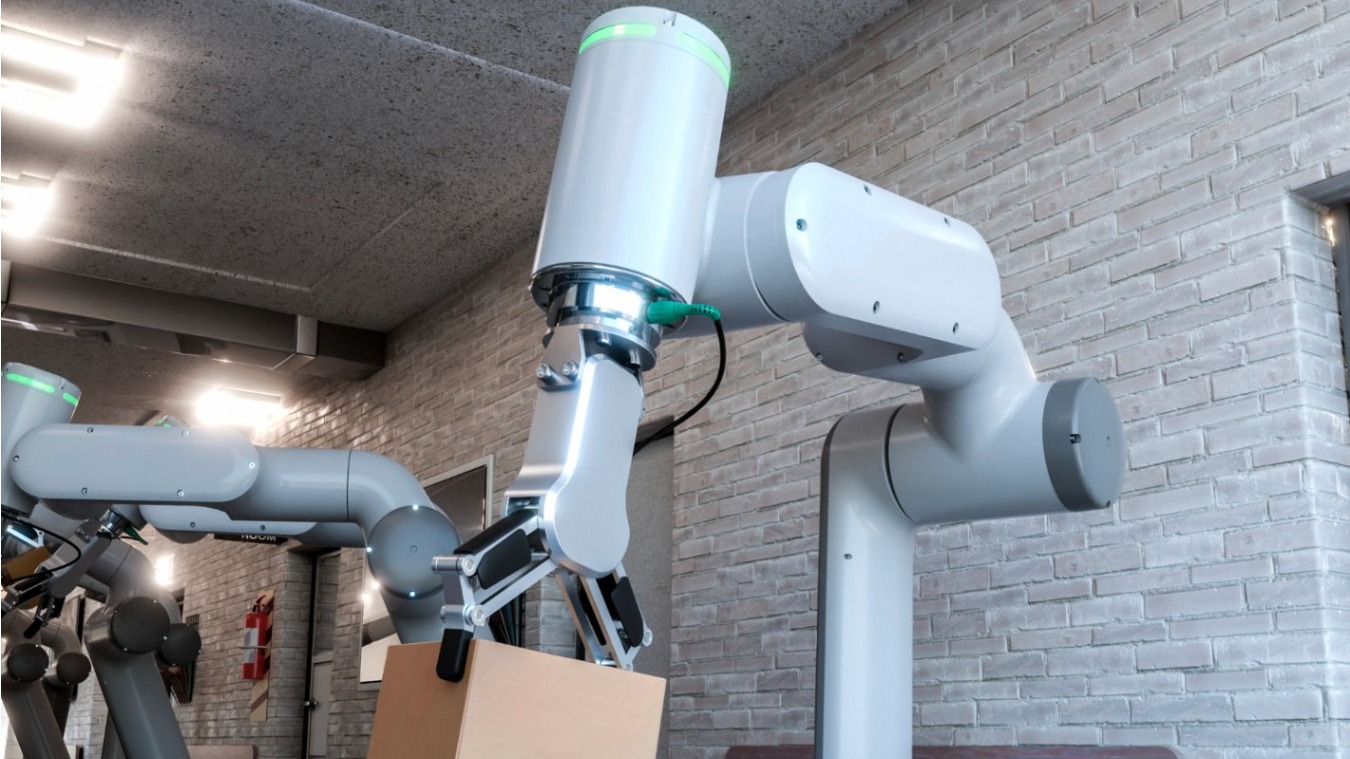
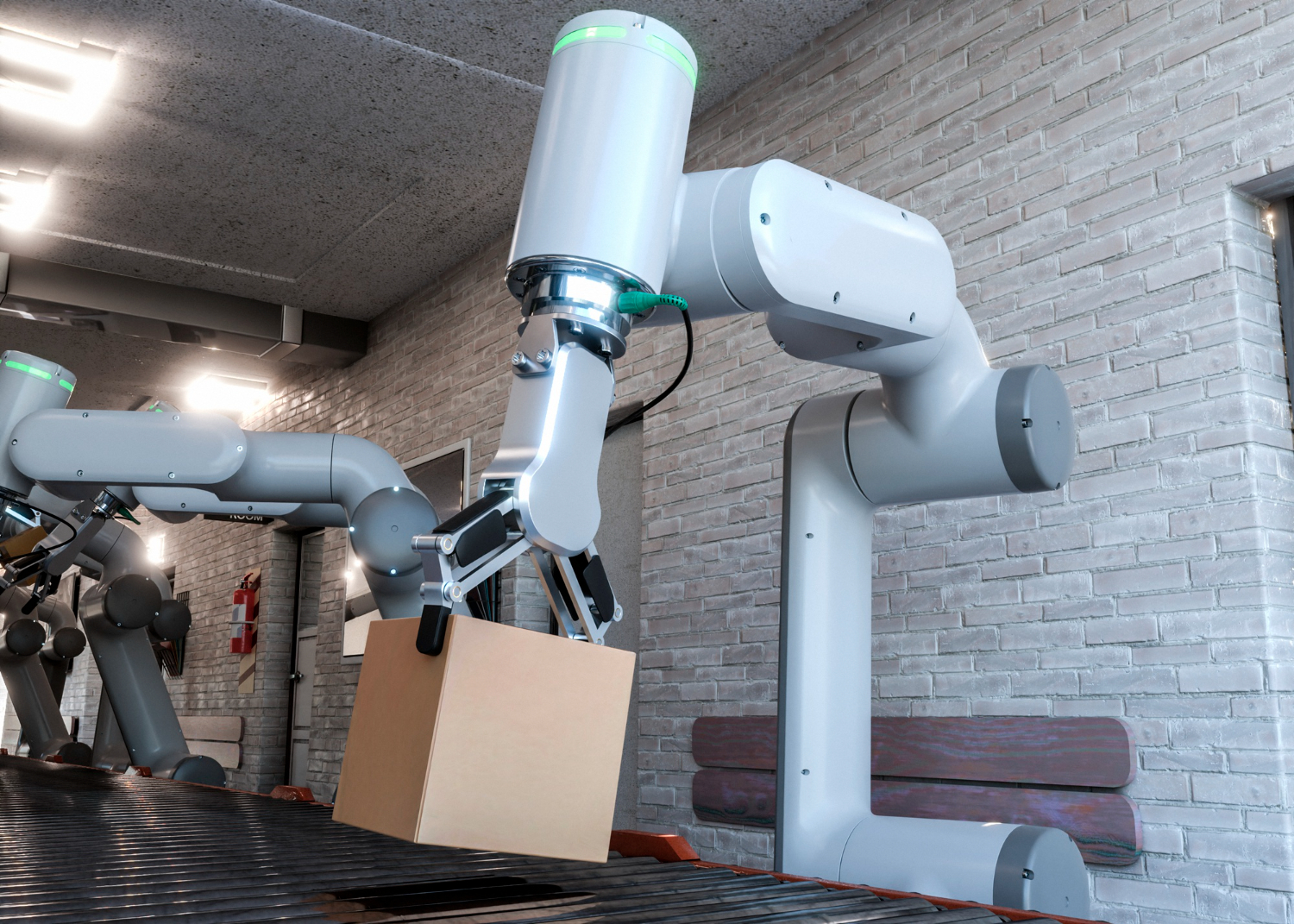
- Material handling grippers using pneumatic cylinders for simple open/close actions, or force-controlled electric actuators for delicate parts handling.
- High-force hydraulic cylinders in lifting and press operations where peak loads exceed electric actuator capabilities.
Summary
Actuators are essential mechanical converters that provide controlled motion and force in automated systems. Their selection and integration require an understanding of energy source, dynamic performance, control strategy, feedback mechanisms, environmental constraints, and lifecycle costs. Proper specification and control enable reliable, accurate, and efficient actuation across a wide range of industrial applications.
Sources And Additional Reading (3)
- Actuators: What They Are and Choosing the Right Type
“Actuators: What They Are and Choosing the Right Type.” Thomson Linear, https://www.thomsonlinear.com/en/products/actuators.
- Complete Guide to Actuators
“Complete Guide to Actuators.” Thomasnet, https://www.thomasnet.com/articles/automation-electronics/types-of-actuators/.
- Types of Electric Actuators
“Types of Electric Actuators.” IAI America, https://www.intelligentactuator.com/.
More from this term
Looking for a 3PL?
Compare warehouses on Racklify and find the right logistics partner for your business.