
Best Practices for Shipping Flammable Liquid Products Safely and Efficiently
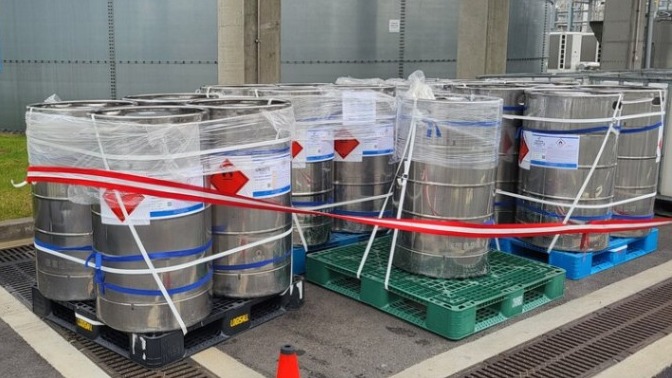
Flammable Liquid
Definition
A flammable liquid is a liquid that produces enough vapor at normal temperatures to form an ignitable mixture with air and can catch fire easily; it is typically characterized by a low flash point. Because of the fire risk, flammable liquids require special storage, handling, labeling, and transport controls to prevent ignition and protect people and property.
Overview
Overview
Shipping flammable liquids requires careful coordination of regulatory compliance, appropriate packaging and labeling, carrier selection, and operational controls to protect people, property, and the environment. These goods present elevated fire and health risks because they produce vapors that can ignite; successful shipping balances safety, legal requirements, and cost-effective logistics.
Regulatory landscape and classification
Start by determining the product's regulatory classification. Flammable liquids are assigned hazard classes, UN numbers, and packing groups by international (IMDG, IATA/ICAO) and national (DOT, ADR) regulations. Classification relies on measured properties such as flash point and boiling point. Accurate classification drives all downstream requirements: packaging type, labeling, documentation, stowage limitations, and mode restrictions.
Packing and containment
Use only UN-tested and certified packaging appropriate to the product’s packing group. Common options include:
- UN drums and jerricans for bulk and non-bulk shipments
- Intermediate Bulk Containers (IBCs) for larger volumes
- Inner packaging with secondary containment for multiple small containers inside overpacks
Ensure containers are compatible with the chemical (no reactive materials), sealed properly, and fitted with pressure-relief or venting devices when required. Secure lids and closures, and use absorbent material inside overpacks when leakage is possible.
Labeling, marking and documentation
Labels and marks must follow the applicable modal rules. Typical requirements include the hazard class label (Class 3 for flammable liquids), proper shipping name, UN number, and handling marks. Complete documentation should accompany each shipment: the shipper’s declaration for dangerous goods (where required), Safety Data Sheet (SDS), emergency contact information, and any state- or country-specific permits.
Mode selection and routing
Choose transport modes and carriers experienced with dangerous goods. Air transport has stricter limitations and quantity limits for flammable liquids; some formulations may be prohibited. Sea and road transport typically allow greater volumes but require compliance with stowage and segregation rules (e.g., keep away from oxidizers and explosives). Optimize routing to avoid unnecessary transits through congested or high-risk zones and to minimize handling steps that increase leak or spill risk.
Loading, segregation and stowage
Follow segregation tables and stowage rules: do not load flammable liquids with incompatible substances (oxidizers, corrosives that can cause reactions). Ensure secure stowage to prevent container movement, avoid stacking beyond rated limits, and maintain proper separation distances where required. For vehicles and containers, ensure ventilation and keep away from heat sources and direct sunlight.
Grounding, bonding and static control
During transfer operations, implement grounding and bonding to prevent static discharge. Use conductive hoses and clamps where appropriate and ensure personnel are trained in transfer procedures. Avoid single-point fill methods that encourage vapor accumulation, and control flow rates to minimize vapor generation.
Training and certification
Personnel who classify, pack, mark, or transport flammable liquids must receive recurrent dangerous goods training that meets regulatory standards. Training should cover identification, segregation, documentation, emergency response, and the specifics of the modes used. Maintain records of certification and refresher training.
Emergency preparedness and response
Develop and communicate an emergency response plan that includes spill containment, firefighting considerations, evacuation criteria, and contact protocols. Ensure transport partners can respond to incidents and that SDS and emergency contact details travel with the shipment. Maintain spill kits, fire extinguishers rated for flammable liquids (Class B), and clear procedures for first responders.
Inspection, audit and quality control
Implement pre-shipment checks: verify container integrity, labeling, documentation accuracy, and carrier acceptance. Periodic audits of packaging suppliers, carriers, and internal processes reduce the chance of non-compliance or safety incidents. Track near-misses and incidents to drive continuous improvement.
Insurance, liability and contractual controls
Confirm insurance coverage for transport of hazardous materials and clarify liability in contracts with carriers and 3PLs. Use written agreements that define responsibilities for classification, packaging, labeling, and incident handling.
Efficiency without sacrificing safety
Efficiency gains are possible while maintaining safety:
- Consolidate shipments where permitted to reduce handling and documentation burden.
- Standardize packaging and labeling across product lines to simplify processes.
- Pre-qualify carriers and route options to speed booking.
- Use electronic documentation and automated checks to reduce human error.
Common mistakes to avoid
Typical errors that increase risk or cause regulatory violations include:
- Mismatched classification or incorrect packing group selection
- Using non-UN or damaged packaging
- Incomplete or incorrect shipping documentation
- Failing to segregate incompatible materials
- Insufficient training or lack of currency in staff certification
Practical pre-shipment checklist
Before handing a shipment to a carrier, verify the following:
- Product correctly classified and UN number assigned
- Packaging is UN-approved, compatible, and intact
- Labels and markings comply with mode-specific rules
- Shipments contain required documentation (SDS, declaration, emergency contacts)
- Carrier is authorized and understands any loading/stowage constraints
- Grounding and bonding procedures are planned for transfers
- Emergency response plan is in place and communicated to partners
- Personnel handling the shipment are trained and certified
Conclusion
Shipping flammable liquids safely and efficiently is achievable through disciplined classification, proper packaging and labeling, qualified carriers, comprehensive training, and robust emergency and quality systems. Prioritize compliance and risk controls, and layer efficiency measures on top of strong safety foundations to protect people, assets, and reputation while minimizing cost and delay.
Sources And Additional Reading (3)
- Is Flammable Liquid in Your Package?
“Is Flammable Liquid in Your Package?” PHMSA, https://www.phmsa.dot.gov/regulatory-compliance/phmsa-guidance/flammable-liquid-your-package.
- Is Flammable Liquid in Your Package?
“Is Flammable Liquid in Your Package?” U.S. Department of Transportation, https://www.transportation.gov/check-box/flammable-liquid-your-package.
- Interpretation Response #24-0092
“Interpretation Response #24-0092.” PHMSA, https://www.phmsa.dot.gov/regulations/title49/interp/24-0092.
More from this term
Looking for a 3PL?
Compare warehouses on Racklify and find the right logistics partner for your business.