
Beyond Bubble Wrap: Engineered Packaging Strategies for Pristine Arrivals
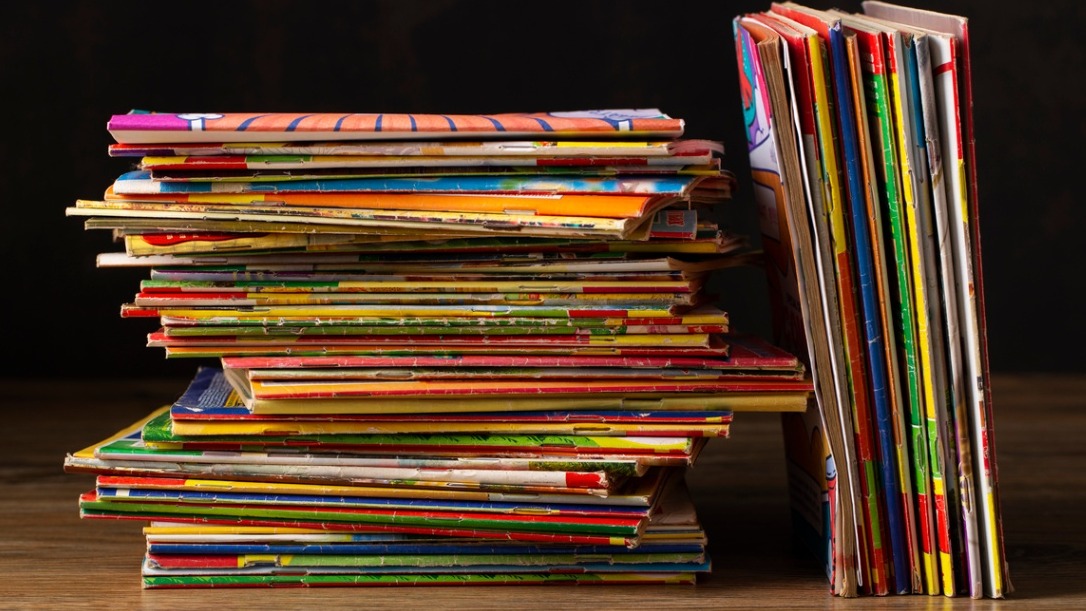
Collectibles Fulfillment
Definition
Collectibles fulfillment is a specialized logistics service that stores, handles, packages, and ships collectible items—such as trading cards, comics, limited-edition toys, and memorabilia—while preserving their condition and value. Providers focus on careful handling, custom protective packaging, inventory tracking, authentication, and insurance to prevent damage, loss, and fraud during storage and transit.
Overview
Purpose and overview
High-value collectibles such as graded comics and sealed action figures are vulnerable to corner crush, creasing, surface abrasion, moisture, and pressure deformation. ‘‘Damage‑proof’’ shipping is not about a single material but a systems approach: combine archival inner protection, precision cradling, moisture control, rigid outer protection, and appropriate labelling and handling to manage the mechanical, thermal and hygroscopic hazards encountered in the supply chain.
Core principles
- Layered protection: inner archival protection (sleeve/backing), rigid support, cushioning/cradling, and a robust outer shell.
- Minimize movement: fill voids so the item cannot shift; movement causes abrasion and impact damage.
- Control moisture and gases: moisture can soften adhesives, promote mold, and cause paper discoloration; oxygen and certain volatiles can accelerate degradation.
- Distribute and attenuate energy: use cushioning materials that absorb shocks and resist compression to protect against drops and compression forces.
Archival inner protection (specific to comics and sealed figures)
- Comics: place in an archival polypropylene or Mylar (polyester) sleeve with an acid‑free backing board. Use Mylar grade that is labeled acid‑free and PVC‑free. Ensure the board is full‑height and full‑width with no play inside the sleeve.
- Sealed action figures: keep the original blister card secured to prevent flexing. Place figure in a clear, acid‑free poly bag or wrap with a layer of non‑abrasive, acid‑free tissue to avoid paint scuffs.
Custom foam inserts and cradling
- Material selection: closed‑cell cross‑linked polyethylene (PE) foam is preferred for its low abrasion, moisture resistance and good shock attenuation. For delicate surface finishes, use a thin layer of closed‑cell polyurethane or a soft EVA face layer to reduce abrasion risk.
- Design: create a snug cradle that supports the object across its largest faces. For comics, a flat pad with recessed channel for the spine and corner pockets prevents edge impact. For figures, a cutout that supports the card back and prevents blister flex is ideal.
- Thickness: maintain at least 1.5–2.5 cm (approx. 0.6–1 in) of foam between the item and the inner box walls on all sides; thicker for heavier or more fragile pieces. Use multiple layers for graduated cushioning if needed.
- Machining: die‑cut or CNC‑cut foam inserts ensure repeatable, tight tolerances. If hand‑cutting, test fit and adjust to remove all play.
Double‑boxing technique (step‑by‑step)
- Inner package: place the sleeved/backed comic or figure in its foam cradle and then into a rigid inner box (e.g., corrugated mailer or small folding box). Seal the inner box securely.
- Clearance: choose an outer box that provides 3.8–5 cm (1.5–2 in) clearance on all sides around the inner box. This clearance is filled with foam or cushioning to create a protective air/foam buffer.
- Cushioning: fill voids with cross‑linked PE foam blocks, foam-in-place, or layered corrugated inserts. Avoid loose fill like loose paper for very high‑value items because it allows micro‑movement; if used, secure the inner box so it does not shift.
- Closure: seal the outer box with water‑activated (gummed) kraft tape for best seam strength, or high‑quality pressure‑sensitive filament tape for fast operations. Reinforce edges with corner protectors if the item is especially valuable.
Moisture‑barrier sealing and humidity control
- Barrier bags: for highest moisture protection, place the sleeved/backed comic or bagged figure inside a heat‑sealable metallized (aluminum) barrier bag or a high‑quality Mylar bag and heat seal or vacuum‑seal. For collectibles, heat sealing at low temperature with a narrow seal avoids thermal damage to plastics.
- Desiccants: include appropriately sized silica gel pouches. For small packages (single comic or figure), a 1–5 g silica gel pouch is typically sufficient; for larger multi‑item boxes, use multiple pouches totaling 10–30 g depending on volume and expected transit conditions. Use indicating desiccant (color change) to confirm activity.
- Humidity targets: aim for packaging internal RH below 50% to reduce mold and adhesive softening risks. For long‑term storage in humid climates, consider molecular sieve desiccants or oxygen‑absorbing systems for special cases.
Edge protection, anti‑crush, and rigidity
- Backing and edge guards: for comics, use rigid backing boards (acid‑free) plus external cardboard edge guards or foam corner protectors to prevent corner crush and spine roll.
- Outer box specification: for double‑boxing, a standard single‑wall corrugated outer box (ECT 32) is usually sufficient for light, high‑value items when combined with foam buffering; use double‑wall or higher burst strength if stacking or long‑haul transit is expected.
- Compression resistance: distribute load by placing the inner assembly centrally; avoid placing heavy items on top of collectible shipments during transport by using handling labels and selecting shipping services with better handling standards.
Labeling, handling, and carrier choices
- Labeling: use clear handling labels—‘‘Fragile,’’ ‘‘Do Not Bend,’’ and orientation arrows. Include a visible invoice and return address inside the outer box to aid recovery if external labels are damaged.
- Carriers and services: for high‑value items, choose premium carriers or courier services that offer signature on delivery, limited handling transfers, and optional insurance. For graded comics claiming Grade‑10 condition, consider white‑glove or specialized collectibles shippers that minimize handling steps.
- Tracking and insurance: always insure to declared value and obtain full tracking. Photograph the packaged item at every stage (sleeved, cradled, boxed, sealed) for claims support.
Common mistakes to avoid
- Relying only on bubble wrap: bubble wrap cushions but allows movement and can abrade delicate surfaces; combine it with rigid support and a cradle.
- Insufficient clearance or over‑tight packing: too little clearance results in impact transfer to the item; too tight and rigid objects may deform the collectible.
- Using non‑archival materials: PVC sleeves, acidic boards, or non‑archival tapes can cause long‑term damage even if short‑term cushioning is adequate.
- Neglecting moisture control: sealed plastics can trap humidity; desiccants and proper barrier seals prevent condensation and mold.
Real‑world example
For a factory‑sealed action figure in blister card: place in a non‑abrasive poly bag, position on a 1 cm polyethylene foam cradle that supports the card back, insert into a snug inner corrugated box, surround with 2 cm PE foam blocks so there is 1.5–2 in clearance to an outer corrugated box, include a 3–5 g silica gel pouch inside the inner cavity, seal the outer box with gummed kraft tape, label ‘‘Fragile—Do Not Bend,’’ insure and ship with signature required. This layered approach mitigates crush, puncture, moisture and transit shock risk and gives the best chance of maintaining Grade‑10 integrity.
Sources And Additional Reading (3)
- Protective Packaging for Electronic Products
“Protective Packaging for Electronic Products.” Sealed Air, https://prod.sealedair.com/solutions/protective/electronics.
- Packaging Testing Standards and Protocols
“Packaging Testing Standards and Protocols.” International Safe Transit Association, https://ista.org/.
- Single-Face Corrugated Protective Packaging
“Single-Face Corrugated Protective Packaging.” Pregis, https://www.pregis.com/us-solutions/by-product/specialty-products/single-face/.
More from this term
Looking for a 3PL?
Compare warehouses on Racklify and find the right logistics partner for your business.