
Beyond Compliance: The Power of Secondary Containment in Logistics
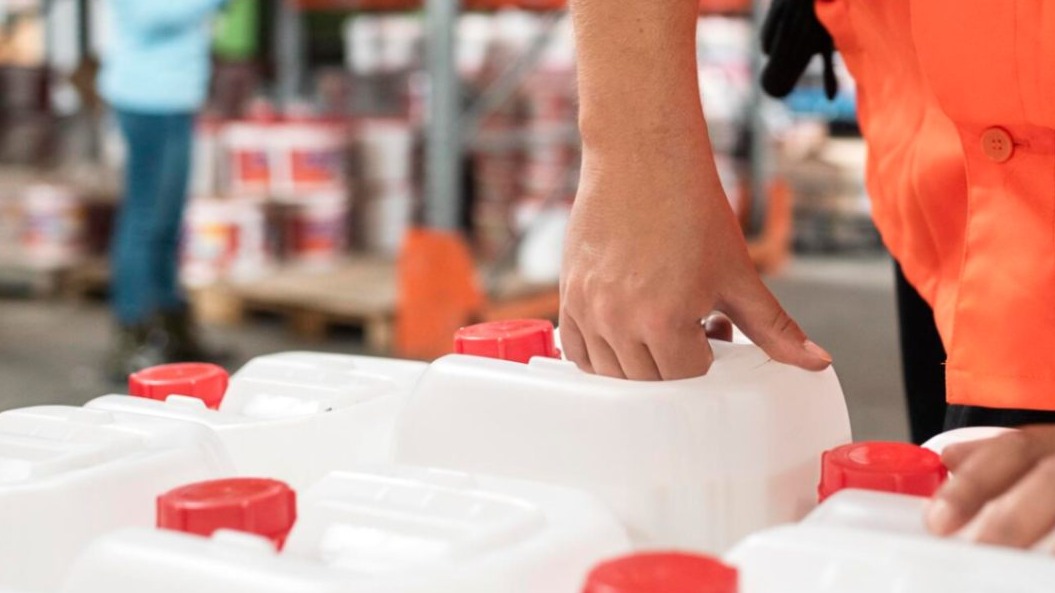
secondary containment
Definition
Secondary containment is a physical barrier or system designed to capture and hold leaks, spills, or releases from a primary container (such as tanks, drums, or piping) to prevent them from reaching the environment or facility drains. Examples include dikes, berms, double-walled tanks, spill pallets, and retention basins that allow safe recovery and cleanup while minimizing contamination and regulatory risk.
Overview
Secondary containment is a practical set of measures—structures, containers, coatings, and procedures—placed around primary storage or handling points to capture leaks, spills, or overflows before they spread. In logistics, where warehouses, yards, and transportation hubs store and move many types of liquids and hazardous materials, secondary containment reduces risks to people, property, and the environment while helping operators meet regulatory requirements.
At its simplest, secondary containment catches what the primary container fails to hold. Examples include a bund (a curbed area around drums), a spill pallet under a chemical tote, a double-walled tank, or a floor sump system with a pump and alarm. Secondary containment can be permanent (concrete bunds, curbed bays) or mobile (spill pallets, portable berms), passive (curbs, dikes) or active (sump pumps, sensor alarms). The choice depends on the material stored, the volume, the layout of the facility, and applicable regulations.
Why it matters
- Protection: Prevents product from migrating into drainage systems, soil, or waterways, limiting environmental contamination and cleanup costs.
- Safety: Reduces slip, fire, and exposure risks for workers by containing hazardous spills near the source.
- Regulatory compliance: Helps meet laws and guidance such as SPCC plans (U.S.), local environmental regulations, and industry best practices.
- Operational resilience: Minimizes downtime and reputational damage following an incident and can reduce insurance premiums over time.
Common types and components
- Bunds and curbed bays: Concrete or masonry enclosures built around tanks, racks, or loading areas to hold spilled liquid.
- Spill pallets and trays: Plastic or steel pallets with sumps that hold leaks from drums, IBCs, or small containers; often used in warehouses and retail backrooms.
- Double-walled tanks and IBCs: Secondary shell around the primary container provides containment if the inner vessel fails.
- Portable berms and containment booms: Deployable for temporary work sites, truck unloading, or outdoor storage during maintenance.
- Sump systems and pumps: Floor sumps with alarms and pumps that collect spilled liquid for safe removal or treatment.
- Special coatings and liners: Chemical-resistant floor coatings or geomembranes that prevent seepage into concrete or soil.
Design considerations (beginner-friendly)
Designing secondary containment begins with a simple risk assessment. Ask: what materials are stored, where are they located, how much can leak, and how would a spill travel? Key considerations:
- Capacity: A commonly used design guideline is to provide containment capacity at least equal to the largest single container’s volume (sometimes stated as 110% of the largest container) or a percentage of aggregate stored volume. Exact regulatory requirements vary by jurisdiction and material—always confirm local rules.
- Compatibility: Materials used in containment (linings, pallets) must resist the stored chemical. An acid requires a different liner than an oil.
- Drainage and treatment: Decide whether contained liquid will be recovered, pumped to a safe holding tank, or treated. Avoid designs that channel spilled liquid to public storm drains.
- Accessibility: Containment should allow routine operations—loading/unloading, inspections, and emergency response—without creating new hazards.
- Temperature and environmental conditions: Outdoor containment needs UV- and weather-resistant materials and considerations for precipitation.
Practical implementation steps
- Conduct a site risk assessment to identify storage locations, container types, and potential release scenarios.
- Prioritize high-risk areas (flammable liquids, corrosives, fuels, large-volume containers) and decide on permanent vs. temporary containment.
- Select containment types and materials compatible with your products and operations—spill pallets for drums, bunds for tanks, portable berms for transfers.
- Design capacity and layout to prevent spill migration to drains; include collection points and procedures for removal.
- Train staff on proper use, inspection, and emergency response; clearly label containment areas and provide response kits.
- Document procedures and inspection records as evidence of due diligence for auditors and regulators.
Best practices and operational tips
- Inspect containment weekly and after adverse weather or operations. Look for cracks, chemical degradation, or blockages in drains.
- Keep containment clear of debris and unnecessary materials; clutter reduces capacity and hampers response.
- Segregate incompatible substances (e.g., acids vs. bases, oxidizers vs. organics) to avoid dangerous reactions inside containment areas.
- Ensure visible labeling and training so staff know what to do when a spill occurs and how to use containment systems safely.
- Use sensors and alarms where practicable—especially for outdoor tanks or high-volume storage—to speed detection and response.
Common mistakes to avoid
- Under-sizing containment: Failing to provide adequate capacity is a frequent oversight—verify capacity rules and err on the side of extra volume.
- Using incompatible materials: A spill pallet that degrades when exposed to stored chemicals is worse than none.
- Ignoring transient risks: Spills most often occur during transfers, loading, or unloading—temporary containment or portable berms should be used for these activities.
- Poor maintenance and recordkeeping: A containment system is only as good as its upkeep and the staff who respond to incidents.
Regulatory and cost considerations
Regulations vary by country and material. In many jurisdictions, secondary containment is part of broader spill prevention and pollution control requirements. While there is an upfront cost for installation and maintenance, these measures typically deliver returns through reduced cleanup costs, lower insurance premiums, fewer regulatory fines, and preserved operational uptime. For high-risk materials (fuels, solvents, acids), the financial logic for robust containment is especially strong.
Real-world example
Imagine a mid-sized distribution center that stores lubricant drums and several IBCs of cleaning chemicals. Management installed spill pallets under all drums, a curbed concrete bund around the IBCs, and portable berms at the truck unloading area. A minor valve failure during transfer released several gallons—without containment, the spill would have entered the storm drain. With the bund and pallets in place, staff contained and recovered the liquid within minutes, preventing environmental release, avoiding costly cleanup, and maintaining normal operations. The incident validated the investment and highlighted the need for routine inspections that later identified a corroding floor drain cover.
Conclusion
Secondary containment is a straightforward, effective layer of protection for logistics operations. It moves organizations beyond mere regulatory compliance to practical risk management: protecting workers, the environment, and the bottom line. For beginners, start with a focused risk assessment, prioritize the highest-risk areas, choose compatible containment solutions, and establish a simple inspection and training program. Over time, proper containment becomes part of routine operations and a visible commitment to safety and sustainability.
Sources And Additional Reading (3)
- Bulk Storage Secondary Containment Requirements
“Bulk Storage Secondary Containment Requirements.” U.S. EPA, https://www.epa.gov/oil-spills-prevention-and-preparedness-regulations/what-are-specifications-bulk-storage-secondary.
- Warehousing - Hazards and Solutions
“Warehousing - Hazards and Solutions.” OSHA, https://www.osha.gov/warehousing/hazards-solutions.
- Hazard Communication Standard
“Hazard Communication Standard.” OSHA, https://www.osha.gov/laws-regs/regulations/standardnumber/1910/1910.1200.
More from this term
Looking for a 3PL?
Compare warehouses on Racklify and find the right logistics partner for your business.