
Bulk Liquid Shipping
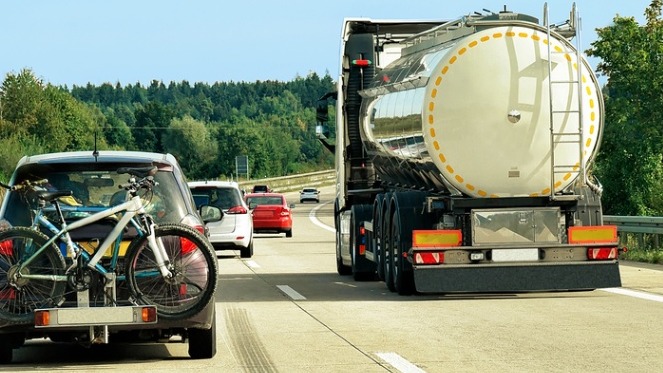
Bulk Liquid Shipping
Definition
Bulk liquid shipping is the movement of large volumes of liquids—such as crude oil, chemicals, edible oils, and liquefied gases—using specialized carriers like tankers, barges, or ISO tanks. It requires dedicated containment systems, loading and unloading equipment, and strict safety and regulatory controls to prevent spills, contamination, and hazards during transport.
Overview
Bulk Liquid Shipping covers the movement of liquids in large, dedicated tanks rather than in individual packaged containers. This mode of transportation includes road tankers (tractor-trailers with cylindrical tanks), rail tank cars, ISO tank containers for intermodal transfer, and the full-size tankers and barges used in maritime trade. Typical payloads include petroleum products, industrial chemicals, vegetable oils, liquid food products (e.g., milk, juice), and some bulk agricultural liquids.
At its core, bulk liquid logistics balances volumetric efficiency, safety, regulatory compliance, and the fluid dynamics that differentiate liquids from solids. Carriers and shippers choose tank-based shipment when the economics of handling, filling, and emptying large continuous volumes outweigh the advantages of packaged transport. Tank designs are tailored to product class, compatibility, temperature control needs, and the handling infrastructure at origin and destination.
Common vehicle and vessel types:
- Road tankers: insulated or non-insulated cylindrical trailers for short- to medium-haul delivery.
- Rail tank cars: high-capacity cars for long-haul inland transport of fuels and chemicals.
- ISO tank containers: standardized intermodal tanks for easy transfer between truck, rail, and ship.
- Coastal and ocean tankers: from small coastal tankers to large crude carriers and product tankers for maritime bulk movements.
Key operational considerations:
- Product compatibility: Tank materials (stainless steel, carbon steel, aluminum, or lined tanks) and seals must be compatible with the liquid to prevent contamination or corrosion.
- Temperature control: Some liquids require maintained temperatures (heated or refrigerated tanks) to preserve viscosity or prevent solidification.
- Filling and discharge systems: Pumping, gravity discharge, bottom outlets, and vapor recovery systems are selected based on product properties and environmental controls.
- Safety and environmental protection: Secondary containment, spill response planning, emergency vents, and overfill protection are standard requirements.
- Regulation and documentation: Hazardous liquids require manifesting, placarding, permits, and compliance with national and international transport standards (e.g., ADR, IMDG, DOT regulations).
Operational risk unique to bulk liquids is dominated by fluid movement inside the tank during vehicle maneuvers. Shifting liquid mass can produce so-called "sloshing" or kinetic surge, which affects vehicle stability, braking distances, and steering response. Controlling fill level, using internal baffles or compartments, and matching driving behavior to the payload are essential risk mitigation measures.
Economic and service advantages of bulk liquid shipping include lower handling costs per unit volume, reduced packaging waste, and faster throughput at terminals when appropriate unloading infrastructure exists. Conversely, disadvantages include higher risks in accidents (larger spills), more stringent regulatory oversight for hazardous materials, and specialized cleaning and changeover procedures when tanks carry different products.
Examples of real-world practice: petroleum distributors typically use compartmentalized road tankers so multiple grades can be carried without cross-contamination. Food-grade tank operators use stainless steel tanks with rigorous cleaning (CIP—clean in place) systems and traceability measures to meet sanitary regulations. Chemical shippers often employ lined or coated tanks and maintain material safety data sheets and specific emergency response plans for each product.
Best practices for shippers and carriers:
- Specify tank material and design to match product chemistry and temperature needs.
- Limit fill levels and manage ullage to allow thermal expansion and reduce dangerous surge effects.
- Use baffles, compartmentalization, and anti-surge devices engineered to the expected operating speed and road profiles.
- Maintain detailed cleaning and changeover procedures to avoid cross-contamination and protect product quality.
- Train drivers on handling behavior for liquid cargoes, including speed management, braking techniques, and emergency procedures.
- Document and comply with regulatory requirements for hazardous materials transport, and maintain up-to-date emergency response documentation.
In sum, bulk liquid shipping is a specialized branch of freight transport that demands integration of mechanical design, fluid dynamics awareness, regulatory compliance, and operational controls. When implemented correctly, it is an efficient way to move large liquid volumes; when neglected, it poses significant safety and environmental risks.
Sources And Additional Reading (3)
- Intermediate Bulk Containers
“Intermediate Bulk Containers.” Greif, https://www.greif.com/products/intermediate-bulk-containers/.
- Stainless Steel IBC Containers
“Stainless Steel IBC Containers.” THIELMANN, https://www.thielmann.com/industrial-containers/ibc-containers.
- Intermediate Bulk Containers
“Intermediate Bulk Containers.” Hoover CS, https://hooverscs.com/products/ibcs/.
More from this term
Looking for a 3PL?
Compare warehouses on Racklify and find the right logistics partner for your business.