
Business Case and Benefits of the "Live Drop" Fulfillment Model
The "Live Drop"
Definition
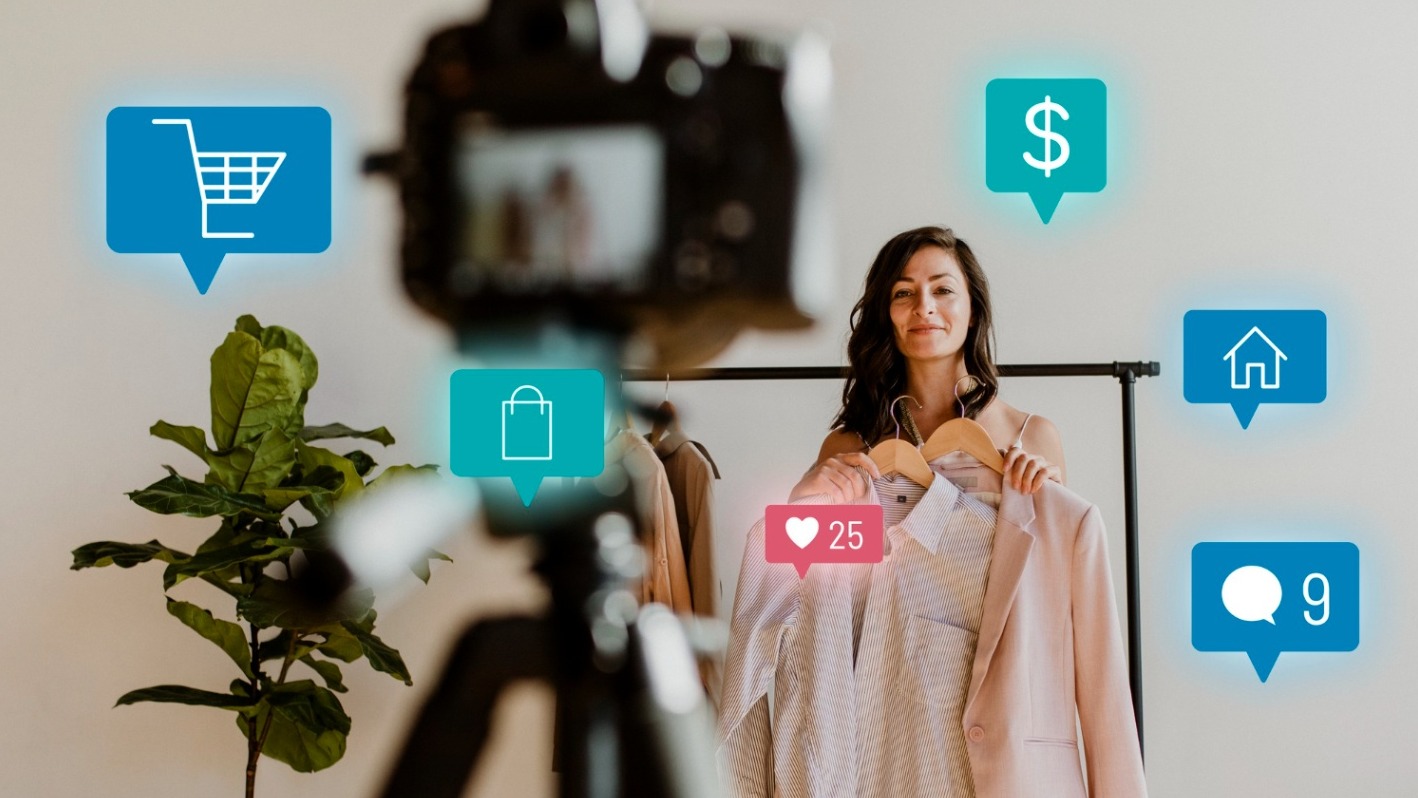
A Live Drop is a fulfillment process where, as a streamer pushes an item (for example during a live sale), order data is sent directly to label printers on the warehouse floor, bypassing the traditional picking stage. This streamlines fulfillment by automating label generation and packaging for pre-configured or drop-shipped items, reducing handling time and potential errors.
Overview
Business Case and Benefits of the "Live Drop" Fulfillment Model
The "Live Drop" concept — where, as the streamer pushes the item, the orders flow directly to the label printers on the floor, bypassing the picking phase entirely — is increasingly common in live commerce, event-driven sales and limited-run merchandise. This guide explains why businesses adopt the model, the value it delivers, and practical use cases where it makes financial and operational sense.
Core benefits
- Speed to customer: Removing the pick walk compresses the fulfillment timeline. When packages are pre-staged or pre-built, label application and QA are the only remaining steps, enabling same-day or sub-hour shipping for event-driven order spikes.
- Lower pick labor costs: Picking is labor-intensive and time-consuming. By bypassing picking, you convert pick labor into packing and verification labor, which is typically more efficient per order for standardized packs.
- Predictable throughput: Packed station throughput becomes repeatable because each unit operation (label, scan, seal) is standardized. This predictability simplifies staffing and forecasting for live events.
- Improved customer experience: Faster fulfillment and event-specific branding on labels enhance perceived value and can increase conversion in live commerce contexts.
Primary use cases
- Live commerce and stream-driven drops: Hosts showcase a product and push orders in real time; pre-staging the exact items eliminates pick delays.
- Event merchandise and pop-up sales: Concerts, conferences or product launches often sell a limited set of SKUs; these are ideal for pre-pack and label flows.
- Subscription and kit fulfillment: When the contents of a shipment are consistent (e.g., quarterly boxes), pre-building kits and printing labels on demand speeds dispatch.
- Promotions and flash sales: High-volume, short-duration promotions benefit from reduced movement and faster labeling.
Financial and operational ROI drivers
- Labor substitution: Reduced picking time translates directly into lower labor hours per order. Many operators find labor per order drops by 30–70% when pre-staging is feasible.
- Higher throughput without capital expansion: Because cycle times shrink, existing packing lines can handle more orders during peak windows, postponing investments in new conveyor or pick modules.
- Lower error rates for standardized SKUs: When products are pre-verified and pre-packed, the chance of picking the wrong SKU is greatly reduced, cutting return and customer-service costs.
Customer experience and marketing interplay
The live drop model creates a tight feedback loop between marketing and fulfilment. When a streamer announces an item, real-time shipping confirmation and stylized labels reinforce brand quality. Some companies print unique event codes or personalized messages on shipping labels for a stronger post-purchase experience. These touches can increase repeat purchase rates from live audiences.
When not to use "Live Drop"
- Highly fragmented SKUs: If your live events include a broad mix of items that cannot be standardized or pre-packed, the logistics complexity outweighs benefits.
- Unpredictable inventory: If stock counts are highly volatile or synchronized across multiple channels without reliable allocation, bypassing picking can increase the risk of oversells.
- Customization required at fulfillment: Orders requiring bespoke assembly, personalization, or custom packaging still need picking or assembly steps.
Example ROI scenario
A consumer electronics brand ran a timed drop for an accessory bundle during a streamed product reveal. Traditional pick-and-pack would have needed 12 pickers and five packers to meet projected volume. Using the "Live Drop" model, the company pre-built 2,000 bundles, deployed eight packers to label and QC them, and printed all shipping labels in real time. The company reduced labor costs for the event by approximately 55% and cut average ship time from 4 hours to 50 minutes. Customer satisfaction scores for the live drop increased, and the faster fulfillment led to a 12% uplift in orders during the next event.
Key metrics to evaluate success
- Cost per order during event vs. standard operations.
- Orders per labor hour during event peaks.
- Fulfillment lead time (label print to carrier handoff).
- Order accuracy and post-event return rates.
The "Live Drop" can be a powerful enabler for brands that run event-driven commerce, limited releases, or predictable kit-style fulfillment. When the model matches product characteristics and demand patterns, it accelerates delivery, reduces labor, and enhances the customer experience — but it requires careful planning, inventory discipline and event-ready operational playbooks.
Sources And Additional Reading (3)
- Product Drops: The Ultimate Guide to Strategy & Execution
“Product Drops: The Ultimate Guide to Strategy & Execution.” Shopify, https://www.shopify.com/blog/flash-sales-and-drops-for-retail.
- Limited Drops: Use Scarcity to Drive Sales
“Limited Drops: Use Scarcity to Drive Sales.” Shopify, https://www.shopify.com/blog/limited-drops.
- Product Drop Marketing: Strategy, Steps, and Examples
“Product Drop Marketing: Strategy, Steps, and Examples.” Shopify, https://www.shopify.com/enterprise/blog/how-to-create-hype-with-product-drops.
More from this term
Looking for a 3PL?
Compare warehouses on Racklify and find the right logistics partner for your business.