

Buy Online, Ship to Store (BOSS): Comprehensive Overview and How It Works
Buy Online, Ship to Store (BOSS)
Definition
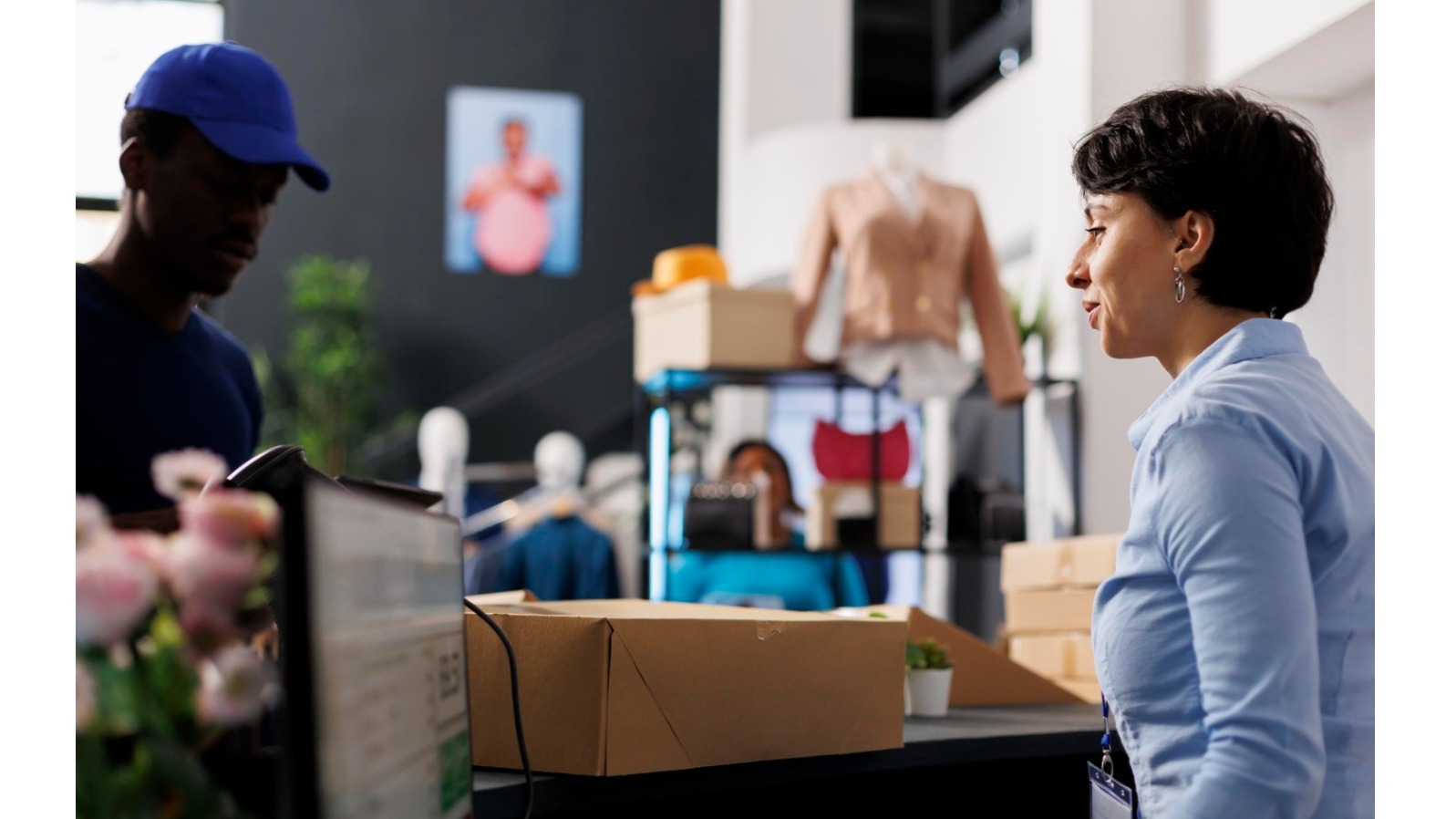
Buy Online, Ship to Store (BOSS) is a retail fulfillment model where customers order products online and the retailer ships those items to a nearby physical store for customer pickup or return. This omnichannel approach reduces home-delivery costs, shortens wait times, and leverages store inventory to improve convenience and fulfillment efficiency.
Overview
Buy Online, Ship to Store (BOSS): Comprehensive Overview and How It Works
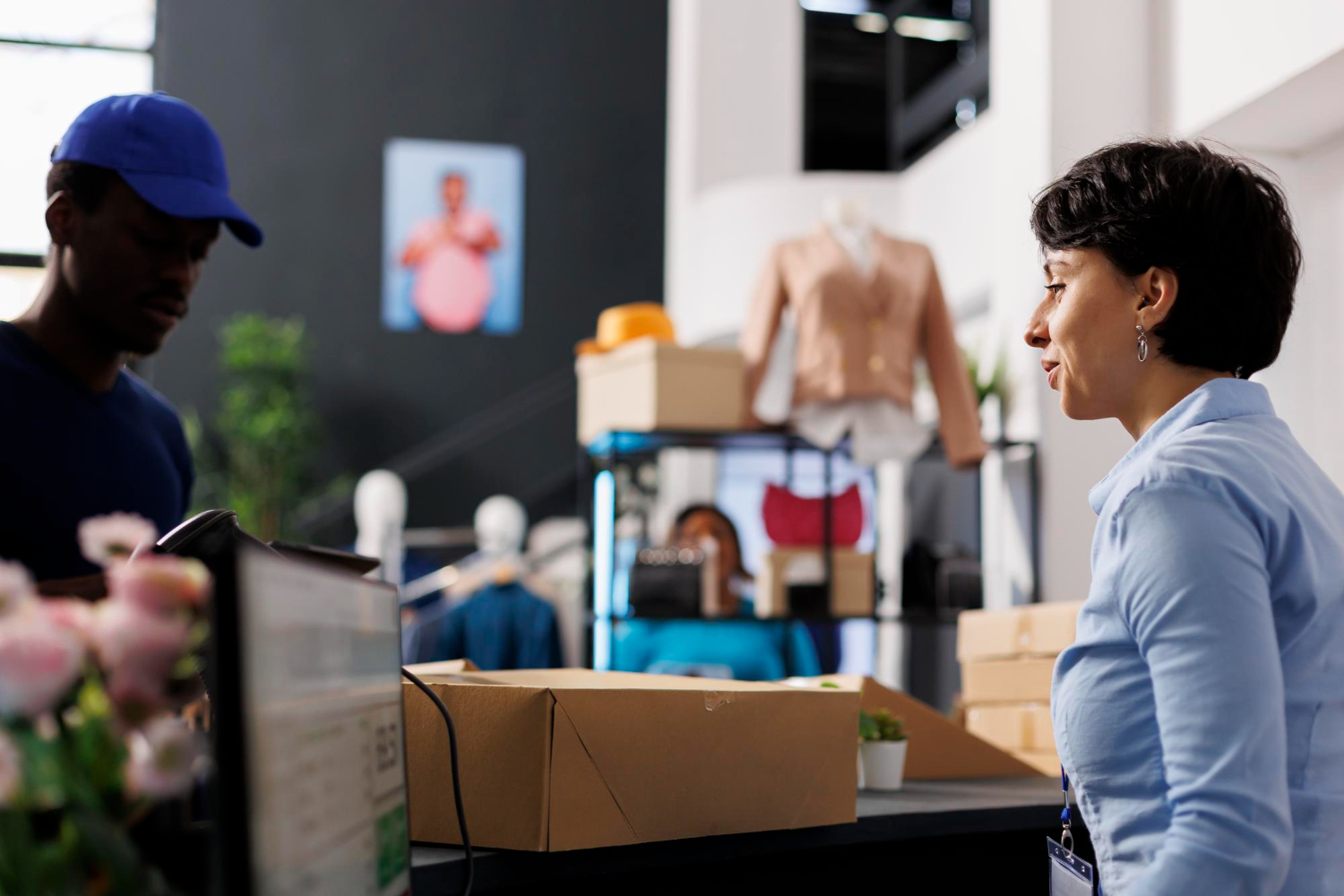
Buy Online, Ship to Store (BOSS) is a retail fulfillment model in which a customer purchases goods via an online channel and the retailer ships those goods to a store location for customer pickup. BOSS combines elements of e-commerce, store-based fulfillment, warehousing and last-mile logistics to create a convenient, flexible buying experience while helping retailers leverage store networks to reduce delivery costs and speed fulfillment.
The BOSS workflow typically follows several steps: order capture online, inventory allocation, picking and packing at a distribution center (DC) or alternate store, shipment to the selected store, store receiving and staging, customer notification, and final in-store pickup and verification. Each step requires coordination between the e-commerce platform, order management system (OMS), warehouse management system (WMS) and point-of-sale (POS) or store service systems to provide accurate inventory visibility and timely communications.
Key distinctions between BOSS and related models:
- BOSS vs BOPIS (Buy Online, Pick Up In Store): BOPIS assumes the item is already located at the pickup store at the time of purchase and is held for immediate customer pickup. BOSS deliberately ships the item to the store after an online order — useful when local stock is insufficient or when centralized fulfillment is preferable.
- BOSS vs Ship-to-Home: Ship-to-home delivers directly to a customer address. BOSS routes the parcel to a retail location, which reduces last-mile complexity and can improve security for high-value items.
Why retailers use BOSS
- Inventory leverage: Centralized DCs can fulfill low-turn or bulky SKUs more efficiently, while stores act as convenient pickup points.
- Cost reduction: Consolidating pick/pack operations at DCs and using store networks for pickup reduces last-mile shipping costs and failed-delivery rates.
- Improved customer experience: Shoppers gain flexible pickup options and the ability to inspect or exchange items in store, often increasing conversion and reducing return friction.
- Fulfillment resilience: Stores provide additional capacity and options during peak periods, supply disruptions or carrier delays.
Operational considerations and examples
Successful BOSS programs require precise inventory visibility. An OMS must know available-on-hand across DCs and stores, reserved stock, and in-transit inventory. For example, a retailer with limited store shelf space might choose to fulfill online orders from its central DC and ship to a store rather than trying to pre-position inventory across hundreds of locations.
Carriers and transportation mode choices matter:
BOSS shipments are often consolidated LTL or parcel shipments routed to a store distribution node. For oversized or heavy items, freight carriers or scheduled store deliveries may be necessary. Integration with a TMS allows routing rules that optimize cost, speed and store capacity.
In-store receiving and pickup processes must be clear:
Stores need a designated receiving area, a staging workflow for incoming BOSS parcels, clear pickup signage and defined identification checks for customers. Many retailers use barcode scanning to confirm chain-of-custody from DC to store to customer, reducing shrinkage risk.
Returns and exchanges are another advantage:
Items shipped to store for pickup are often easier to return immediately, improving customer satisfaction and lowering reverse logistics costs compared to return-by-mail.
Customer communication is critical. Retailers should provide confirmation at order creation, shipment notices when the item arrives at the store, pickup ready notifications, and clear pickup time windows. Automated channels include email, SMS and in-app messaging. Example: a national retailer might offer same-day pickup for items shipped to nearby stores, sending an SMS when the parcel is ready to pick up from the customer service desk.
Challenges and mitigation
- Inventory accuracy: Syncing systems and regular cycle counts help prevent stockouts and mistaken shipments.
- Store capacity: Predefined store quotas or routing rules prevent overloading small stores with inbound parcels during peak seasons.
- Customer expectations: Clearly defined pickup SLAs and real-time notifications manage expectations around delivery windows.
- Fraud prevention: Robust ID verification and secure pickup procedures reduce fraudulent pickups.
In Short
Buy Online, Ship to Store (BOSS) is an effective omnichannel tactic for retailers that want to combine centralized fulfillment efficiency with the convenience and service of physical stores. When supported by accurate inventory systems, integrated logistics and disciplined store operations, BOSS can lower costs, speed delivery and enhance the customer experience.
Sources And Additional Reading (3)
- Order Management
“Order Management.” Salesforce, https://www.salesforce.com/commerce/order-management/.
- Ship from Store
“Ship from Store.” Shopify, https://help.shopify.com/en/manual/sell-in-person/shopify-pos/order-management/ship-from-store.
- What Is BOPIS in Retail?
“What Is BOPIS in Retail?” IBM, https://www.ibm.com/think/topics/bopis-retail.
More from this term
Looking For A 3PL?
Compare warehouses on Racklify and find the right logistics partner for your business.
Processing Request