
CBP (Customs and Border Protection): Operational Impact on Warehousing and Transportation

CBP (Customs and Border Protection)
Definition
CBP is a U.S. federal agency that secures the nation’s borders while facilitating lawful international trade and travel. It inspects people and shipments, enforces customs, immigration, and agricultural laws, and collects duties to prevent smuggling and protect public safety.
Overview
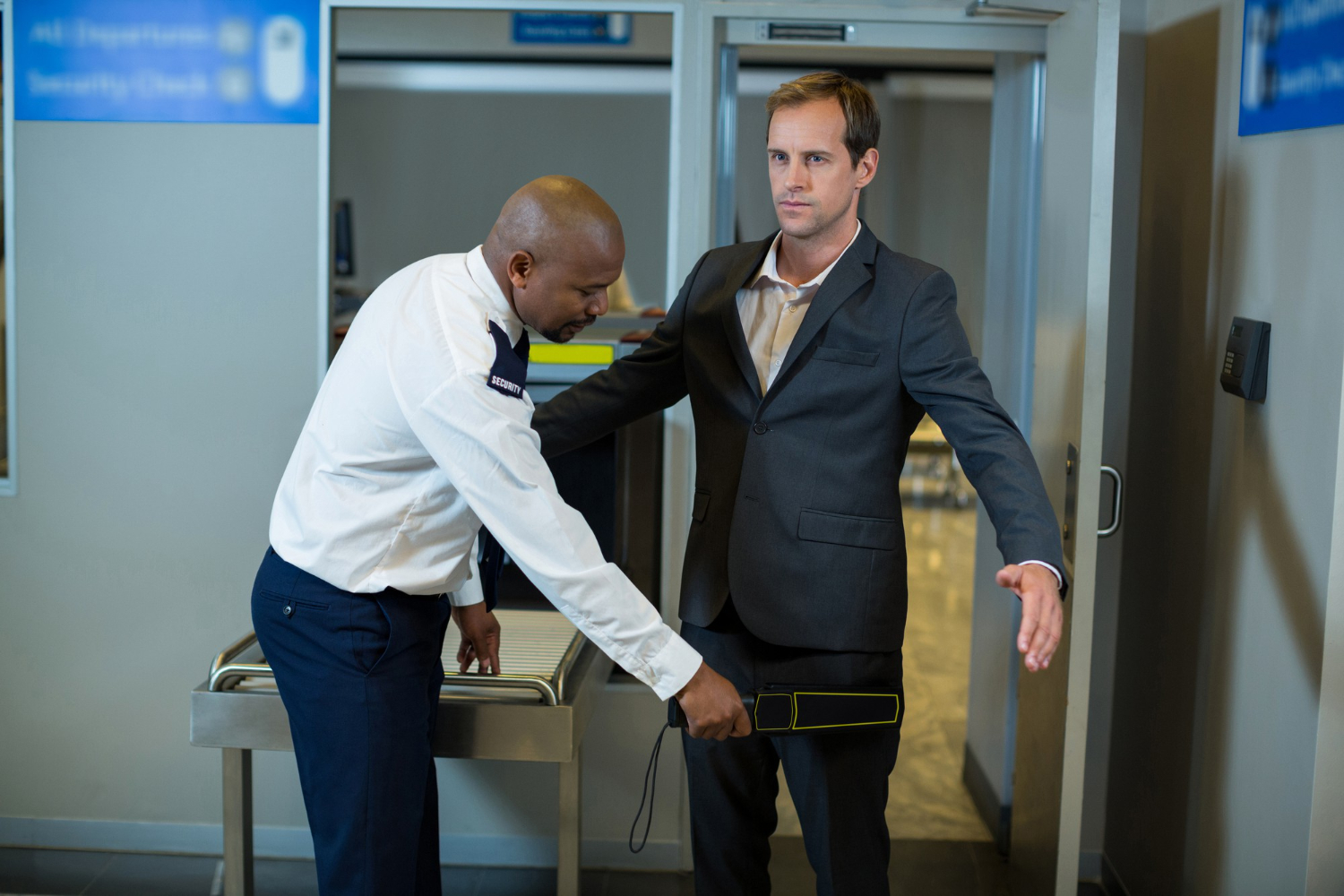
How CBP affects logistics operations
CBP s enforcement and facilitation activities shape how warehousing and transportation providers plan, staff, and operate. Inspections, holds, and documentation requirements create variability in arrival times, storage needs, and handling procedures. Logistics providers must design processes that anticipate CBP interactions while preserving throughput and customer service standards.
Bonded warehouses and foreign trade zones
CBP designates bonded warehouses and supports Foreign Trade Zones FTZs where duties are deferred or suspended. Bonded warehouses allow imported goods to be stored without immediate payment of duties; duties are due when goods are withdrawn for domestic consumption. FTZs permit additional processing or re-export without customs duties. Example: a manufacturer using an FTZ to receive imported components can assemble finished products and export them without incurring U.S. duties.
Inspections, holds, and cargo examination
CBP may select shipments for physical or documentary examination based on risk profiling. Inspections can require additional labor and space in warehouses for staging, sampling, or laboratory testing. Transportation providers may face cargo holds at port or inland checkpoints that require reevaluation of routing and scheduling. Effective planning includes contingency allocations for detention, demurrage, and rescheduling costs.
Documentation and electronic filing requirements
Carriers, freight forwarders, and customs brokers must submit accurate arrival and entry data to ACE and adhere to security filings such as ISF for ocean shipments. Inaccurate or late filings can cause cargo to be held at origin, delay release, or trigger penalties. Warehouse management systems should be configured to supply timely, validated data to brokers and filing systems to reduce inspection triggers.
Coordination with customs brokers and carriers
Close collaboration with licensed customs brokers streamlines the filing process and reduces delays. Brokers act as intermediaries with CBP and can advise on valuation, classification, and required permits. Carriers must provide clean bills of lading and accurate manifests; misaligned documentation between carrier and broker is a frequent cause of release delays. Example: a carrier s manifest containing incorrect container numbers can prevent ACE from matching arrival records to entries, delaying clearance.
Integration with WMS TMS and ERP
Seamless integration between warehouse management systems WMS, transportation management systems TMS, and enterprise resource planning ERP systems improves data accuracy for CBP filings. Automated transfer of purchase order, lot, and HTS information minimizes manual errors. Real time visibility into arrival windows and CBP release statuses enables logistics teams to allocate dock space and labor more effectively.
Risk management and compliance programs
Implementing a structured compliance program helps logistics providers reduce exposure to CBP enforcement. Components include restricted party screening, supplier vetting, product classification verification, and internal audits. Participation in trusted programs like CTPAT can reduce examination frequency and create preferred pathways for cross border movement.
Operational best practices
- Maintain a CBP ready documentation kit including invoices, packing lists, bills of lading, and permits accessible for audits and inspections.
- Allocate inspection and quarantine space within warehouses and establish SOPs for holding, sampling, and release processing.
- Synchronize carrier manifest submissions and broker entry filings to minimize mismatches in ACE.
- Train staff on CBP requirements and emergency protocols for detentions, seizures, or recalls.
- Leverage bonded storage and FTZ benefits where cash flow or duty deferral provides commercial advantage.
Common operational mistakes
Frequent errors include poor coordination between carrier and broker, failure to maintain accurate product master data, late ISF submissions, inadequate staging space for inspections, and insufficient documentation for preferential duty claims. These mistakes can generate demurrage, fines, and customer dissatisfaction. Addressing them requires cross functional processes, data governance, and investment in systems integration.
Case example
Consider a consumer electronics importer using a third party logistics provider. A misdeclared HTS code on the entry caused a CBP reclassification, triggering higher duties and a post entry audit. The LTL carrier also submitted incomplete container data, creating mismatches in ACE and delaying release. The importer faced demurrage charges while the logistics provider scrambled to locate documentation and refile. The solution involved implementing a structured product classification review, improving EDI connections between WMS and the customs broker, and enrolling in a trusted trader program to reduce future examination rates.
Conclusion
CBP interactions are a normal part of cross border logistics and require robust operational readiness. Warehouses, carriers, and transportation providers that invest in process controls, system integration, trained personnel, and proactive engagement with CBP and brokers improve reliability, minimize costs, and support seamless international trade.
Sources And Additional Reading (3)
- Importing into the United States
“Importing into the United States.” U.S. Customs and Border Protection, https://www.cbp.gov/sites/default/files/documents/Importing%20into%20the%20U.S.pdf.
- Basic Importing and Exporting
“Basic Importing and Exporting.” U.S. Customs and Border Protection, https://www.cbp.gov/trade/basic-import-export.
- How to Use the Automated Commercial Environment (ACE)
“How to Use the Automated Commercial Environment (ACE).” U.S. Customs and Border Protection, https://www.cbp.gov/trade/automated/how-to-use-ace.
More from this term
Looking for a 3PL?
Compare warehouses on Racklify and find the right logistics partner for your business.