
Challenges, Metrics, and Future Trends in Live-Commerce Fulfillment
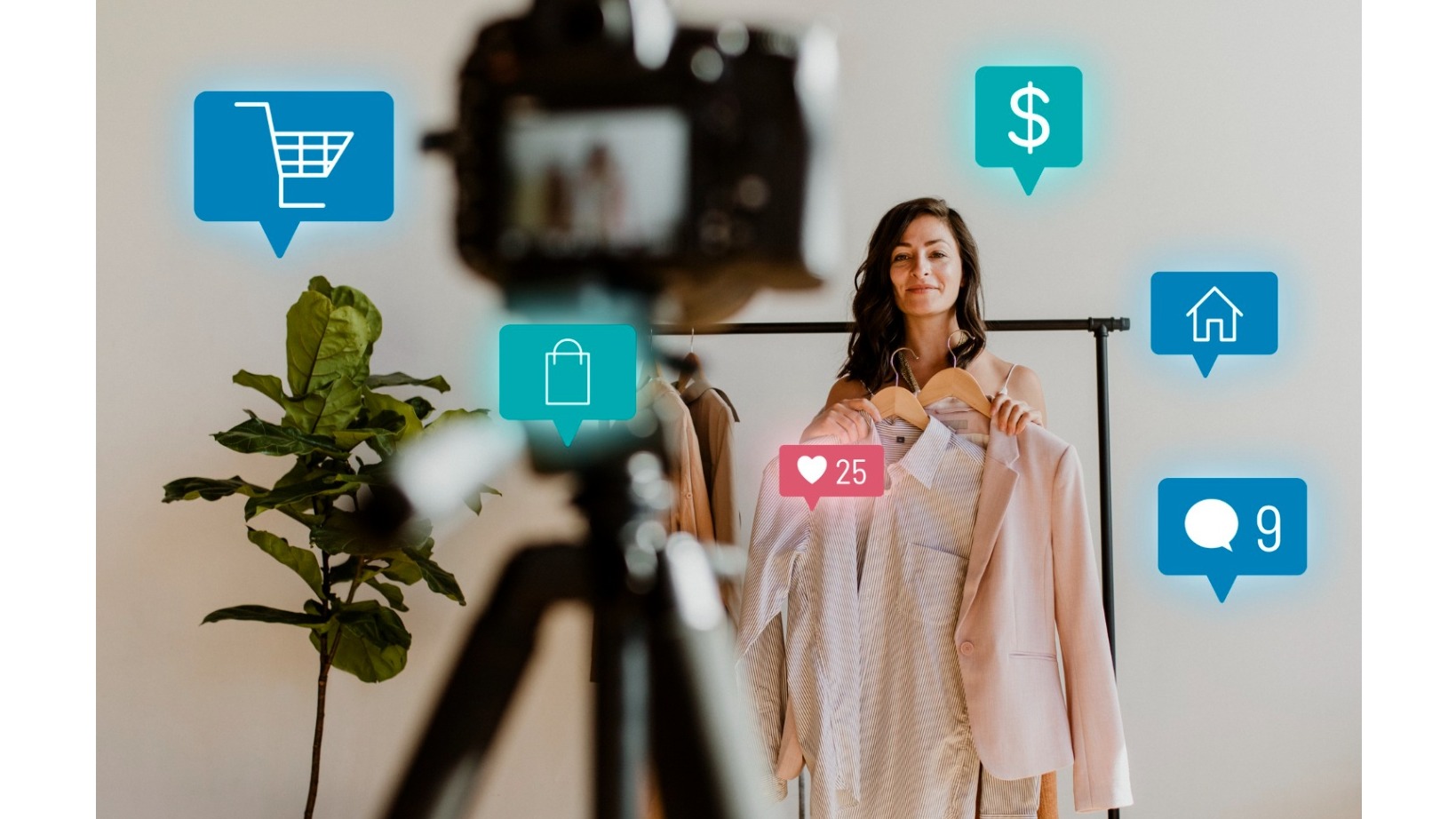
Live-Commerce Fulfillment
Definition
Live-commerce fulfillment is the end-to-end process of receiving, processing, packing, and delivering orders placed during live-stream shopping events. It combines real-time order capture, rapid inventory allocation, accelerated picking and packing, and expedited shipping to meet the high-volume, time-sensitive demand of live sales.
Overview

Challenges, Metrics, and Future Trends in Live-Commerce Fulfillment
Live-Commerce Fulfillment faces distinct challenges due to the tempo, promotional dynamics, and interactivity of live commerce channels. Understanding these challenges, tracking the right metrics, and investing in forward-looking technologies are essential for organizations seeking to scale live commerce profitably.
Primary operational challenges
- Surge volatility - Live events can create extremely concentrated order volumes in short timeframes, stressing picking, packing, and carrier capacity. Without pre-planned surge strategies, fulfillment centers risk delays and increased error rates.
- Inventory accuracy and oversell risk - Real-time stock accuracy is harder during events when multiple channels and nodes may be selling the same SKUs. Inventory synchronization failures often lead to oversells and cancelled orders.
- Complex promotional mechanics - Bundles, limited-time discounts, exclusive SKUs, and influencer codes introduce complexity in pricing, inventory allocation, and accounting reconciliation.
- Returns and reverse logistics - Certain categories promoted via live commerce, such as fashion or beauty, have higher returns. Handling returns efficiently without eroding margins is challenging, especially when returns are correlated with specific campaigns.
- Last-mile constraints - Rapid delivery expectations and surge volumes put pressure on carrier networks, especially in areas with limited local capacity or during peak periods.
- Cross-border and compliance issues - International live commerce introduces customs, duties, and regulatory compliance considerations that can complicate fulfillment timelines and cost structures.
Key metrics to monitor
Measurement in live-commerce fulfillment focuses on both speed and campaign-driven effectiveness.
Important KPIs include:
- Order lead time - Time from order placement to shipment; critical for customer experience in time-sensitive campaigns.
- Promotional fill rate - Percentage of promotional orders fulfilled without stockouts or substitutions.
- On-time-in-full (OTIF) - Particularly for promised same-day or next-day deliveries associated with live events.
- Pick accuracy - Errors during peak events can damage brand reputation and increase returns.
- Average order value (AOV) uplift - Live-commerce often increases AOV; tracking this helps justify marginal fulfillment costs.
- Cost per order - Including expedited handling, special packaging, and additional customer service costs unique to live events.
- Return rate by campaign - Identifies products or promotions that drive disproportionate reverse logistics costs.
Strategies to mitigate risks
- Flexible capacity agreements - Contract carriers and local couriers with the ability to scale quickly. Include dynamic pricing terms that balance cost and capacity.
- Inventory reservation and throttling - Implement reservation logic in the checkout flow and consider throttling purchase velocity when inventory nears depletion to prevent oversells.
- Pre-event simulation - Run stress tests on systems and mock pick waves to measure throughput and identify bottlenecks prior to live events.
- Segmented fulfillment - Route high-priority, high-margin, or time-sensitive orders to faster nodes while sending routine orders to standard fulfillment paths.
- Returns propensity modeling - Use historical data to anticipate return rates and provision reverse-logistics capacity accordingly.
Future trends shaping live-commerce fulfillment
- Micro-fulfillment and dark stores proliferation - Continued expansion of local fulfillment nodes will reduce delivery times and enable more competitive last-mile SLAs for live events.
- Automation and goods-to-person systems - As event frequency and order volume grow, automation will be used for repetitive tasks like sorting and packing, improving throughput and accuracy.
- AI-driven demand forecasting - Machine learning models will better predict live event demand using signals from hosts, prior campaign performance, social listening, and audience demographics to optimize inventory allocation.
- Real-time personalization and dynamic offers - Fulfillment systems will need to support dynamic bundling and personalized offers generated in-stream, including last-minute cross-sells and upsells that affect picking and packing.
- Seamless omnichannel returns - Integration across retail, online, and local pick-up points will make returns easier and cheaper, encouraging repeat purchases from live audiences.
- Sustainability and circularity - As consumers demand greener practices, live-commerce fulfillment will layer eco-friendly packaging, route optimization for lower emissions, and refurbished product channels for returns.
- Edge logistics and alternative last-mile methods - Drones, autonomous delivery vehicles, and crowd-sourced couriers may be used selectively for high-value, urgent live-commerce orders.
Illustrative example
Consider a cosmetics brand that hosts weekly live tutorials. Over time the brand adopts AI forecasting using host engagement metrics and social sentiment to predict demand for featured products. They establish two micro-fulfillment hubs in major metropolitan areas and a returns depot optimized for beauty SKUs. During live sessions, inventory is reserved instantly upon checkout, and pre-kitted bundles are staged to reduce packing latency. Post-event analysis shows reduced stockouts, lower cost per urgent order, and improved customer satisfaction scores.
Conclusion
Live-commerce fulfillment must balance the agility required by live events with the discipline of scalable logistics. Monitoring the right metrics, mitigating surge-related risks through planning and flexible partnerships, and adopting emerging technologies will determine which organizations capture and sustain growth from live commerce. The space will continue evolving rapidly, favoring operators who combine real-time systems integration with localized fulfillment and data-driven decision making.
Sources And Additional Reading (3)
- All Things LIVE Shopping
“All Things LIVE Shopping.” TikTok Shop Seller University, https://seller-us.tiktok.com/university/essay?knowledge_id=2799697140090667&lang=en.
- Guide to the Fulfillment Performance Page
“Guide to the Fulfillment Performance Page.” TikTok Shop Seller University, https://seller-us.tiktok.com/university/essay?knowledge_id=4666669226952464.
- Live Shopping: What It Is and Livestream Selling Steps
“Live Shopping: What It Is and Livestream Selling Steps.” Shopify, https://www.shopify.com/enterprise/blog/live-shopping.
More from this term
Looking for a 3PL?
Compare warehouses on Racklify and find the right logistics partner for your business.