
Common 3PL Mistakes and How to Avoid Them
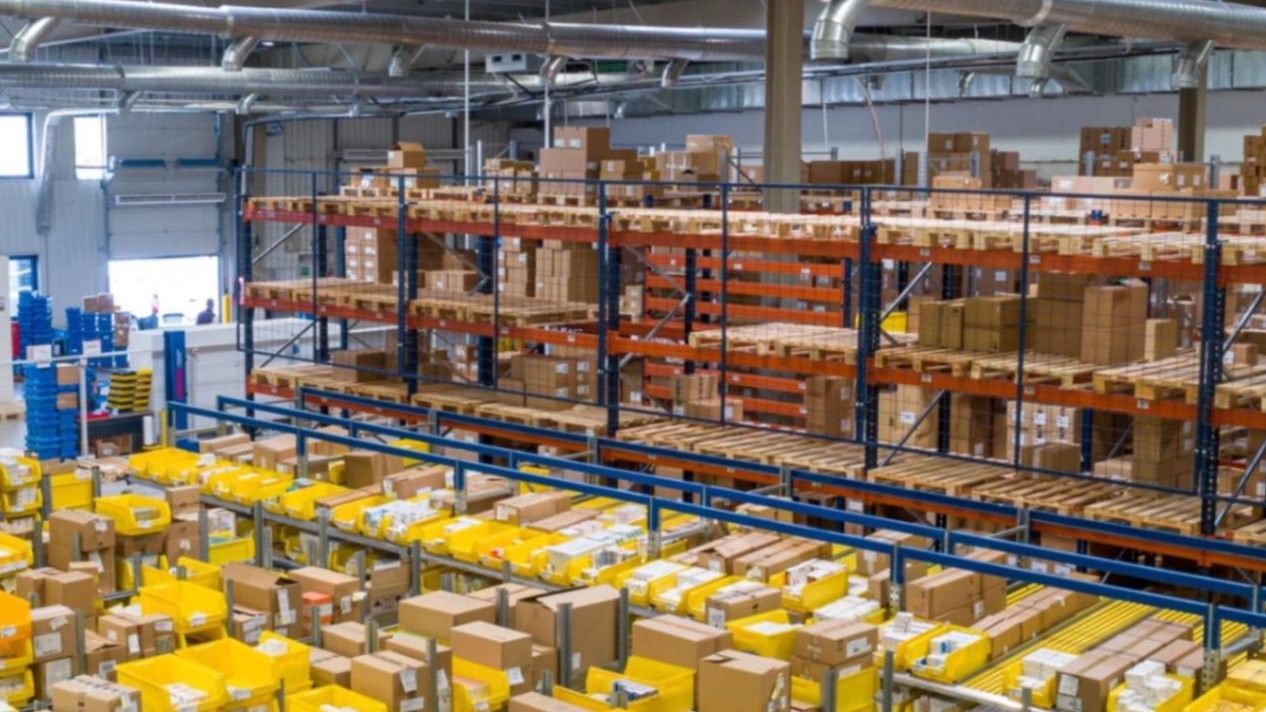
3PL
Definition
Third-Party Logistics: an external provider that manages outsourced logistics services such as warehousing, order fulfillment, picking/packing, shipping, and returns on behalf of a shipper or retailer.
Overview
Outsourcing logistics to a 3PL can yield major benefits, but pitfalls are common—especially for beginners. Knowing the typical mistakes lets you avoid costly disruptions. Below are frequent errors companies make when working with a 3PL and practical ways to prevent them.
Mistake 1: Choosing a 3PL based only on price
Why it’s a problem: The lowest bid may save money short-term but lead to missed deliveries, damaged goods, and poor customer experience.
How to avoid it: Evaluate service fit, technology, references, and experience in your industry. Consider total cost of ownership (including error rates, returns handling, and customer impact), not just line-item fees.
Mistake 2: Poor integration and lack of testing
Why it’s a problem: Bad data flows cause inventory mismatches, delayed shipments, and order processing breaks during peak times.
How to avoid it: Prioritize system integration—APIs, EDI, or secure file transfers—and run thorough pilot tests. Validate order flows, inventory sync, and exception handling before full launch.
Mistake 3: Vague or missing SLAs
Why it’s a problem: Without clear KPIs, it’s hard to hold the 3PL accountable or measure service quality.
How to avoid it: Define SLAs for order accuracy, on-time shipping, inventory accuracy, and response times. Build reporting cadence and remedies into the contract for SLA breaches.
Mistake 4: Not sharing forecasts and promotions early
Why it’s a problem: Surprises like promotional spikes or sudden rush orders can overwhelm a 3PL and lead to stockouts or late shipments.
How to avoid it: Communicate forecasts, marketing calendars, and promotional plans well in advance. If forecasts are uncertain, include flexible capacity terms in the contract.
Mistake 5: Ignoring cultural and process fit
Why it’s a problem: Misaligned processes or company cultures make collaboration difficult, slow problem resolution, and undermine continuous improvement.
How to avoid it: Evaluate how the 3PL manages operations, escalations, and continuous improvement. Look for cultural alignment—responsiveness, proactivity, and transparency.
Mistake 6: Overlooking returns and reverse logistics
Why it’s a problem: Returns can be costly and damage customer perception if processed slowly or inaccurately.
How to avoid it: Ensure the 3PL has a clear returns policy, fast processing flows, and transparent reporting on dispositions (resellable, refurbish, recycle).
Mistake 7: Poor governance and infrequent reviews
Why it’s a problem: Without regular check-ins, small issues compound into larger problems and opportunities for improvement are missed.
How to avoid it: Establish weekly operational calls, monthly KPI reviews, and quarterly strategic meetings. Use dashboards and exception alerts to monitor performance continuously.
Mistake 8: Not planning for contingencies and disruptions
Why it’s a problem: Natural disasters, carrier disruptions, or supplier delays can severely impact fulfillment.
How to avoid it: Discuss contingency plans with your 3PL (backup carriers, secondary warehouse options, and disaster recovery procedures). Include business continuity expectations in the contract.
Mistake 9: Failing to measure customer impact
Why it’s a problem: Operational metrics alone don’t reveal effects on customer satisfaction and retention.
How to avoid it: Track customer-centric metrics like delivery exception rates, Net Promoter Score (NPS), and return-to-purchase rates. Align logistics KPIs to customer experience goals.
Mistake 10: Locking into inflexible contracts
Why it’s a problem: Rapid business changes—new channels, product lines, or geographic expansion—can render rigid contracts costly and restrictive.
How to avoid it: Negotiate flexibility for scaling capacity, adding services, or modifying service levels. Define notice periods and conditions for expansion or contraction.
Final practical tip:
Start small with a pilot or limited SKU set, document everything, keep communication channels open, and treat the 3PL as a partner. Maintain clear KPIs, run continuous improvement initiatives, and review contracts regularly. Avoiding common mistakes makes 3PL relationships a reliable engine for growth and customer satisfaction.
Sources And Additional Reading (3)
- 3PL in Ecommerce: How to Choose the Right Partner
“3PL in Ecommerce: How to Choose the Right Partner.” Shopify, https://www.shopify.com/blog/3pl-ecommerce.
- Fulfillment Services: Types, Benefits, How to Choose
“Fulfillment Services: Types, Benefits, How to Choose.” Shopify, https://www.shopify.com/blog/fulfillment-services.
- Value-Added Services
“Value-Added Services.” Ryder, https://www.ryder.com/en-us/logistics/value-added-services.
Related Terms
More from this term
Looking for a 3PL?
Compare warehouses on Racklify and find the right logistics partner for your business.