
Common Configurations in 3PL Kitting
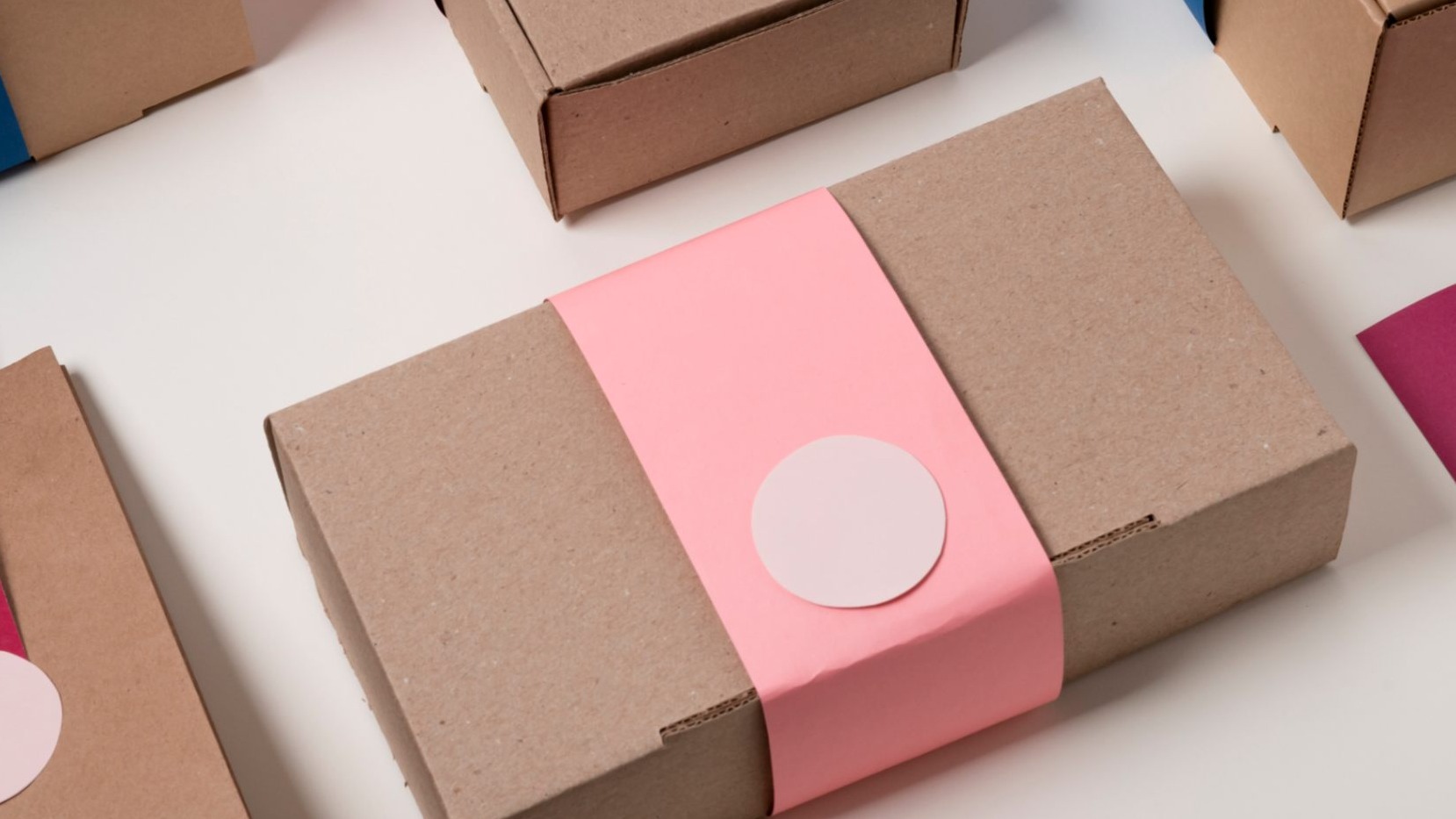
Rigid Box Packaging
Definition
Rigid box packaging is a premium, sturdy type of packaging made from thick, high-density paperboard that retains its shape without folding. It provides strong protection and an upscale presentation for items such as electronics, cosmetics, and jewelry, and can be customized with finishes, inserts, and closures.
Overview
Rigid box packaging describes a class of premium packaging constructed from high-caliper paperboard, chipboard, or composite substrates that deliver superior structural integrity and a high-end unboxing experience. These boxes are used where product protection, brand perception, and repeat usability matter — common examples include consumer electronics (e.g., smartphone presentation boxes), jewelry, cosmetics gift sets, and influencer or PR mailers.
Core characteristics
- Structure: Multi-piece architectures (lid & base, drawer, book-style) produced with thick boards that resist crushing and maintain shape during handling.
- Finish & branding: High-quality exterior finishes such as soft-touch lamination, foil stamping, embossing, and spot UV are common to reinforce brand perception.
- Internal components: Custom trays, partitions, foam inserts, and coated papers are often used to secure items within the rigid shell.
- Reusability: Designed for multiple uses; durable closures and magnetic elements increase perceived value and post-delivery retention.
Materials and manufacturing
Rigid boxes typically use board grades between 1.5–3.0 mm thick (or higher for specialty items), with options for coated papers, printed liners, and laminated exteriors. Production steps often include die-cutting the chipboard, gluing and wrapping, and adding decorative or functional hardware (ribbons, magnets, ribbons, metal insets).
Why brands choose rigid boxes
- Protection: High crush resistance for delicate or high-value goods.
- Unboxing experience: Enhances customer perception, increases social sharing and repeat purchases.
- Brand differentiation: Customization elevates perceived value more than standard folding cartons.
Implications for 3PL kitting and warehousing
Handling rigid boxes introduces specific operational considerations for third-party logistics providers (3PLs): storage density is lower due to bulkier volumes; picking ergonomics differ because boxes may be heavier; and kitting/assembly workflows often require manual dexterity and quality checks. Common operational impacts include:
- Storage footprint: Reserve pallet or shelf locations sized to prevent crushing and allow for staged assembly areas for final kit builds.
- Picking strategies: Use pick-to-light or batching for high-SKU kits; consider storing by kit family to reduce travel time.
- Assembly stations: Dedicated workbenches with jig fixtures, magnetic insertion tools, and soft surfaces to prevent cosmetic damage.
- Returns and refurb: Reuse-friendly design often leads to higher return rates for repacking; include inspection protocols to assess reusability.
Best practices (beginner-friendly)
- Document specifications: Maintain clear product profiles (dimensions, weight, closure type, magnet presence, fragility) in the WMS so handlers know handling instructions.
- Design for fulfilment: Collaborate early with packaging designers to ensure components are friendly to automated or semi-automated kitting processes; minimize excessively tight tolerances unless required for presentation.
- Dedicated SOPs: Create standard operating procedures covering assembly sequence, protective measures (gloves, lint-free surfaces), and quality acceptance criteria.
- Protective storage: Avoid stacking heavy loads on rigid boxes; store upright or flat per design to preserve closure engagement.
- Sustainability: Select recyclable liners and consider modular inserts to improve reusability and end-of-life recycling.
Common mistakes
- Underestimating storage volume and stacking limitations, resulting in crushed or misshapen boxes.
- Failing to capture closure hardware (magnets, ribbons) in inventory tracking, causing kit shortages at assembly.
- Designing rigid boxes with excessively tight fits that complicate assembly and increase damage during kitting; the 2026 trend favors measured release fits to balance feel and practicality.
Metrics and quality control
Track key performance indicators such as kit build yield, damage rate per thousand units, average assembly time, and returns for packaging damage. Implement routine QC checkpoints (pre-assembly, post-assembly, pre-shipment) and photographic evidence for premium kits.
Practical example
A beauty brand shipping influencer kits might choose a book-style rigid box with foam inserts and magnetic closure. A 3PL handling these kits will dedicate a small assembly line: foam die-cut insertion, product placement, ribbon positioning, closure verification, and final labeling — recording a photo for each completed kit. This workflow safeguards presentation and reduces disputes on arrival.
Conclusion
Rigid box packaging delivers premium protection and brand experience but requires purposeful design, clear operational procedures, and appropriate storage strategies when handled by 3PLs. With documented specs, assembly-friendly designs, and robust QC, rigid boxes can elevate product perception while remaining operationally manageable.
Sources And Additional Reading (3)
- 3PL in Ecommerce: How to Choose the Right Partner
“3PL in Ecommerce: How to Choose the Right Partner.” Shopify, https://www.shopify.com/blog/3pl-ecommerce.
- Fulfillment Services: Types, Benefits, How to Choose
“Fulfillment Services: Types, Benefits, How to Choose.” Shopify, https://www.shopify.com/blog/fulfillment-services.
- Value-Added Services
“Value-Added Services.” Ryder, https://www.ryder.com/en-us/logistics/value-added-services.
More from this term
Looking for a 3PL?
Compare warehouses on Racklify and find the right logistics partner for your business.