
Common IMDG code Mistakes and Best Practices for Sea Freight
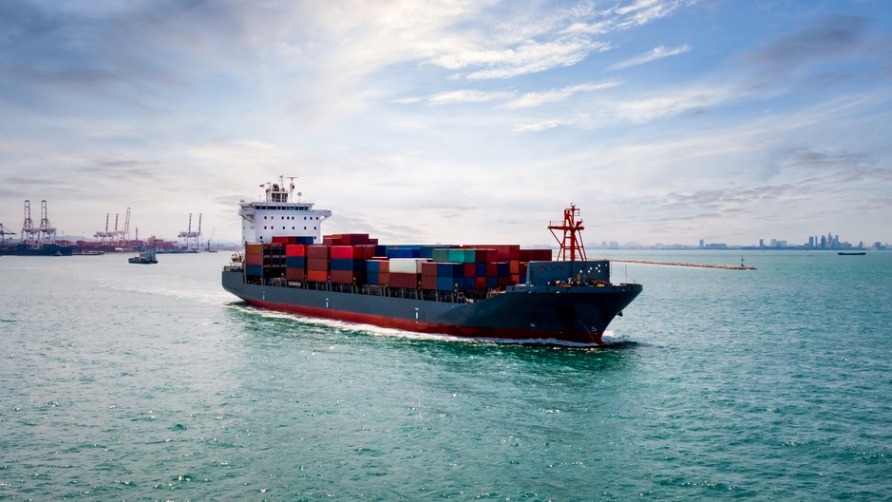
IMDG code
Definition
The IMDG Code (International Maritime Dangerous Goods Code) is an international set of rules published by the International Maritime Organization that governs the safe transport of hazardous materials by sea. It specifies classification, packaging, labeling, documentation, stowage, segregation, and emergency procedures to reduce risks to ships, crews, property, and the environment.
Overview
Even experienced teams can trip over the details of the IMDG code. Shipping dangerous goods by sea involves many technical checks and communication steps. This entry highlights the most common mistakes beginners make, explains the consequences, and offers practical best practices to keep your dangerous-goods shipments safe and compliant.
Common mistakes
- Incorrect classification — Using the wrong class or UN number is a frequent and serious error. Misclassification leads to wrong packaging, incorrect labeling and dangerous stowage decisions.
- Poor packaging selection — Using non-UN-approved packaging, or failing to test packaging combinations, can result in leaks, spills or rejections at the terminal.
- Incomplete or inaccurate documentation — Missing shipper’s declarations, wrong quantities, absent EmS codes or incorrect emergency contacts cause delays, fines, or refusal to load.
- Improper labeling and marking — Wrong or missing hazard labels, faded marks or inconsistent wording make it hard for handlers to identify risks quickly.
- Ignoring segregation and stowage — Stowing incompatible materials together (e.g., acids and oxidizers) can lead to violent reactions in case of leakage.
- Insufficient training — Staff who prepare or check shipments without proper IMDG training increase the likelihood of mistakes.
- Not keeping up with amendments — Using an outdated edition of the IMDG Code can result in non-compliance with mandatory changes.
- Misdeclaring lithium batteries — Lithium batteries have nuanced rules and special provisions. Under-declaring them is a common cause of container fires and heavy penalties.
Why these mistakes matter
Consequences range from rejected cargo and shipping delays to fines, environmental damage and safety incidents onboard. In the worst cases, fires, explosions or toxic releases can threaten life at sea and cause major financial losses. Regulators and carriers take IMDG non-compliance seriously.
Best practices to avoid errors
- Train your team regularly — Ensure personnel who classify, pack, mark and document dangerous goods receive formal IMDG training and refresher courses. Maintain training records.
- Use checklists — Implement standard checklists for each dangerous-goods consignment: classification check, packaging approval, labeling, shipper’s declaration, and stowage instructions.
- Cross-check SDS and IMDG tables — Always verify information in the Safety Data Sheet against IMDG tables and UN listings. Resolve inconsistencies before packing.
- Choose certified packaging — Use UN-approved packaging and ensure inner/outer packaging combinations are tested and certified for the material and packing group.
- Document thoroughly and accurately — Complete the shipper’s declaration with exact quantities, UN numbers, packing groups and emergency contact details. Keep copies and include documentation with the cargo.
- Pre-inspect container loads — Before handover to the carrier, inspect labels, markings and seals. Photograph packaging and documents as proof of compliance.
- Coordinate stowage with the carrier — Communicate segregation requirements clearly and confirm how the carrier will stow the goods on board. Use the EmS and stowage codes from the IMDG Code.
- Pay special attention to lithium batteries — Follow lithium battery provisions exactly: correct classification, state of charge limits, packaging and labeling. Many carriers and ports have extra restrictions.
- Stay current with IMDG amendments — Subscribe to updates from the IMO, your national regulator or an industry association so you can apply mandatory changes on schedule.
Practical checklist for every shipment
- Classification confirmed and UN number assigned
- UN-approved packaging with correct inner/outer combinations
- Correct hazard labels, UN marks and handling marks applied
- Shipper’s Declaration completed with EmS code and emergency info
- Segregation/stowage instructions documented and communicated
- Training records up to date for staff involved
- Photographic evidence and copies of documents retained
Real example: the lithium battery challenge
Lithium batteries are particularly risky because a single thermal runaway can ignite other cargo. After several high-profile incidents, many carriers now limit or prohibit certain lithium battery shipments. Best practice: always apply the specific IMDG lithium provisions, declare fully, and confirm acceptance with the carrier in advance.
Final thought
Following IMDG code best practices reduces risk and smooths operations. Treat IMDG compliance as a process—trained people, robust packaging, accurate documentation, and clear communication with carriers combine to keep your sea freight safe and reliable. When in doubt, consult a dangerous-goods specialist; small upfront investments in compliance prevent major downstream costs and incidents.
Sources And Additional Reading (3)
- IMDG Code
“IMDG Code.” International Maritime Organization, https://www.imo.org/en/publications/pages/imdg%20code.aspx.
- The International Maritime Dangerous Goods (IMDG) Code
“The International Maritime Dangerous Goods (IMDG) Code.” International Maritime Organization, https://www.imo.org/en/ourwork/safety/pages/dangerousgoods-default.aspx.
- Hazmat Transportation Requirements
“Hazmat Transportation Requirements.” PHMSA, https://www.phmsa.dot.gov/training/hazmat/hazmat-transportation-requirements-pdf.
More from this term
Looking for a 3PL?
Compare warehouses on Racklify and find the right logistics partner for your business.