
Common Mistakes and a Beginner Checklist for Flammable Storage
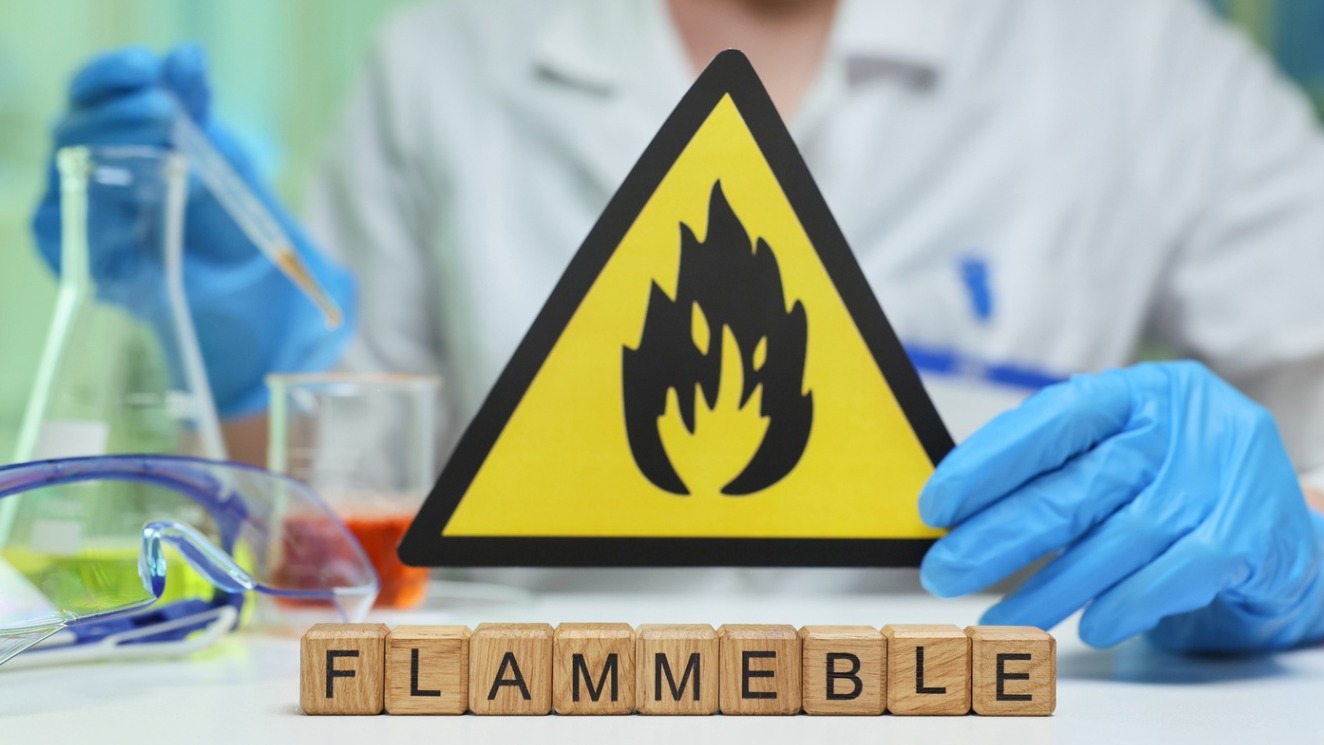
flammable storage
Definition
Flammable storage is the specialized warehousing and handling of flammable or combustible materials by a third‑party logistics provider on behalf of clients. It requires segregated, fire‑rated storage areas, approved containers and shelving, trained staff, fire suppression and ventilation systems, and adherence to regulatory permits and safety standards to minimize risk during storage and distribution.
Overview
Introduction
For beginners, setting up flammable storage can feel overwhelming. Common mistakes are often small, avoidable issues that create large risks. This entry highlights frequent errors and provides a practical checklist you can use today to make flammable storage safer and more compliant.
Frequent mistakes to watch for
- Using non-approved containers: Storing solvents in food cans, cardboard boxes, or unmarked bottles is risky. Approved safety cans and certified drums contain vapors and reduce spill risk.
- Overstocking supplies: Keeping bulk quantities 'just in case' exceeds cabinet ratings and can violate local codes. Excess stock raises fire severity and complicates evacuation.
- Poor segregation: Storing flammables next to oxidizers, acids, or heat sources often leads to dangerous reactions or intensified fires.
- No secondary containment: A single leaking drum can spread product across a floor. Secondary containment like spill pallets prevents spread and simplifies cleanup.
- Ignoring ventilation and grounding: Vapors trapped in closed spaces can reach explosive concentrations. Static buildup during transfers creates ignition risks if not bonded and grounded.
- Lack of training and documentation: Even with good equipment, untrained staff may bypass safety procedures, increasing risk. Missing SDS or inspection logs make audits and incident investigations difficult.
Beginner checklist for setting up safe flammable storage
Use this checklist as a starting point. Tailor steps to your local code and the specific materials you handle.
1. Inventory and information
- Compile a list of all flammable materials on site.
- Obtain the Safety Data Sheet (SDS) for each item and record flash points and incompatibilities.
2. Quantity and location planning
- Decide how much volume you actually need nearby for daily operations; plan bulk storage separately.
- Choose storage locations away from ignition sources, high-traffic areas, and exits.
3. Containers and cabinets
- Purchase approved safety cans and flammable storage cabinets sized to your needs.
- Inspect containers on delivery for dents, corrosion, or damaged seals.
4. Segregation and labeling
- Use compatibility charts and SDS guidance to separate incompatible chemicals.
- Label cabinets and shelves clearly with hazard class and product names.
5. Ventilation and grounding
- Ensure cabinets and rooms meet ventilation requirements; consider mechanical ventilation for larger spaces.
- Install bonding and grounding for transfer operations involving low flash point liquids or where static buildup is possible.
6. Spill control and PPE
- Place spill kits near storage and train staff on their use.
- Provide appropriate personal protective equipment (PPE) such as gloves, goggles, and flame-resistant aprons if required.
7. Fire protection and emergency planning
- Install fire extinguishers rated for flammable-liquid fires and mark escape routes clearly.
- Develop an emergency response plan and hold regular drills with your team.
8. Inspections and records
- Create a regular inspection schedule for cabinets, containers, ventilation, and detection systems.
- Keep documented logs of inspections, repairs, and inventory movements.
9. Training and SOPs
- Provide initial and refresher training on storage rules, safe transfer techniques, and emergency response.
- Write short SOPs for daily tasks and place them near work areas for quick reference.
10. Work with authorities and vendors
- Consult your local fire marshal or AHJ early when planning changes or new storage areas.
- Buy compliant cabinets and containers from reputable vendors and verify their certifications.
Real-world example of a fix
A small lab kept several solvent bottles on open shelves. After a minor spill, management replaced the shelf storage with a single flammable storage cabinet, introduced a weekly inspection log, and provided short training to staff. The simple fixes immediately reduced spills and improved staff confidence.
Closing tips
Start with small, high-impact changes: swap open containers for safety cans, label clearly, and limit quantities to what you need. Over time, add formal inspections, SOPs, and training to build a strong safety culture. Flammable storage doesn’t need to be complicated—consistent, practical steps make workplaces safer for everyone.
Sources And Additional Reading (3)
- Flammable Liquids Standard
“Flammable Liquids Standard.” OSHA, https://www.osha.gov/laws-regs/regulations/standardnumber/1910/1910.106.
- NFPA 30: Flammable and Combustible Liquids Code
“NFPA 30: Flammable and Combustible Liquids Code.” NFPA, https://www.nfpa.org/codes-and-standards/nfpa-30-standard-development/30.
- Hazardous Materials Storage
“Hazardous Materials Storage.” PHMSA, https://www.phmsa.dot.gov/standards-rulemaking/hazmat/hazardous-materials-regulations.
More from this term
Looking for a 3PL?
Compare warehouses on Racklify and find the right logistics partner for your business.