
Cosmetics Fulfillment Costs: What Brands Should Budget For
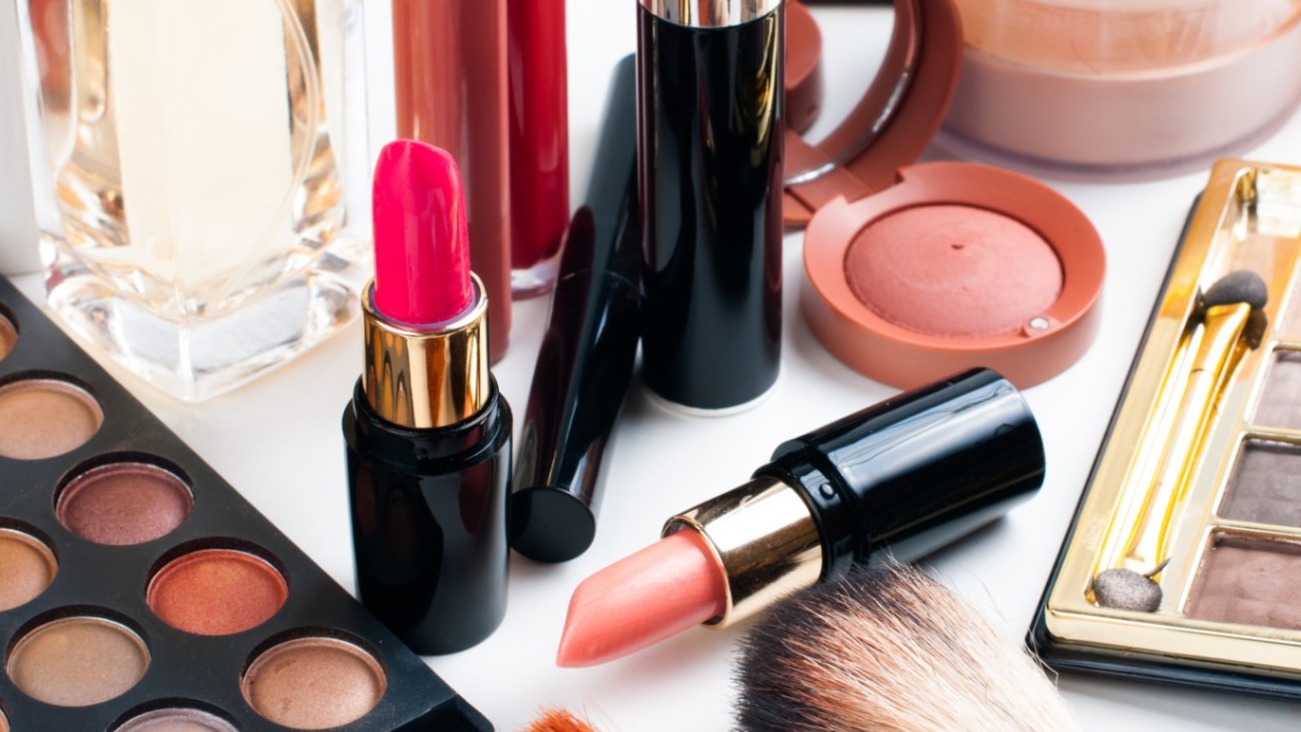
Cosmetics Fulfillment
Definition
Cosmetics fulfillment is the end-to-end process of storing, picking, packing, and shipping beauty and personal-care products to retailers or consumers. It includes specialized handling for fragile or temperature-sensitive items, inventory and expiry tracking, labeling, returns processing, and compliance with cosmetics safety and regulatory requirements.
Overview
Cosmetics Fulfillment Storage, handling, packing, shipping, and returns services for cosmetic products such as makeup, skincare, tools, and beauty accessories.
Costs for Cosmetics Fulfillment combine routine warehousing charges with line-item fees related to product sensitivity, packaging needs, and return handling. Cosmetic SKUs vary widely — from single-use samples to temperature-sensitive serums and aerosol sprays — and each characteristic changes the price picture. Understanding typical cost drivers helps brands set pricing, choose service levels, and negotiate with 3PLs.
What The Cost Typically Covers
Fulfillment pricing is modular. A typical invoice will include storage, receiving, pick-and-pack, shipping, and returns handling. Specialty charges appear when products require additional handling (temperature control, hazardous-material declarations), value-added services (kitting, labeling), or custom packaging. Below are the primary line items to expect:
- Storage: Monthly or daily fees per pallet, bin, or cubic foot depending on your SKU profile and whether you use ambient or climate-controlled space.
- Receiving: Unloading, inspection, putaway and SKU setup; often charged per pallet, per piece, or per hour.
- Pick & Pack: Per-order and per-item fees that scale with order complexity and pieces per order.
- Packaging Materials:
- Shipping:
- Returns Handling: Reverse logistics fees for inspection, quarantine, restocking, or disposal.
- Value-Added Services: Kitting, gift-wrapping, sample inserts, labeling, or batch-coding requested by the brand.
Why Cosmetics Costs Differ From Other Categories
Cosmetics bring unique cost multipliers. Temperature-sensitive creams require chilled storage and segregated cold-chain流程s. Liquids and oils need secondary containment to prevent leaks. Luxury items often require secure storage and premium packaging to protect brand image. Aerosol products or alcohol-based toners may be treated as hazardous or restricted by air carriers, adding paperwork and carrier surcharges.
How Cost Models Vary
Warehouses price differently depending on scale and specialization. Common models include per-SKU storage (cubic feet or pallet positions), per-order pick/pack fees, and monthly minimums. Fulfillment providers that specialize in beauty may charge higher base rates but fewer exceptions because they already include sanitary handling, batch tracking, and cosmetic-friendly packaging materials.
- Per-Order Pricing: Predictable when order volume is stable; good for DTC brands with consistent basket sizes.
- Per-Item Fees: Useful when orders vary in SKU count but can inflate costs for multi-SKU beauty boxes.
- Tiered Storage: Discounts kick in at higher volumes; smaller brands often face higher per-unit storage until they scale.
Who Typically Pays Each Fee
Brands pay most fulfillment charges, either directly to a 3PL or indirectly when the fulfillment cost is built into retail pricing. For marketplace sellers, platforms may collect shipping and storage fees; brands should still reconcile platform fees with direct 3PL invoices. Carriers charge shipping to whoever is listed as the shipper — usually the merchant — but 3PLs commonly invoice shipping as a pass-through.
Practical Example: Monthly Cost For A Small Beauty Brand
A small DTC brand with 500 SKUs, 2,000 orders/month averaging 2 items per order might see these monthly charges: storage $1,200 (cubic feet), receiving $300, pick-and-pack $4,000 ($2/order + per-item), packaging materials $600, shipping pass-through $7,000, returns handling $400. Total: roughly $13,500/month. Add cold storage or hazardous handling and expect a 10–40% uplift.
Cost Reduction Strategies
Brands can manage fulfillment costs without sacrificing quality by optimizing SKU selection, negotiating minimums, and using consolidated box sizes. Consider these practical tactics:
- Inventory Rationalization: Cut slow-moving SKUs to reduce long-term storage fees and improve turnover.
- Packaging Standardization: Reduce dimensional-weight shipping fees by using a limited set of box sizes and right-sized cushioning.
- Batch Shipping: Use carrier pickup consolidations or multi-day batching to lower courier costs.
- Outsource Value-Adds Strategically: Only use kitting or custom inserts when the margin supports the additional fee.
When soliciting 3PL bids, request a modeled invoice for your SKU mix and order profile. Require clear definitions for billable events (what counts as a "piece" or a "pick"), and ask for caps on miscellaneous fees. Regularly review inventory velocity reports to renegotiate storage tiers or move slow stock into promotional channels.
In short, the Cosmetics Fulfillment cost structure is a mix of basic warehousing fees and premium charges driven by product sensitivity, packaging needs, and returns complexity. Forecast with realistic order profiles, and negotiate service definitions to control surprise charges while protecting product quality and brand presentation.
Sources And Additional Reading (3)
- E-commerce Industries — Health, Beauty, Cosmetics
“E-commerce Industries — Health, Beauty, Cosmetics.” Ryder, https://www.ryder.com/en-us/e-commerce/e-commerce-industries.
- Cosmetics
“Cosmetics.” U.S. Food and Drug Administration, https://www.fda.gov/cosmetics.
- GS1 Barcodes
“GS1 Barcodes.” GS1, https://www.gs1.org/standards/barcodes.
More from this term
Looking for a 3PL?
Compare warehouses on Racklify and find the right logistics partner for your business.