
D2C Logistics Unleashed: Speed, Strategy, and Customer Experience
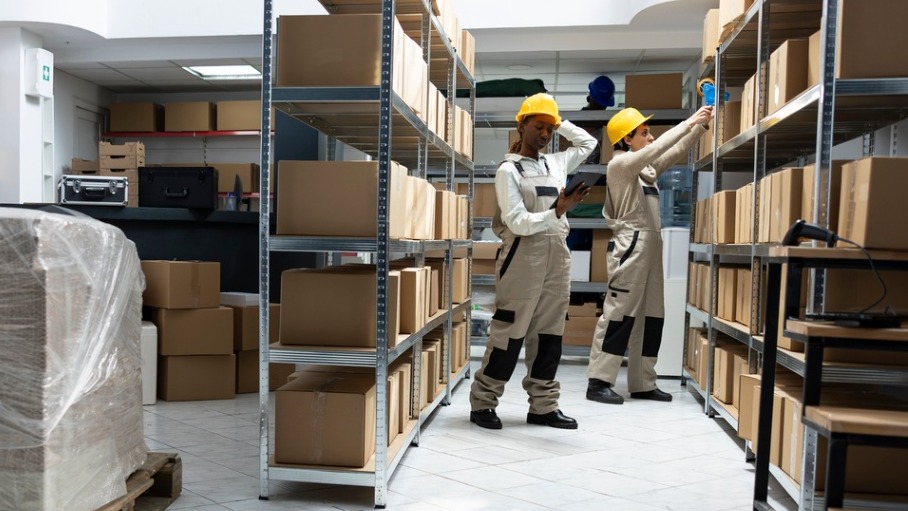
D2C logistics
Definition
D2C logistics (direct-to-consumer logistics) refers to the supply chain processes brands use to deliver products directly to end customers without traditional retail intermediaries. It covers order processing, inventory management, packaging, fulfillment, shipping, returns handling, and last-mile delivery to provide fast, cost-effective, and customer-focused service.
Overview
What is D2C logistics?
D2C logistics, short for direct-to-consumer logistics, covers all operational activities that get products from a brand or manufacturer directly into the hands of an online shopper. Unlike traditional retail channels that route goods through wholesalers and physical stores, D2C logistics focuses on small, often individualized orders that require fast delivery, accurate order handling, appealing packaging, and easy returns.
Why it matters for modern brands
Many modern consumer expectations are shaped by fast, transparent, and convenient experiences. A clothing brand, subscription service, or consumer electronics company can use D2C logistics to control the customer journey, protect margins, collect first-party data, and build brand loyalty. Customers reward consistent, speedy delivery and hassle-free returns with repeat purchases and positive reviews—making logistics a core part of marketing.
Core components of D2C logistics
- Order management — Capturing, routing, and prioritizing orders using an OMS or integrated e-commerce platform.
- Inventory placement — Deciding where stock lives: central warehouse, distributed micro-fulfillment centers, or on-demand production sites to reduce transit time and shipping cost.
- Fulfillment operations — Picking, packing, and staging items accurately and efficiently, whether done in-house, at 3PLs, or via hybrid models.
- Last-mile delivery — Final transit from local hub to customer, which heavily influences speed, cost, and customer satisfaction.
- Return management (reverse logistics) — Easy-to-use returns that preserve customer trust while protecting margins through inspections, refurbishment, or restocking processes.
- Packaging & unboxing — Protective and brand-appropriate packaging that balances cost, sustainability, and the customer experience.
- Technology & visibility — WMS, TMS, order management systems, and tracking tools that provide real-time status and analytics.
Common models and strategies
- Centralized fulfillment — One or few large warehouses. Economical for inventory management but can slow shipping to distant customers.
- Distributed or micro-fulfillment — Multiple small hubs closer to urban populations to shorten delivery time and support same-day or next-day options.
- Drop-shipping — Order is forwarded to a supplier who ships straight to the customer, reducing inventory risk but limiting control over packaging and delivery times.
- 3PL partnerships — Outsourcing fulfillment and shipping to specialized providers to scale quickly without heavy capital investment.
- Ship-from-store — Leveraging retail locations as mini-distribution centers to fulfill local online orders rapidly.
Balancing speed, cost, and customer experience
Every D2C brand faces a trade-off between delivery speed, shipping cost, and the overall customer experience. Faster delivery typically raises cost per order, so brands must decide which segments of customers should receive premium options and where to optimize for cost. Common approaches include offering free standard shipping with paid expedited options, using dynamic shipping fees based on cart value, and segmenting customers by lifetime value for premium delivery perks.
Customer experience considerations
- Transparent tracking — Clear, real-time shipment updates reduce inquiries and increase trust.
- Delivery options — Scheduled delivery windows, pickup points, white-glove services, and flexible carrier choices improve conversion and satisfaction.
- Branded packaging and unboxing — Packaging that protects items and reflects the brand can turn delivery into a marketing moment.
- Easy returns — Straightforward return policies with prepaid labels or local drop-off options keep customers coming back.
Technology and metrics to track
Effective D2C logistics relies on tools that provide automation and visibility. Typical systems include WMS for warehouse tasks, OMS for order orchestration, and TMS for carrier management. Key performance indicators include on-time delivery rate, order accuracy, shipping cost per order, delivery lead time, return rate, and customer satisfaction scores such as NPS.
Practical examples
Many successful D2C brands showcase how logistics supports growth. For instance, a direct-to-consumer mattress brand may use regional warehouses to reliably offer two-day delivery and white-glove setup, while a skincare brand might prioritize attractive, compact packaging and free returns to encourage trial purchases. Smaller brands often start with a single 3PL partner and move to a distributed model as geographic demand spreads.
Best practices for beginners
- Start by mapping your customer geography and expected delivery promises; place inventory where your customers are concentrated.
- Choose systems that integrate with your e-commerce platform to avoid manual order handling and errors.
- Prioritize clear, proactive communication — automated notifications and predictable windows reduce customer anxiety.
- Test packaging for protection and unboxing appeal while tracking per-order packaging cost.
- Offer a clear, no-nonsense returns flow and measure return reasons to reduce future returns.
- Measure frequently and iterate — small operational changes often yield outsized improvements in speed or cost.
Common mistakes to avoid
- Ignoring total landed cost: focusing only on per-item production cost while shipping eats margins.
- Overpromising delivery times you cannot meet, which damages reputation.
- Neglecting returns planning; a poor returns experience erodes repeat purchases.
- Underinvesting in visibility tools, leading to excessive customer service workload.
Final thought
For D2C brands, logistics is not just a back-office function; it is a strategic lever for differentiation. By aligning inventory placement, fulfillment strategy, delivery promise, and customer communication, brands can turn logistics into a competitive advantage that drives loyalty and growth.
Sources And Additional Reading (3)
- Ecommerce Fulfillment
“Ecommerce Fulfillment.” Shopify, https://www.shopify.com/blog/ecommerce-fulfillment.
- Last Mile Delivery
“Last Mile Delivery.” DHL, https://www.dhl.com/discover/en-us/e-commerce-advice/e-commerce-best-practice/last-mile-delivery.
- Transportation Logistics
“Transportation Logistics.” Ryder, https://www.ryder.com/en-us/logistics/transportation-logistics.
More from this term
Looking for a 3PL?
Compare warehouses on Racklify and find the right logistics partner for your business.