
Digital Compliance: The QR Code Mandate for Lithium Battery Shipping
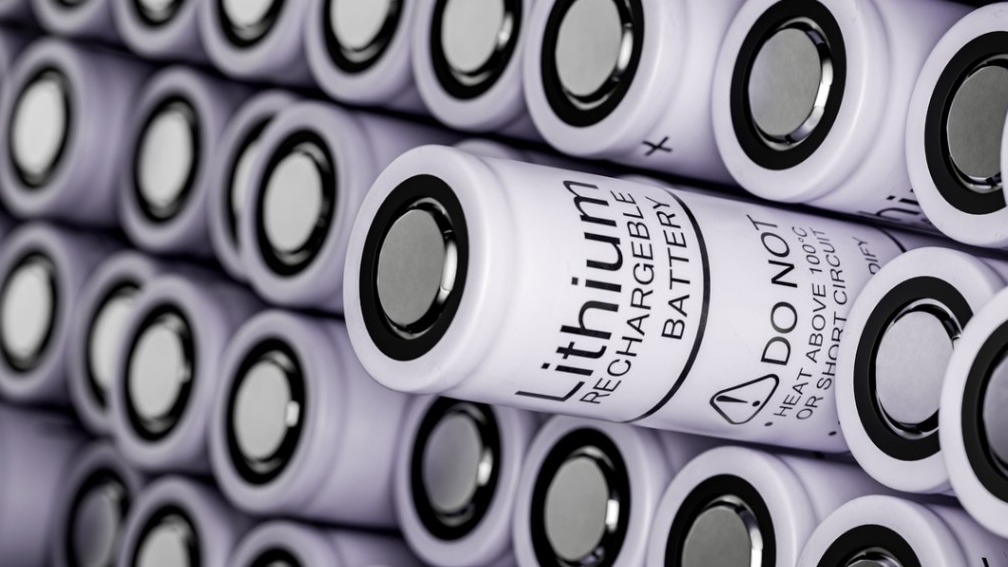
lithium battery shipping
Definition
Lithium battery shipping is the regulated transport of lithium-ion and lithium metal cells and batteries by road, rail, air, or sea. It covers specific packaging, labeling, documentation, and handling requirements to reduce risks of short circuit, thermal runaway, and fire, and must comply with international and national regulations such as IATA, IMDG, and ADR.
Overview
What the mandate is
The QR Code Mandate requires that the UN 38.3 Test Summary — the document that demonstrates a lithium battery has passed required safety tests — be made digitally accessible at the point of shipment. Rather than relying solely on physical paperwork, shippers must place a QR code or direct web link on shipping documents or on the packaging itself so that carriers, customs and enforcement agents can instantly retrieve the test summary online.
Why it matters
Lithium batteries present recognized transport risks (fire, thermal runaway) and their safe movement depends on clear, accurate documentation. The digital mandate addresses three practical issues: (1) missing physical paperwork that causes shipments to be held or rejected, (2) slow manual searches that delay processing, and (3) difficulty verifying the authenticity of paper documents. A digital link tied directly to the shipment reduces these friction points and speeds clearance.
What the UN 38.3 Test Summary covers
The UN 38.3 Test Summary is a concise report showing that a battery cell or pack has passed the UN Manual of Tests and Criteria Section 38.3. Common tests include altitude simulation, thermal cycling, vibration, shock, external short circuit, impact, overcharge and forced discharge. The summary identifies battery chemistry (e.g., lithium-ion, lithium-metal), capacity (Wh), model numbers, test lab, test dates and any limitations or notes. Under the mandate, that summary must be reachable via the QR code or link provided.
Who needs to comply
Manufacturers, packagers, freight forwarders, and shippers of lithium batteries must ensure the digital access is present on shipping paperwork and/or packaging. Account types in logistics platforms (merchant, warehouse, transportation provider) typically need to coordinate: manufacturers host the report, warehouses or fulfillment centers apply labels, and carriers scan and verify during intake.
Basic compliance requirements (summary)
- Include a scannable QR code or short, persistent web link on commercial invoices, air waybills, or the outer packaging.
- Ensure the linked document is the UN 38.3 Test Summary or an official summary page that clearly references the full report and certification details.
- Provide sufficient metadata: battery chemistry, model numbers, watt-hour rating, test lab name, test date, and a unique test report identifier.
- Host documents on a reliable HTTPS endpoint to prevent link breakage and provide secure access.
Real-world example
A consumer electronics manufacturer ships replacement battery packs internationally. Each pallet contains a packing list with a printed QR code. An agent at the carrier scans the code and sees a web page showing the UN 38.3 summary, the lab certificate number, and an embedded PDF of the full test report. Because the report is immediately accessible and verifiable, the pallet clears for transport the same day.
Advantages
- Faster inspections: agents can validate remotely without waiting for paper retrieval.
- Reduced grounded goods: fewer shipments delayed for missing paperwork.
- Improved traceability: QR codes can link to versioned reports and audit trails.
- Better fraud resistance: digital hosting allows for signatures, timestamps, and certificate data that are harder to fake than paper stamps.
Potential pitfalls
- Link rot: if the report URL changes or hosting lapses, the QR becomes useless.
- Access controls: overly restrictive hosting (login walls) can prevent instant inspection.
- Counterfeits: poorly protected documents can still be manipulated unless cryptographic signatures or other verification measures are used.
- Label damage: QR codes printed on flimsy paper or in poor locations may become unreadable.
Quick implementation checklist
- Identify the authoritative UN 38.3 summary for each battery model being shipped.
- Host the summary and the underlying PDF on a secure, persistent URL with HTTPS.
- Create a scannable QR code that resolves directly to the summary page; avoid redirect chains.
- Place QR codes on shipping paperwork and on the outside packaging in a protected location with adequate contrast and size.
- Include plain-text metadata (battery chemistry, Wh, report ID) on the paperwork near the QR code in case scanning fails.
- Document internal procedures for creating, verifying and rotating QR targets; retain records for audits.
Regulatory alignment
While the QR Code Mandate focuses on accessibility, shippers must still meet modal regulations (IATA for air, IMDG for sea, ADR for road in Europe, and local civil aviation or transport authority rules). Many carriers and customs authorities expect the same metadata regardless of physical or digital form, so ensure the online summary and the shipping papers contain identical information.
Conclusion
The QR Code Mandate modernizes a long-standing paperwork problem for lithium battery shipping by making safety evidence instantly retrievable. For beginners: think of the QR as a direct line from the package to the battery’s safety passport. Implement carefully — with persistent hosting, redundancy and clear metadata — and the result is faster movement, fewer delays and clearer enforcement.
Sources And Additional Reading (3)
- Dangerous Goods Regulations
“Dangerous Goods Regulations.” IATA, https://www.iata.org/en/programs/cargo/dgr/.
- Lithium Battery Guide for Shippers
“Lithium Battery Guide for Shippers.” PHMSA, https://www.phmsa.dot.gov/lithiumbatteries.
- GS1 Digital Link
“GS1 Digital Link.” GS1, https://www.gs1.org/standards/gs1-digital-link.
More from this term
Looking for a 3PL?
Compare warehouses on Racklify and find the right logistics partner for your business.