
Drone-to-Van Logistics: Cutting Delivery Times in Half
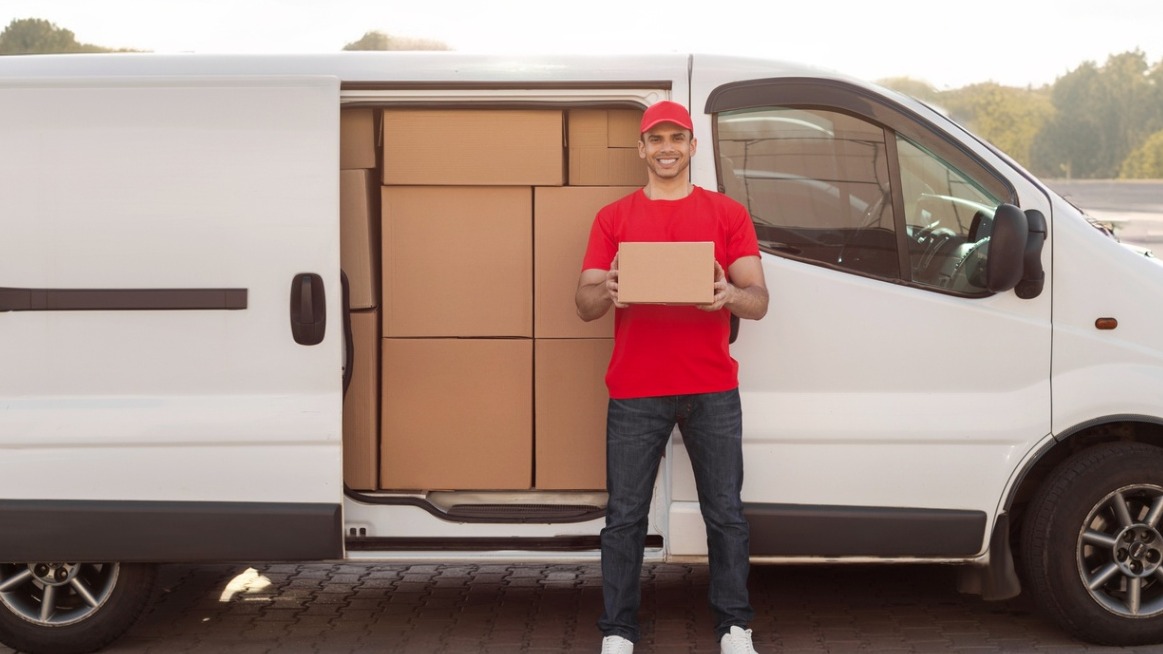
Drone-to-Van
Definition
Drone-to-Van is a logistics concept in which autonomous drones rendezvous with moving delivery vans to transfer parcels, recharge, or swap batteries, using the van as a mobile hub. This approach extends drone range, increases delivery flexibility, and improves last-mile efficiency by combining aerial speed with vehicle payload capacity.
Overview
Drone-to-Van describes a hybrid delivery approach where a ground vehicle (typically a van) functions as a mobile base for one or more delivery drones. The van drives to a location close to recipients and the drones launch from, and return to, the van to complete short flights to final delivery points. This model reduces total delivery time by letting the van cover longer road distances while drones perform parallel, direct flights for the last few hundred meters to a few kilometers.
Think of the van as a moving mini-warehouse and drone charging station. Instead of the van stopping at every delivery address, it parks strategically and sends drones out to make several nearby drops while the van either waits or relocates to the next launch point. This combination can cut delivery times significantly, reduce vehicle miles, and improve responsiveness for time-sensitive shipments like medicines, small e-commerce parcels, or urgent parts.
How it works — a simple delivery flow
- Order and planning: A customer orders an item. The carrier's routing software assigns the job and determines optimal van routes and drone sorties based on addresses, payloads, weather, and regulations.
- Van as mobile hub: A van stocked with parcels and equipped with drone docking, charging, and control systems drives to a nearby staging area.
- Drone launch: Drones take off from the van, fly directly to delivery points, land or lower packages to safe drop zones, and return to the van for recharging or package reload.
- Completion and reconciliation: The van either moves to a new staging location or completes remaining ground deliveries. Delivery confirmation and data are synced with the carrier's systems.
Key benefits
- Faster last-mile times: Drones fly direct routes without getting stuck in traffic, often reducing delivery time for each stop.
- Higher productivity: One van can support multiple drone sorties, enabling parallel deliveries and reducing the number of stops a driver must make.
- Lower road congestion and emissions: Combining drone hops with fewer van stops can reduce vehicle idling and driving distance, lowering fuel use.
- Flexibility in hard-to-reach areas: Drones can reach locations with limited road access or where parking is difficult, improving service in dense urban or remote rural settings.
Typical equipment and technology
- Drones: Small multirotor or VTOL (vertical takeoff and landing) drones designed for package delivery; payload capacity typically ranges from 0.5 kg to several kilograms depending on design.
- Van modifications: Docking/launch platforms, charging bays, secure package storage, and communication equipment to coordinate drone sorties.
- Control systems: Software for mission planning, real-time flight control, geofencing, and safe return-to-van capabilities. Integration with WMS/TMS ensures accurate inventory and routing.
- Safety hardware: Parachutes, redundant navigation systems, and sensors for obstacle detection.
When to consider Drone-to-Van
- High-density delivery windows where many stops are clustered within drone range.
- Time-sensitive deliveries (medical supplies, perishable goods) requiring rapid arrival.
- Areas with frequent traffic congestion or limited parking that slow traditional van stops.
- Pilot projects to test hybrid operations before moving to more complex autonomous models.
Implementation steps and best practices
- Start with a pilot: Run small-scale trials focusing on a single neighborhood or delivery corridor to validate safety, timing, and customer experience.
- Route and payload analysis: Use historical order data to pick routes where drone hops offer the biggest time savings and ensure packages fit drone payload limits.
- Regulatory engagement: Work closely with aviation authorities to secure permissions, especially for beyond-visual-line-of-sight (BVLOS) operations, and adopt geofencing to respect no-fly zones.
- Safety and redundancy: Implement failsafe procedures, emergency landing plans, and redundant navigation/sensor systems to mitigate technical failures.
- Community and customer communication: Inform residents about drone operations, privacy safeguards, and delivery options; provide clear delivery windows and fulfillment confirmations.
- Integration with existing systems: Connect drone operations to WMS/TMS and delivery-tracking platforms so inventory, routing, and customer notifications remain synchronized.
Common mistakes to avoid
- Underestimating regulatory and permitting timelines; approvals can be lengthy and vary by jurisdiction.
- Overloading drone payloads or expecting drones to substitute for vans on longer trips — range and weight limits are real constraints.
- Poor landing zone planning — safe, legal, and repeatable drop points are crucial for consistent operations.
- Neglecting system integration — manual handoffs between systems cause errors and slow operations.
- Ignoring weather and seasonal impacts; high winds, rain, or snow reduce drone availability and safety.
Real-world examples and use cases
- Healthcare deliveries: Drones launched from a van can make multiple same-day deliveries of urgent medications or lab samples across a city faster than ground-only routes.
- E-commerce peak windows: During busy sale events, vans can position near dense clusters of recipients and drones can make quick doorstep drops, increasing throughput.
- Rural outreach: Vans serving dispersed communities can launch drones to reach remote homes without adding long, costly detours for drivers.
Challenges and future outlook
Drone-to-Van is promising but not a universal solution. Limits include drone payload and range, weather sensitivity, airspace restrictions, and upfront investment in hardware and operational controls. However, as drone technology, battery energy density, and regulatory frameworks mature, this hybrid model is likely to become more common. Advances such as autonomous van coordination, standardized docking modules, and improved traffic-aware routing will further reduce delivery times and costs.
For beginners exploring Drone-to-Van, the best approach is pragmatic: run focused pilots, build partnerships with regulators and local communities, and integrate drone operations tightly with existing warehouse and transport systems. When executed well, Drone-to-Van can meaningfully cut last-mile times, improve customer satisfaction, and open new routing options for modern logistics networks.
Sources And Additional Reading (3)
- Package Delivery by Drone
“Package Delivery by Drone.” Federal Aviation Administration, https://www.faa.gov/uas/advanced_operations/package_delivery_drone.
- Wing Delivery
“Wing Delivery.” Wing, https://wing.com/.
- Zipline
“Zipline.” Zipline, https://www.flyzipline.com/.
More from this term
Looking for a 3PL?
Compare warehouses on Racklify and find the right logistics partner for your business.