
Dunnage Materials Comparison: Wood, Airbags, Foam, And Paper
Dunnage
Definition
Dunnage refers to materials and products used to protect, support, and secure cargo during storage and transportation. Common forms include wooden braces, airbags, foam, and loose fill that prevent movement, cushion against shock, and distribute weight to reduce damage.
Overview
Dunnage Protective or stabilizing material placed around goods to cushion, separate, or prevent movement during shipment. This article compares the common dunnage materials used in warehouses and freight — their protective properties, typical costs, handling characteristics, and the operational trade-offs logistics teams need to weigh when choosing a solution.
Picking the right dunnage starts with matching material performance to the shipment’s vulnerabilities: impact, compression, moisture, abrasion, and vibration. Different materials provide different combinations of cushioning, rigidity, and ease of use. The sections below break down common dunnage types and explain where each one makes the most sense.
Common Dunnage Materials
Most warehouses and carriers use four families of dunnage: wood, inflatable airbags, engineered foams (including molded foam and polyethylene), and paper-based systems (kraft, honeycomb). Each has predictable strengths and limits.
- Wood: Solid blocking and bracing, cradles, and custom skids that resist compression and support heavy point loads.
- Airbags: Inflatable bags (polyethylene or paper-encased) used to fill voids and restrain pallet loads inside containers and trailers.
- Foam: Molded or loose-fill foam for high-cushion applications and fragile items; closed-cell foam resists moisture.
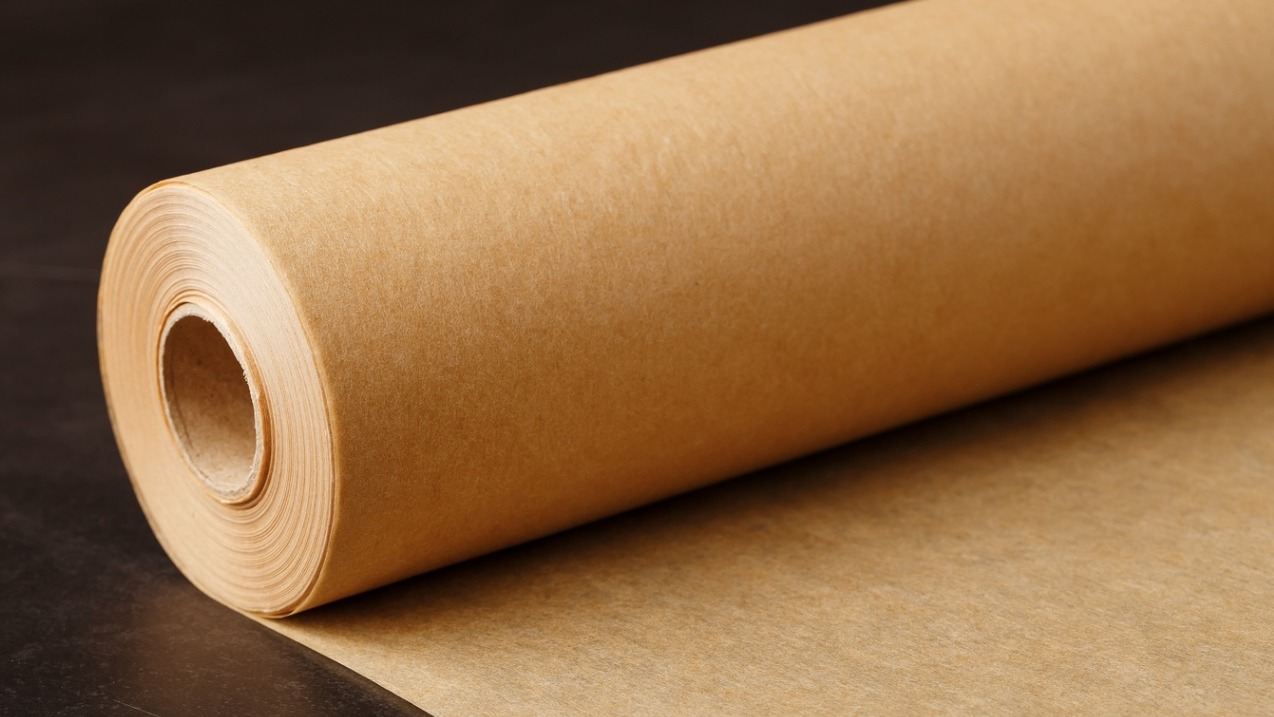
- Paper And Honeycomb: Cost-effective void fill and edge protection; recyclable but lower compression resistance than wood or foam.
How They Perform — Cushioning, Strength, And Moisture Resistance
Performance varies by metric. Wood and engineered blocking excel at preventing compressive collapse and controlling load shift under heavy acceleration or cornering. Airbags perform well for lateral restraint but offer limited vertical load-bearing capacity. Foam excels at absorbing point impacts and protecting irregular shapes, while paper-based systems are best for light-to-moderate cushioning and environmental friendliness.
Moisture is a critical consideration: untreated wood can introduce moisture and pests; closed-cell foam and plastic airbags are moisture-resistant; paper systems can be treated but are generally more hygroscopic. For temperature-sensitive goods (electronics, pharmaceuticals), closed-cell foam or plastic-based dunnage typically protects better against condensation cycles than raw paper or wood.
Cost, Labor, And Sustainability Trade-Offs
Selection is rarely only about unit price. Wood is often inexpensive per piece but adds weight (increasing freight cost by weight-based tariffs) and requires cutting or custom work. Airbags are lightweight and fast to install but require inflation equipment and training. Foam provides high protection-per-pound but can be costlier and less recyclable. Paper and honeycomb strike a good balance for sustainability-minded operations because most grades are recyclable and lower-weight.
- Cost: Paper and basic airbags are typically lowest cost; molded foam and custom woodwork are higher.
- Labor: Airbags and pre-cut foam are fast to set; custom wood bracing is labor intensive.
- Freight Impact: Heavier dunnage increases freight charges on weight-sensitive lanes (air, some road tariffs).
- Sustainability: Recyclability and reuse favor paper and some engineered foam take-back programs; wood can be reused but may be treated and restricted for export.
Selection Checklist For Warehouse And 3PL Operations
Use a short checklist to standardize dunnage choice across SKUs and lanes. Standardization reduces error, improves packing speed, and helps track costs.
- Product Fragility: Choose foam or form-fitted inserts for delicate items; use rigid wood blocking for dense, heavy goods.
- Shipment Mode: Air favors low-weight systems (foam, paper); ocean and intermodal often require bracing that resists shifting during long sea voyages.
- Environmental Exposure: For humid or wet conditions, prefer closed-cell material or moisture-resistant packaging.
- Regulatory/Export Requirements: Avoid raw wood for some international exports unless heat-treated and ISPM 15 stamped.
- Handling Time: If throughput is critical, invest in quicker-to-apply systems like airbags or pre-cut foam kits.
Practical Example: Electronics Pallet To Ocean Container
An electronics manufacturer shipping 40 pallets into a 40' ocean container typically pairs dunnage types: wood blocking at the container floor to prevent pallet creep, airbags between pallets to control lateral movement, and molded foam or edge protectors around pallet corners for drop protection during transload. This combination controls vertical and lateral forces while keeping weight reasonable and preserving delicate components against shock and vibration.
Tips To Reduce Cost And Damage Rates
- Standardize SKUs: Create dunnage kits per SKU family so packers use the right mix without ad hoc choices.
- Train For Correct Use: Airbags must be placed and inflated correctly; poor placement frequently causes failures.
- Track Damage: Log damage incidents by dunnage type to refine selection over time.
- Consider Reuse Programs: Reusable cradles, pallets, and engineered foam inserts can lower lifecycle cost for high-value SKUs.
In short, the Dunnage decision balances protection, weight, labor, and sustainability. Using the right material (or combination) for the mode, product, and route reduces damage rates and total landed cost more effectively than choosing dunnage by unit price alone.
Sources And Additional Reading (4)
- Cargo Securement
“Cargo Securement.” Federal Motor Carrier Safety Administration, https://www.fmcsa.dot.gov/regulations/cargo-securement.
- Cargo Stowage and Securing
“Cargo Stowage and Securing.” International Maritime Organization, https://www.imo.org/en/OurWork/Safety/Pages/Cargo-Stowage-and-Securing.aspx.
- Materials Handling and Storage
“Materials Handling and Storage.” Occupational Safety and Health Administration, https://www.osha.gov/materials-handling.
- Importing Into the United States — A Guide For Commercial Importers
“Importing Into the United States — A Guide For Commercial Importers.” U.S. Customs and Border Protection, https://www.cbp.gov/trade/basic-import-export/importing.
More from this term
Looking for a 3PL?
Compare warehouses on Racklify and find the right logistics partner for your business.