
End-Effectors: Best Practices, Maintenance and Common Mistakes
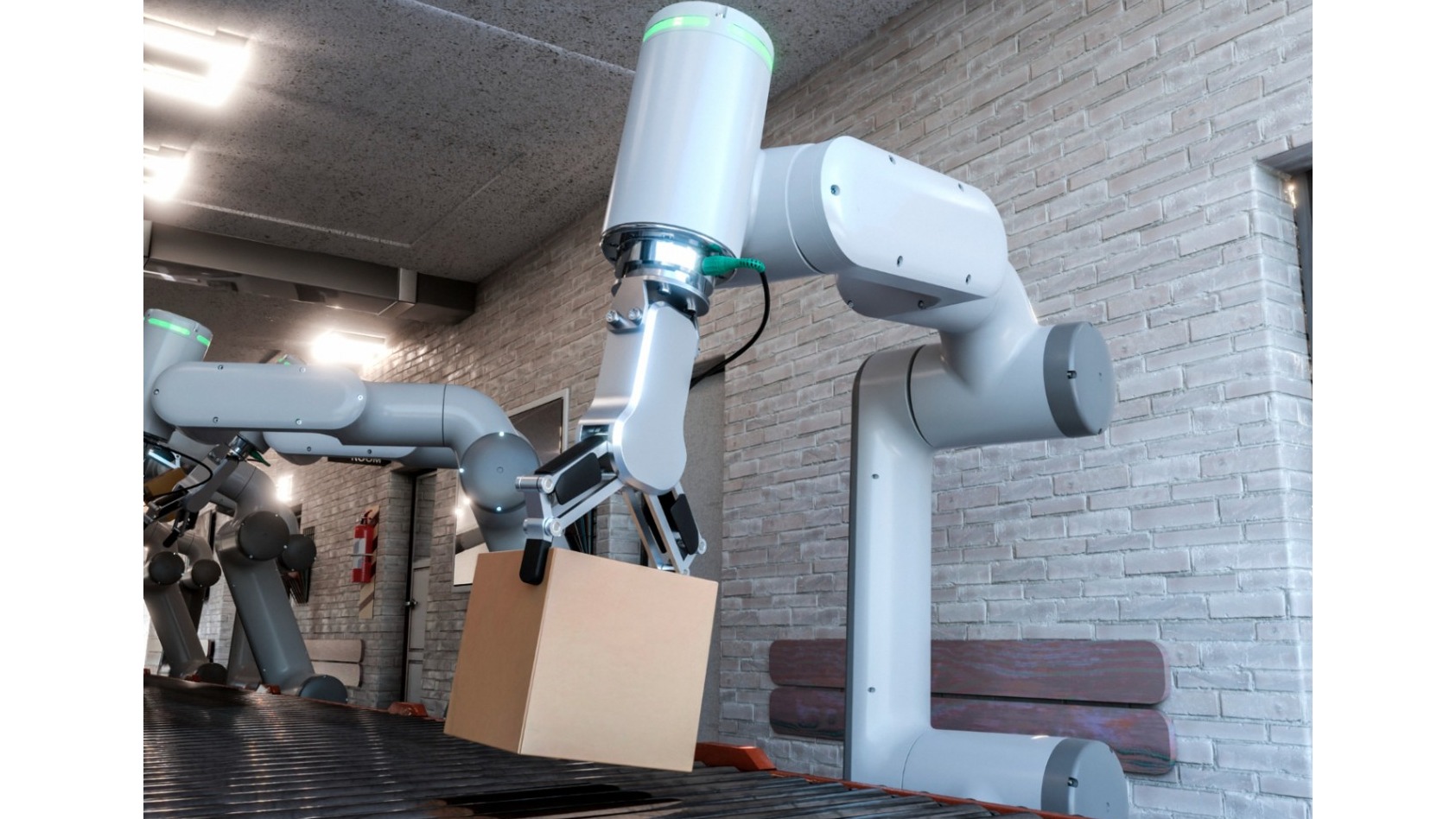
End-Effectors
Definition
End-effectors are tools attached to the end of a robotic arm or manipulator that allow the robot to grasp, move, or interact with objects and the environment. Common examples include grippers, suction cups, welding torches and sensors, and the appropriate choice depends on the task’s shape, required force, precision and handling needs.
Overview

End-Effectors: Best Practices, Maintenance and Common Mistakes
Deploying end-effectors successfully requires more than correct selection and mechanical mounting; it demands ongoing maintenance, monitoring, operator training and a lifecycle view that captures failure modes and corrective measures. This guide summarizes best practices for commissioning and operating end-effectors, routine maintenance tasks, KPIs to monitor, and common mistakes that undermine reliability.
Best practices for commissioning and operation
- Thorough testing with representative SKUs: run extended trials using the full SKU mix (including damaged, mispacked and edge-case items) to validate robustness and exception handling logic.
- Sensor-driven validation: deploy vacuum sensors, force/torque sensing and vision confirmation to reduce false picks and to trigger automated retries or diversion logic for failures.
- Fail-safe and fallback procedures: define safe states for tool and robot in event of sensor failure, loss of vacuum, or emergency stop. Incorporate logic for human-in-the-loop intervention and clear error messaging.
- Standardized tooling and modularity: use standardized flanges, tool changers and cable routing to simplify swaps, reduce commissioning time and minimize wiring issues during maintenance.
- Operator training and documentation: train maintenance and operations teams on quick-change procedures, routine inspection points and the correct handling of soft materials and suction cups to extend lifespan.
Maintenance routines and schedules
- Daily checks: visual inspection of suction cups, seals, hoses and quick-disconnect fittings; verify vacuum levels and replace worn cups promptly.
- Weekly tasks: clean suction cups and gripper surfaces with manufacturer-approved agents; verify sensor calibration and inspect mechanical linkages for play or wear.
- Monthly preventive maintenance: replace consumables (cups, O-rings), check vacuum pump filters and belts, and perform a more thorough inspection of electrical connectors and cable strain reliefs.
- Condition-based servicing: implement monitoring that flags declines in pick success rate, increases in false release events or rising cycle times—trigger inspections when thresholds are exceeded.
Key performance indicators to monitor
- Pick success rate (%)
- Mean time between failures (MTBF)
- Mean time to repair (MTTR)
- Cost per pick
- Energy consumption per cycle
- Unplanned downtime hours
Common mistakes and how to avoid them
- Under-specifying gripping force or suction capacity: selecting an end-effector based on average SKU rather than the heaviest or slipperiest items leads to intermittent failures. Avoid by specifying for worst-case items and using adaptive control.
- Neglecting surface variability: assuming all packages have ideal contact surfaces causes suction systems to fail on porous or textured materials. Use hybrid grippers or surface-adaptive suction cups for mixed environments.
- Poor integration of sensing and software: relying solely on open-loop motion without confirmation sensors leads to undetected misses. Implement validation sensors and integrate their feedback in higher-level WMS/robot control decision trees.
- Ignoring environmental impacts: dust, moisture and temperature extremes degrade seals and sensors. Specify end-effectors with appropriate IP ratings and design for easy cleaning in dusty or food-handling contexts.
- Lack of spare parts planning: not stocking critical consumables (suction cups, seals, solenoids) extends MTTR. Maintain a spare-parts kit sized to your uptime targets and supply chain realities.
- Overlooking human factors: insufficiently trained operators can damage soft grippers or improperly reassemble quick-change couplers. Provide clear visual guides and retraining refreshers, and design for intuitive maintenance steps.
Troubleshooting examples
- Repeated vacuum loss on corrugated boxes: solution—replace flat cups with bellows-style cups that conform to corrugated profiles, increase cup count to distribute seal, and add vacuum retention reservoirs to maintain grip during brief pressure drops.
- High false-drop rate with hybrid gripper: solution—tune force thresholds on fingers, add tactile sensor feedback and program a brief dwell-and-verify step prior to transit to confirm a firm grasp.
- Soft gripper wear in abrasive materials: solution—source higher-durability elastomers, incorporate wear-rate monitoring, and schedule more frequent part replacements in the preventive maintenance plan.
Lifecycle considerations and ROI
Assess total lifecycle costs, not only initial CapEx. Include consumable replacement, energy use, impact on downstream throughput, personnel training and integration maintenance. A well-specified end-effector that reduces manual intervention will often justify higher initial cost through lower operational cost and improved throughput. Conversely, an underspecified tool can create hidden costs from downtime and rework.
Final checklist before scale-up
- Validate pick success rate against KPI targets in a pilot with true SKU variability.
- Document maintenance procedures and stock critical spares.
- Integrate sensor feedback into automation workflows for automatic exception handling.
- Train staff on safe handling and basic troubleshooting.
- Review safety and compliance per ISO standards and local regulations.
Adopting these best practices reduces the most common causes of failure in end-effector deployments and increases the probability that automation investment achieves expected throughput, quality and ROI goals. Continuous monitoring, preventive maintenance and diligent integration of sensing and software are the distinguishing factors between a robust, scalable deployment and one that frequently requires manual rescue.
Sources And Additional Reading (3)
- Vacuum Gripping Systems
“Vacuum Gripping Systems.” Schmalz, https://www.schmalz.com/en-us/vacuum-technology-for-automation/vacuum-components/vacuum-gripping-systems/.
- Robot End-of-Arm Tooling
“Robot End-of-Arm Tooling.” OnRobot, https://onrobot.com/us/products.
- Robotic End Effectors
“Robotic End Effectors.” ATI Industrial Automation, https://www.ati-ia.com/products/eoat/eoat.aspx.
More from this term
Looking for a 3PL?
Compare warehouses on Racklify and find the right logistics partner for your business.