
End-Effectors: Comprehensive Overview and Core Functions
End-Effectors
Definition
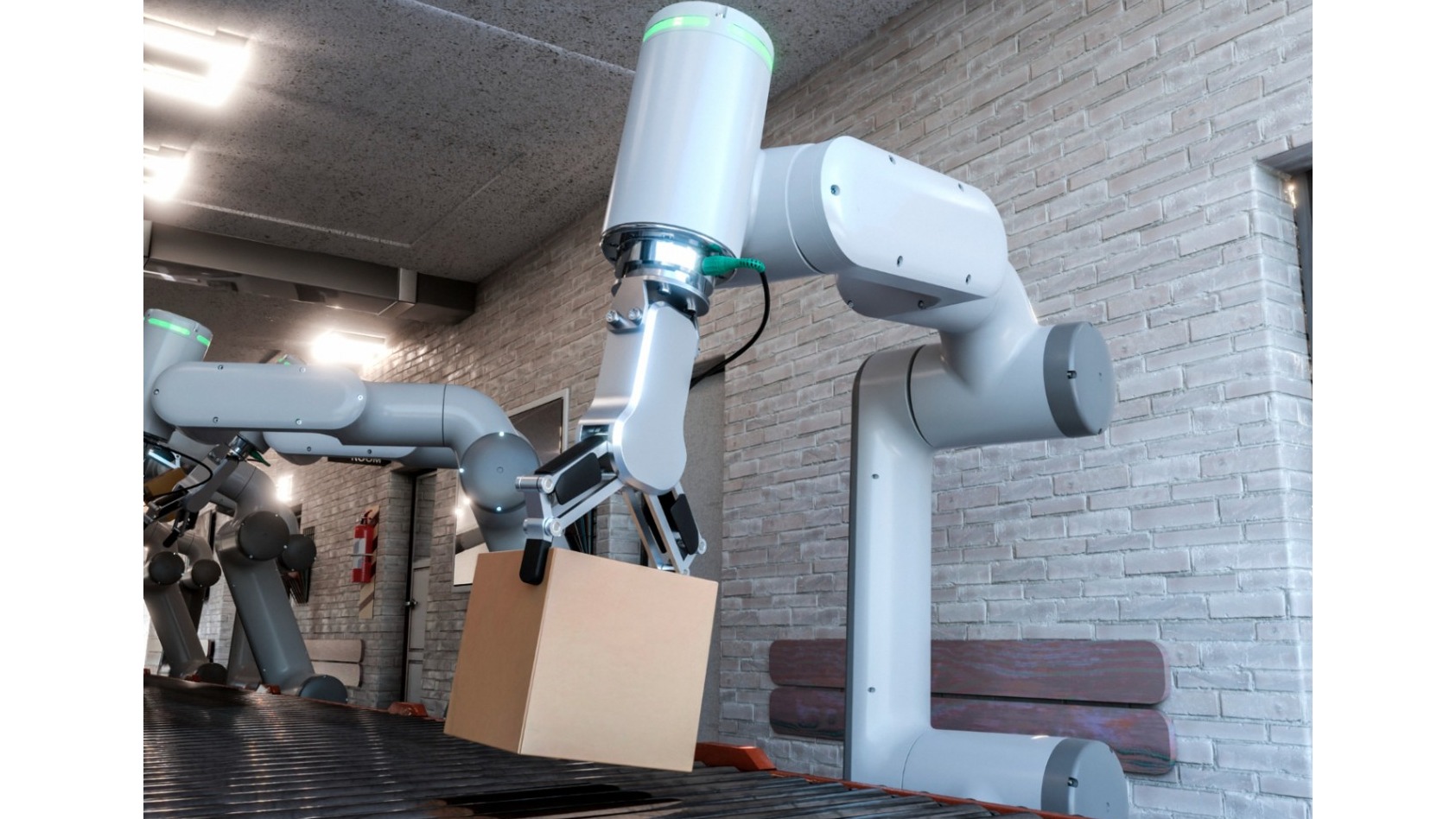
End-effectors are tools attached to the end of a robotic arm or manipulator that allow the robot to grasp, move, or interact with objects and the environment. Common examples include grippers, suction cups, welding torches and sensors, and the appropriate choice depends on the task’s shape, required force, precision and handling needs.
Overview
End-Effectors: Comprehensive Overview and Core Functions
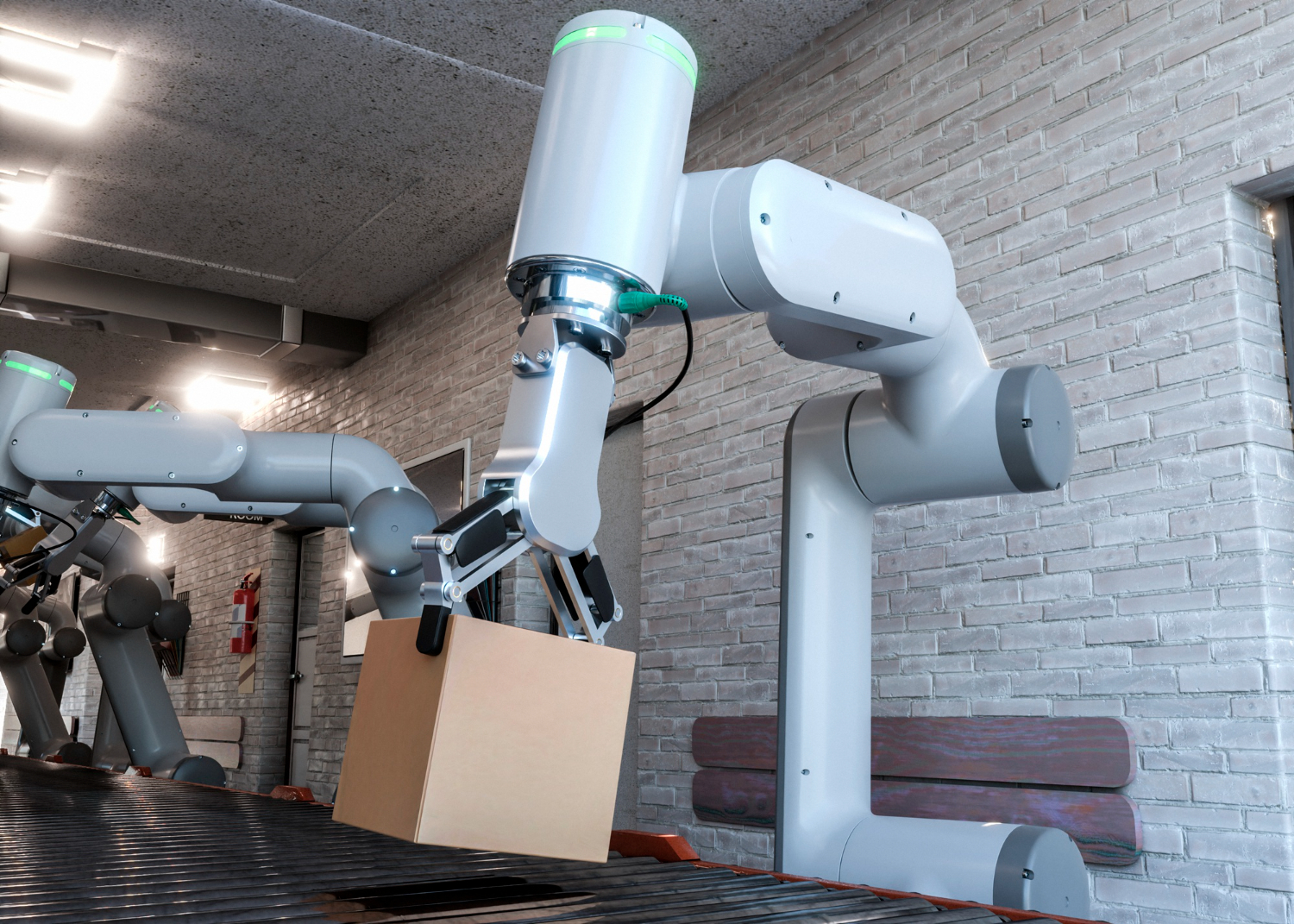
End-effectors form the functional interface between a robot and the physical world. In warehousing and logistics, an end-effector is the tool, mechanism or assembly fixed to the end of a robotic arm that performs the task—picking items, placing packages, palletizing boxes, de-palletizing, sorting, or performing secondary operations like labeling and sealing. The term encompasses purely mechanical grippers, pneumatic suction systems, magnetic devices, soft robotic hands, and integrated toolheads that combine actuation, sensing and quick-change mechanics.
The role of an end-effector is defined by the operational requirement it must satisfy.
Key functions include:
- Object acquisition: secure the item reliably during motion (e.g., parallel jaw grippers, vacuum cups, or soft fingers).
- Manipulation and reorientation: rotate, tilt, or reposition an object for downstream operations (e.g., articulated tool changers or rotational wrists with specialized tooling).
- Handling variability: accommodate a range of sizes, weights, shapes and materials encountered in fulfillment centers and distribution hubs.
- Inspection and sensing: integrate sensors (force, tactile, vision) to verify picks, measure forces and ensure correct placement.
- Secondary processing: perform specialized tasks such as sealing, taping, labeling, kitting or quality checks.
Common categories of end-effectors used in logistics environments:
- Mechanical grippers: parallel-jaw and three-finger styles are widely used for rigid items. They are robust for uniform cartons, totes and rigid containers.
- Vacuum/suction systems: ideal for non-porous or semi-porous surfaces such as polybags, blister packs and many product outer surfaces. Suction end-effectors often include multiple suction cups on a manifold to handle variable package sizes.
- Soft robotic grippers: made of compliant materials that conform to irregular geometries and handle fragile items (e.g., produce, textiles, irregularly shaped consumer goods).
- Magnetic grippers: used for ferrous materials—sheet metal handling or pallet operations where steel strapping components are present; less common in mixed-SKU fulfillment.
- Vacuum plus mechanical hybrids: combine suction and fingers for mixed pallets and bins where surfaces and shapes vary across SKUs.
- Tool changers and modular toolheads: permit a single robot to switch among multiple end-effectors for different tasks, increasing utilization across shift schedules.
Performance Metrics
Engineers evaluate when specifying an end-effector include payload capacity, repeatability, cycle time, grip force or suction capacity, contact area, energy consumption, and the end-effector’s environmental tolerance (dust, moisture, temperature). Another essential metric is the pick success rate—typically expressed as a percentage of correct picks per attempts—because even small improvements can significantly affect throughput and labor substitution economics in high-volume operations.
Sensors and feedback are critical. Force/torque sensors, tactile sensors, and integrated vision increase robustness by allowing the end-effector to confirm a secure grip, detect misalignment, and report anomalies for exception handling. In modern deployments, end-effectors are often tightly integrated with perception systems (2D/3D cameras, structured light, or laser scanners) and control stacks running ROS (Robot Operating System) or vendor-specific real-time controllers. Communication protocols like EtherCAT, IO-Link, and Ethernet enable deterministic control, sensor feedback and integration with higher-level warehouse management systems (WMS) that feed pick instructions and receive status updates.
Practical examples
From logistics operations illustrate how end-effectors shape system design. In high-speed parcel sorting, vacuum grippers equipped with multiple independently controlled cups handle polybags and thin envelopes more reliably than jaws. In grocery fulfillment, soft robotic end-effectors gently pick produce and fragile goods that would be damaged by rigid grippers. For reverse logistics and returns, hybrid gripping systems that combine fingers and suction are preferred because returned items vary unpredictably.
Regulatory and Safety
Frameworks also influence end-effector selection, especially for collaborative robots (cobots) working alongside human operators. Standards such as ISO 10218 (industrial robot safety) and ISO/TS 15066 (collaborative robot safety) require risk assessments that consider the geometry, surface hardness and operating forces of end-effectors. Appropriate guarding, torque limiting, and compliant design choices reduce the chance of injury during unexpected contact.
In Summary
End-effectors are the application-defining components of robotic systems in warehousing and logistics. Their design, sensing capability, and integration with perception and control systems determine whether automation achieves desired throughput, quality, and cost objectives. Selection is a balance of mechanical capability, adaptability to SKU mix, sensing and software integration, and lifecycle considerations such as maintenance, spare parts and total cost of ownership.
Sources And Additional Reading (3)
- Vacuum Gripping Systems
“Vacuum Gripping Systems.” Schmalz, https://www.schmalz.com/en-us/vacuum-technology-for-automation/vacuum-components/vacuum-gripping-systems/.
- Robot End-of-Arm Tooling
“Robot End-of-Arm Tooling.” OnRobot, https://onrobot.com/us/products.
- Robotic End Effectors
“Robotic End Effectors.” ATI Industrial Automation, https://www.ati-ia.com/products/eoat/eoat.aspx.
More from this term
Looking for a 3PL?
Compare warehouses on Racklify and find the right logistics partner for your business.