
Flammable Storage: Basics Every Beginner Should Know
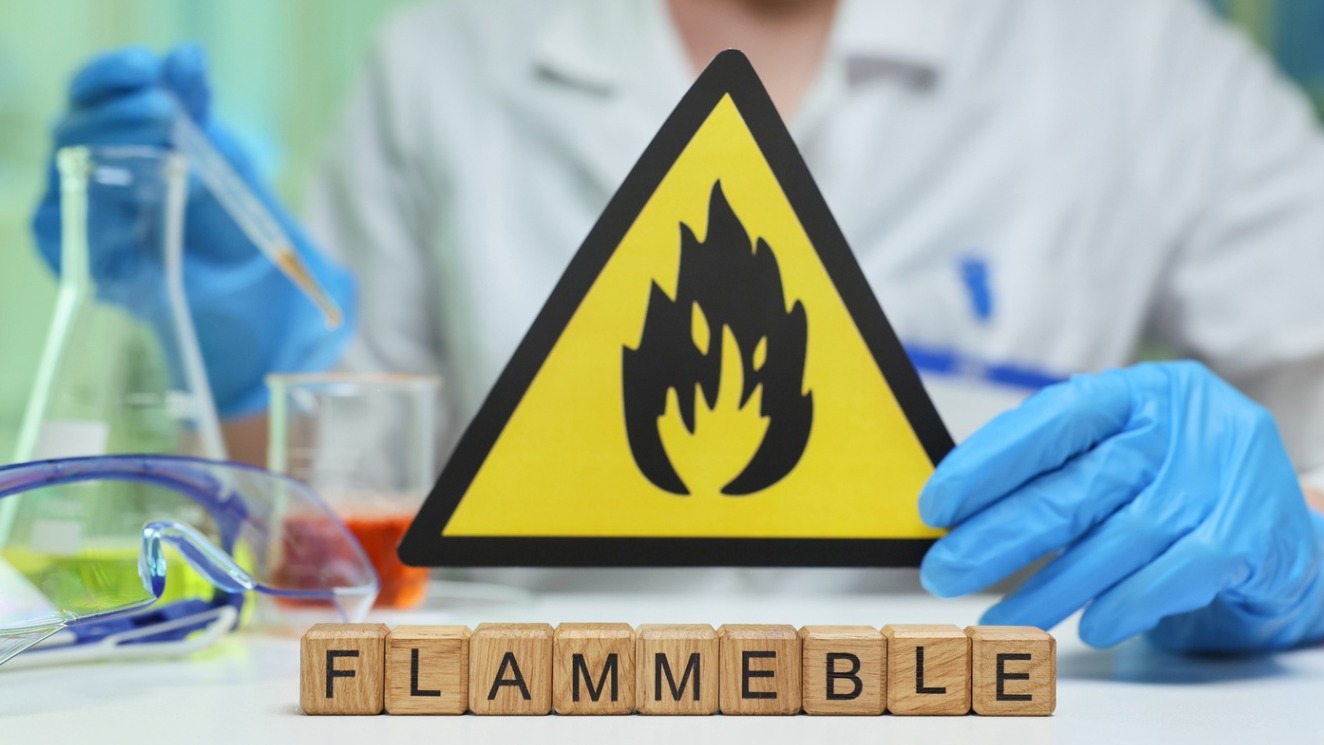
flammable storage
Definition
Flammable storage is the specialized warehousing and handling of flammable or combustible materials by a third‑party logistics provider on behalf of clients. It requires segregated, fire‑rated storage areas, approved containers and shelving, trained staff, fire suppression and ventilation systems, and adherence to regulatory permits and safety standards to minimize risk during storage and distribution.
Overview

What flammable storage means
Flammable storage is the practice of keeping flammable liquids, gases, and combustible materials in a way that minimizes the chance of ignition, reduces the spread of fire, and protects people and property. For beginners, the simplest way to think about flammable storage is as a set of common-sense rules backed by standards and equipment: store the right products in the right containers, separate them from ignition sources, and use approved cabinets or rooms when quantities or risks exceed small, everyday amounts.
Key characteristics of flammable materials
Not all materials burn the same way. Flammable liquids are typically classified by flash point, which is the lowest temperature at which a liquid gives off enough vapor to form an ignitable mixture with air. Lower flash points mean higher risk. Many workplace standards and labels will refer to flash points, NFPA classes (I, II, III for liquids), and hazard symbols. Beginners should recognize that aerosols, solvents, gasoline, certain cleaning agents, and many industrial chemicals commonly require flammable storage methods.
Common storage options
- Approved safety cans and sealed containers for small quantities used at a workstation.
- Flammable storage cabinets for greater on-site volumes; these are metal cabinets specifically constructed and labeled to resist fire and limit vapor escape.
- Flammable storage rooms or vaults for larger quantities or multiple cabinet groups; these are purpose-built spaces with fire-rated construction, ventilation, and electrical controls.
- Outdoor flammable storage for very large volumes or for materials incompatible with indoor environments; these require weather protection and grounding.
Basic rules beginners can apply today
- Read the Safety Data Sheet (SDS) before storing any chemical. The SDS tells you flash point, reactivity, and storage recommendations.
- Keep quantities to the minimum needed for work. Excess stock multiplies risk.
- Store flammables in approved containers and cabinets. Do not improvise with ordinary shelving or cardboard boxes.
- Segregate incompatible materials. For example, oxidizers and flammable solvents should never share close storage.
- Control ignition sources. No open flames, hot work, or unprotected electrical equipment near flammable storage.
- Provide ventilation where required to prevent vapor buildup, but avoid creating strong air currents that spread vapors.
Regulatory framework and standards
Beginners should be aware that flammable storage is not just a best practice: many countries enforce rules through building and fire codes, workplace safety regulations, and standards such as NFPA (National Fire Protection Association) and OSHA guidance in the United States. Local authorities having jurisdiction (AHJ) often set specific limits on cabinet sizes, distances from exits, and permitted storage amounts. If you operate in a warehouse or commercial facility, check local codes early in your planning.
Labels, signage, and training
Clear labeling helps workers and emergency responders. Cabinets and rooms should be marked with flammable storage signs and hazard class information. Training is equally important: everyone who handles or stores flammable materials needs to understand basic risks, how to use safety cans and cabinets, and what to do in case of a spill or fire.
Simple examples
Example 1: A small maintenance workshop keeps a few liters of solvent in a yellow, labeled flammable cabinet near the workbench. Workers pour only what they need into a small safety can and keep the cabinet closed when not accessing it.
Example 2: A retail store receives pallet loads of aerosol cleaners. Until stock is needed on the sales floor, the pallets are stored in a designated backroom with ventilation and signage and limited quantities per local code.
Why it matters
Proper flammable storage prevents injuries, reduces property damage, and maintains business continuity. Fires involving flammable liquids can escalate rapidly and produce toxic smoke. Even small improvements—like using a certified cabinet or keeping containers sealed—can greatly lower risk.
Next steps for beginners
- Inventory your materials and consult SDS documents for each product.
- Identify simple fixes: swap open paint cans for lids, move solvents into safety cans, and label cabinet doors.
- Contact your local fire marshal or safety officer for guidance on cabinet sizes and spacing requirements.
- Plan short training sessions so staff know how to store, handle, and respond to incidents involving flammable materials.
Sources And Additional Reading (3)
- Flammable Liquids - 1910.106
“Flammable Liquids - 1910.106.” OSHA, https://www.osha.gov/laws-regs/regulations/standardnumber/1910/1910.106.
- Hazardous Materials Regulations
“Hazardous Materials Regulations.” PHMSA, https://www.phmsa.dot.gov/standards-rulemaking/hazmat/hazardous-materials-regulations.
- NFPA 30: Flammable and Combustible Liquids Code
“NFPA 30: Flammable and Combustible Liquids Code.” NFPA, https://www.nfpa.org/codes-and-standards/nfpa-30-standard-development/30.
More from this term
Looking for a 3PL?
Compare warehouses on Racklify and find the right logistics partner for your business.