
Flammable Storage Best Practices for Warehouses and Facilities
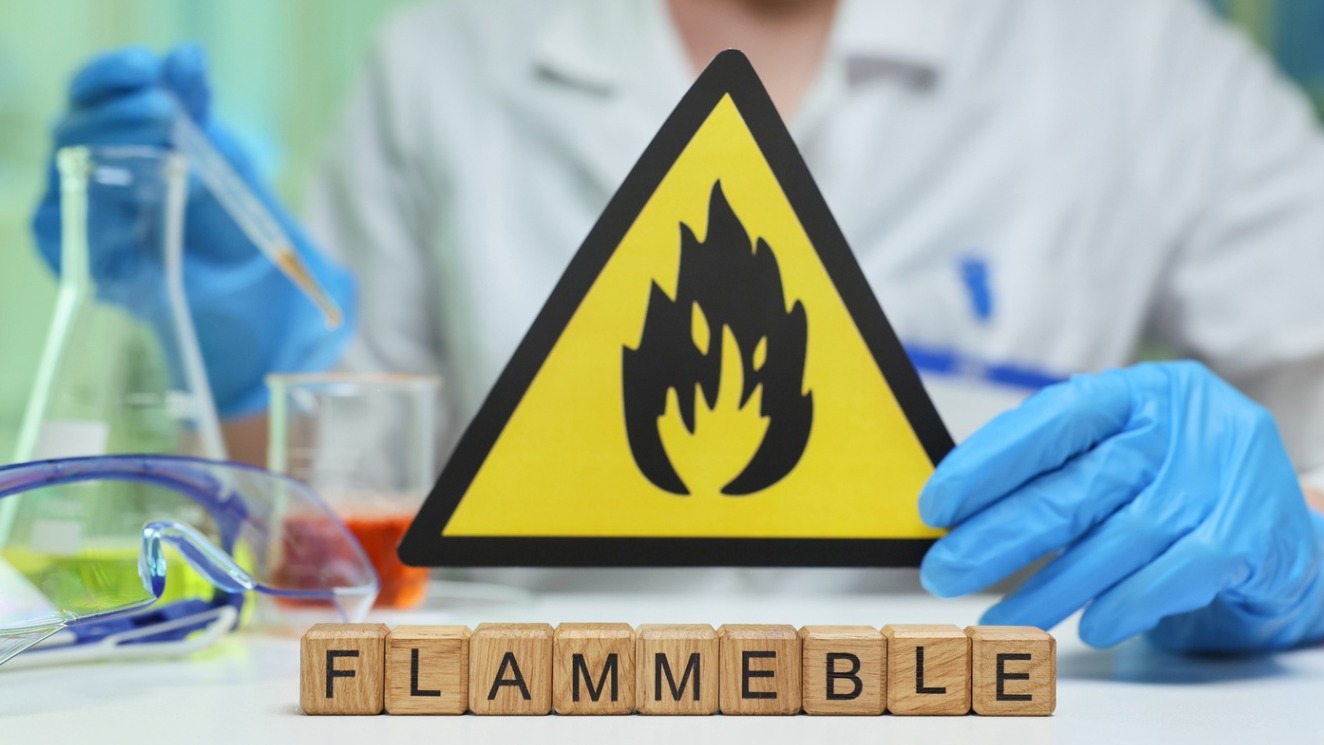
flammable storage
Definition
Flammable storage is the specialized warehousing and handling of flammable or combustible materials by a third‑party logistics provider on behalf of clients. It requires segregated, fire‑rated storage areas, approved containers and shelving, trained staff, fire suppression and ventilation systems, and adherence to regulatory permits and safety standards to minimize risk during storage and distribution.
Overview
Overview
For warehouses, workshops, and other facilities, flammable storage is part technical setup and part people behavior. Best practices combine compliant equipment with smart layout and consistent procedures. The goal is to safely manage inventory without disrupting operations.
Plan your layout with safety first
Start by grouping all flammable materials and identifying potential ignition sources nearby. Good layout choices include storing flammables away from high-traffic areas and mechanical equipment, keeping them off direct sunlight, and positioning cabinets and rooms so that emergency responders can access them. Maintain required clearance distances from exits, stairs, and fire protection equipment as required by local codes.
Choose the right containers and cabinets
- Safety cans: Use for small workbench needs. These cans have spring-closing lids and spouts to reduce spills and vapor release.
- Flammable storage cabinets: Choose cabinets certified to standards such as NFPA 30 or EN norms. Cabinets are sized by the volume they are rated to hold; select one appropriate for your daily and bulk storage needs.
- Drum storage: Use drum spill pallets and secondary containment to control leaks. Drums should be secured to prevent tipping and labeled clearly.
Segregation and compatibility
Not all hazardous materials can be stored together. Oxidizers, acids, bases, and flammables often have incompatibilities that can cause fires or violent reactions. Use compatibility charts and the SDS to plan segregated areas or separate cabinets. In many facilities, color-coding and clear signage help workers quickly identify storage zones.
Ventilation and vapor control
Vapor buildup is a major hazard. Passive ventilation may be sufficient for small cabinets, but storage rooms and larger spaces often require mechanical ventilation sized to dilute vapors and meet code requirements. Avoid cross-drafts that could spread vapors to ignition sources. Bonding and grounding are critical for flammable liquids with low flash points, especially during transfer operations, to avoid static discharge.
Fire protection and detection
Install appropriate fire detection systems and ensure fire suppression equipment is nearby and suitable for flammable-liquid fires (Class B). Automatic sprinklers, portable extinguishers rated for flammable liquids, and clear access paths are essential. Coordination with your local fire department will ensure your chosen systems meet both code and operational needs.
Inventory control and storage limits
Use inventory management to minimize onsite volumes. Warehouse software or a simple control board can track amounts and trigger reorder points so excess stock does not accumulate. Many codes specify maximum allowable quantities per cabinet and per building area; keep records and conduct periodic audits to verify compliance.
Spill prevention and response
Spill kits should be located near flammable storage areas and stocked with absorbents, neutralizers (if appropriate), and PPE. Train staff in containment, cleanup, and waste disposal procedures. Emergency response plans should include shutoff procedures for mechanical equipment and clear reporting lines.
Training and standard operating procedures (SOPs)
Consistent training transforms rules into safe habits. Create short SOPs for daily handling, transfer, inventory checks, and emergency actions. Include hands-on drills for spill response and fire extinguisher use. Make SDS documents readily available and include them in onboarding.
Maintenance and inspections
Set routine checks for cabinet integrity, container condition, ventilation systems, and fire detection equipment. Replace rusted or damaged cabinets and return leaking containers to suppliers. Keep inspection logs and remedial action records to support compliance audits.
Practical example
A regional distribution center implemented best practices by installing two NFPA-rated cabinets near the packing area, limiting shelf stock to a single shift's quantity, and routing transfers through a dedicated spill tray and bonding clamp station. They also added a weekly inspection checklist and a quarterly refresher for staff. The result: fewer near-misses and smoother audits.
Tips for smaller operations
- Start with one well-maintained cabinet and a basic SOP rather than trying to retrofit a whole facility at once.
- Use vendor take-back programs for old drums and hazardous waste instead of temporary onsite storage.
- Document everything: inventories, training, inspections, and incidents help identify trends and justify investments.
Closing thought
Best practices for flammable storage are practical and scalable. Whether you run a small workshop or a large warehouse, combining approved equipment, sensible layout, and ongoing training delivers safer operations and lower risk of costly incidents.
Sources And Additional Reading (3)
- Flammable Liquids - 1910.106
“Flammable Liquids - 1910.106.” OSHA, https://www.osha.gov/laws-regs/regulations/standardnumber/1910/1910.106.
- Hazardous Materials Regulations
“Hazardous Materials Regulations.” PHMSA, https://www.phmsa.dot.gov/standards-rulemaking/hazmat/hazardous-materials-regulations.
- NFPA 30: Flammable and Combustible Liquids Code
“NFPA 30: Flammable and Combustible Liquids Code.” NFPA, https://www.nfpa.org/codes-and-standards/nfpa-30-standard-development/30.
More from this term
Looking for a 3PL?
Compare warehouses on Racklify and find the right logistics partner for your business.