
FOB vs. FCA: Choosing the Right Term for Containerized Cargo
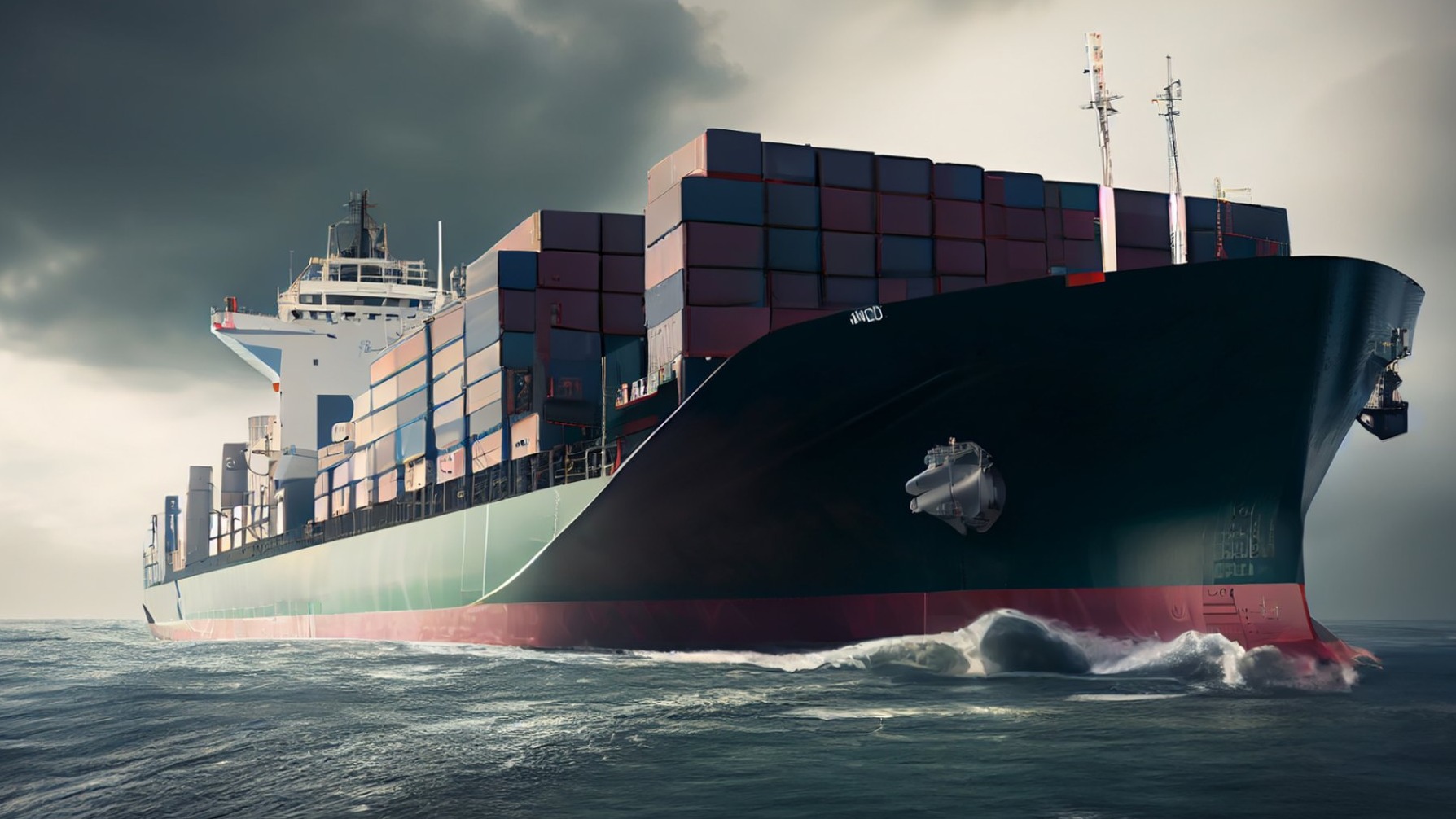
Free on Board (FOB)
Definition
Free on Board (FOB) is a shipping term meaning the seller delivers goods and loads them onto the buyer's vessel at the named port of shipment. The seller bears costs and risk until the goods are on board; the buyer assumes responsibility for freight, insurance, and risk from that point.
Overview
Overview
Containerized cargo changed the mechanics of maritime trade and with it the practical application of Incoterms. While FOB (Free on Board) remains widely used in traditional sea carriage of bulk or break‑bulk goods, FCA (Free Carrier) is the technically correct and safer choice for most containerized shipments. The distinction matters because the point at which costs, risks, and responsibilities pass between seller and buyer differs under the two terms, and container handling practices can create legal and operational gaps when the wrong term is used.
Why the distinction matters
Incoterms allocate costs and risk transfer points. For FOB the seller’s obligation is to deliver goods on board the named vessel at the port of shipment; the risk passes to the buyer as the goods cross the ship’s rail (or are loaded on board). For FCA the seller delivers the goods, cleared for export, to a carrier or another party nominated by the buyer at a named place. Containers introduce an intermediate step: goods are packed into shipping containers and typically delivered to a container terminal or carrier’s facility where the container is loaded onto a vessel by the carrier.
Practical problem with using FOB for containers
When parties try to apply FOB to containerized cargo, a core operational mismatch appears: the seller does not physically load the container on board the vessel — the carrier or terminal does. This can create ambiguity about when the goods are “on board” for issuance of an on‑board bill of lading (B/L), which many buyers require for documentary collection or to obtain title. Disputes often arise where the carrier issues a bill of lading after receiving the container at terminal, but that document does not clearly mirror the seller’s FOB obligation, leaving sellers exposed to claims that they did not deliver “on board.”
Legal and commercial risk
Misusing FOB can trigger several risks:
- Contractual mismatch: Documents the buyer expects (e.g., on‑board B/L) may be out of the seller’s control.
- Timing risk: Risk transfer may occur at a different point than the documentary evidence indicates, exposing either party to loss.
- Carrier/terminal liabilities: Claims can arise for damage or loss during container stuffing, terminal handling, or stowage that are difficult to allocate under an FOB clause.
- Insurance gaps: If parties assume risk transfers earlier or later than actually documented, cargo insurance coverage can be misaligned.
Why FCA is the technically correct choice for containerized shipments
FCA explicitly contemplates delivery to a carrier at a named place and is therefore a better fit where the seller hands over already packed containers to the carrier or its agent at a port, container yard, or warehouse. Under FCA the seller’s obligation is satisfied when the goods are delivered, cleared for export, to the carrier at the named place — which is exactly how container transactions are performed. It aligns legal risk transfer with operational reality and gives both parties clarity on who controls the bill of lading process.
Documentary implications and bills of lading
Under FCA, buyers frequently request an “on‑board” wording on the bill of lading to secure title. Practically this is handled in one of two ways:
- Buyer arranges the sea carriage and the carrier issues the bill of lading directly to the buyer; or
- If the seller must arrange carriage, the parties agree contractually that the seller will procure an on‑board bill of lading or a carrier’s receipt that reflects the actual handover point, or use an electronic equivalent agreed by both.
Because the seller can seldom control a carrier’s issuance practices, FCA with explicit documentary arrangements reduces disputes. Conversely, attempting to force FOB mechanics onto container shipments often leads to letters of indemnity, documentary inconsistencies, or legal disputes.
Best practices for Incoterm selection and contract drafting
- Default to FCA for containerized exports: Name the precise place of delivery (e.g., “FCA Port of Shanghai, Carrier’s Container Yard”).
- Specify who will arrange main carriage and issuance of transport documents: state whether the buyer or seller contracts the ocean carrier and who receives the bill of lading.
- Document the expected form of transport document: if an on‑board bill of lading is required, include a clear obligation and time window for issuance and acceptance.
- Align insurance obligations: specify who procures cargo insurance and the coverage period corresponding to the Incoterm risk transfer point.
- Address container stuffing and sealing responsibilities: define who stuffs, seals, inspects, and provides photos or packing reports to avoid disputes on condition at handover.
- Include contingency provisions: if the carrier refuses to issue an on‑board bill of lading, require alternative documentation or an agreed indemnity framework to resolve title transfer.
Operational checklist for shippers and buyers
- Confirm whether goods are containerized; if yes, avoid defaulting to FOB without negotiation.
- Choose FCA and specify exact named place (e.g., seller’s yard, container depot, terminal gate).
- Agree who will obtain and pay for the ocean contract and bills of lading.
- Ensure export customs clearance responsibilities are set out clearly.
- Coordinate seals, stuffing supervision, and condition reporting.
- Match cargo insurance to the Incoterm risk transfer point.
Example scenarios
1) Seller in Vietnam delivers loaded container to carrier’s terminal and obtains a carrier’s receipt. Buyer requires an on‑board bill of lading to release goods at destination. Under FOB this can become problematic because the seller cannot guarantee issuance timing; under FCA the contract can specify that the buyer will nominate the carrier or that the seller will use reasonable efforts to obtain the required documents and will notify the buyer promptly.
2) Bulk wheat loaded directly into a ship’s hold qualifies for FOB: the seller physically loads the cargo on board and risk shifts when the goods pass the ship’s rail — this traditional FOB use remains appropriate.
Mitigating legal risk
Clarity in the contract is the most effective mitigation. Use Incoterms 2020 (or later versions) and explicitly state the named place for FCA. Where an on‑board bill of lading is commercially necessary, allocate the obligation and remedies, and consider using a documentary collection protocol or escrow mechanism to protect both parties. Maintain accurate evidence of delivery, stuffing, and handover, such as terminal receipts, gate-in records, photographic evidence, and carrier receipts.
Summary
For containerized cargo, FCA better reflects modern operations and reduces legal and documentary risk compared with FOB. FOB should be reserved for shipments where the seller genuinely delivers cargo on board the vessel (bulk, break‑bulk). Where parties insist on FOB for containers, they should expressly document how on‑board bills of lading, risk transfer, and insurance will be handled to avoid costly disputes.
Sources And Additional Reading (3)
- Incoterms® Rules
“Incoterms® Rules.” International Chamber of Commerce, https://iccwbo.org/business-solutions/incoterms-rules/.
- Common Export Documents
“Common Export Documents.” International Trade Administration, https://www.trade.gov/common-export-documents.
- Importing Into the United States
“Importing Into the United States.” U.S. Customs and Border Protection, https://www.cbp.gov/trade/basic-import-export/importing-into-us.
More from this term
Looking for a 3PL?
Compare warehouses on Racklify and find the right logistics partner for your business.