
From Data to Delivery: How IoT Telemetry is Transforming Logistics
IoT Telemetry
Definition
IoT telemetry is the automated collection and transmission of sensor and device data from internet-connected objects to remote systems for monitoring, analysis, and control. It delivers real-time measurements (for example temperature, location, or status) over networks to cloud or edge platforms, enabling alerts, analytics, and informed operational decisions.
Overview
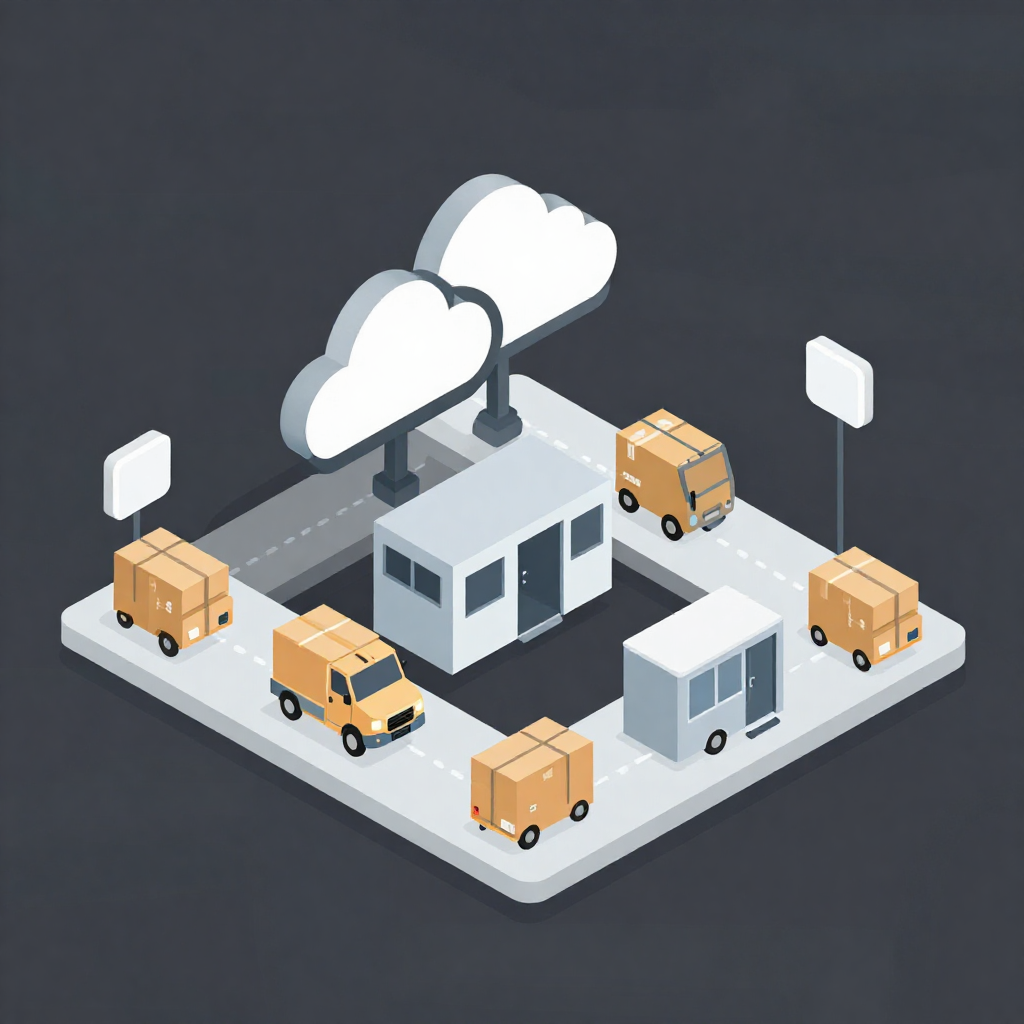
What IoT telemetry means in plain terms
IoT telemetry refers to the continuous capture and remote transmission of data from sensors attached to physical objects. In logistics, those objects can be trucks, containers, pallets, warehouse racks, conveyers, or individual packages. Telemetry takes measurements (location, temperature, humidity, shock, door-open events, fuel level, engine diagnostics, etc.) and sends them over a network to software systems so people or automated processes can see the current state, spot trends, and take action.
How the telemetry data flows — the basic architecture
At a simple level the telemetry lifecycle in logistics follows these steps:
- Sensing: Small sensors or telematics units record physical parameters (GPS, temperature probes, accelerometers, RFID readers, vehicle CAN-bus data).
- Edge/Local aggregation: A gateway, on-device processor, or smartphone aggregates readings, filters noise, and may run simple logic (e.g., only report changes beyond a threshold).
- Connectivity: Data is transmitted via cellular (2G/3G/4G/5G), LoRaWAN, NB-IoT, Wi‑Fi, or satellite, depending on range and bandwidth needs.
- Cloud or on-premise ingestion: Telemetry streams are received, stored, and indexed in platforms designed to handle time-series and event data.
- Processing and analytics: Rules, dashboards, alerts, and machine learning models convert raw telemetry into insights (ETA updates, temperature excursions, predictive maintenance flags).
- Action: Alerts, automated workflows, rerouting, or maintenance tickets trigger human or automated responses.
Common telemetry use cases in logistics
- Real-time fleet tracking: GPS and vehicle telematics provide location, speed, and driving behavior so planners can update ETAs, plan dynamic routes, and reduce idle time.
- Cold chain monitoring: Temperature and humidity sensors on pallets or inside containers ensure perishable goods remain within safe ranges. Telemetry enables immediate alerts and documented compliance for audits.
- Asset and pallet tracking: Low-power trackers or RFID readers report where high-value assets are inside yards or en route, reducing loss and speeding locating operations.
- Condition monitoring: Vibration and shock sensors detect rough handling; door/open sensors catch unauthorized access; useful for insurance claims and improving packaging.
- Predictive maintenance: Engine and equipment telemetry (hours of operation, oil pressure, temperature) helps predict failures and schedule maintenance before breakdowns.
- Warehouse automation and safety: Environmental sensors monitor air quality or temperature in sensitive zones; location sensors optimize putaway and picking by understanding real-time asset placement.
Why telemetry matters for logistics — benefits you can expect
- End-to-end visibility: Instead of guessing where shipments are or their condition, teams can see status in near real-time, improving customer communication and exception handling.
- Faster, smarter decisions: Telemetry enables dynamic routing, load consolidation, and faster resolution of incidents (e.g., swap refrigeration units or reroute a load after a temperature breach).
- Lower costs and waste: By reducing spoilage, optimizing routes, and preventing downtime through predictive maintenance, telemetry delivers measurable savings.
- Compliance and proof: Continuous logs provide records required for regulated goods (pharmaceuticals, food), simplifying audits and claims.
- Customer experience: Accurate ETAs and condition reporting reduce disputes and build trust with recipients.
Real-world examples (simple, relatable scenarios)
- Pharmaceutical shipments equipped with temperature sensors trigger an alert when a refrigerator trailer’s setpoint drifts; operations can swap loads before product spoilage and maintain compliant logs for regulators.
- A 3PL fits pallets with low-cost BLE trackers. When a customer calls asking where an urgent pallet is, warehouse staff can locate it within minutes instead of searching aisles.
- Fleet managers use telematics to detect a truck’s engine fault code; a scheduled maintenance appointment is created automatically, avoiding a roadside breakdown that would delay multiple deliveries.
Beginner-friendly implementation guidance — where to start
- Define clear goals: Start with one measurable outcome — reduce on-time delivery misses, cut spoilage by X%, or reduce idling hours — and choose telemetry to support that goal.
- Choose the right sensors and connectivity: Not every asset needs high-frequency GPS. Pick sensor types and transmission intervals that match the business need to control costs and battery life.
- Pilot before scaling: Run a small pilot on a lane, a vehicle class, or a warehouse zone to validate sensors, rules, and workflows.
- Integrate with existing systems: Connect telemetry outputs to TMS, WMS, ERP, or alerting tools so data becomes part of daily workflows, not another dashboard people ignore.
- Plan for security and data governance: Secure devices and networks, define who can see what data, and store telemetry according to privacy and regulatory requirements.
Common mistakes to avoid
- Collecting everything indiscriminately: Flooding systems with high-frequency data that nobody uses increases costs and complexity. Collect what matters.
- No defined response plan: Telemetry without clear alerting and remediation processes just creates noise. Define who acts on which alerts and how.
- Poor device lifecycle planning: Failing to consider battery replacement, firmware updates, or device disposal leads to gaps and security risks.
- Ignoring interoperability: Choosing proprietary systems that don’t integrate with core platforms limits value and makes scaling expensive.
Challenges and considerations
Key trade-offs include battery life vs. reporting frequency, cellular costs vs. coverage needs, and edge processing vs. sending raw data to the cloud. Security and privacy are ongoing concerns — devices should be authenticated, firmware updated, and sensitive data encrypted in transit and at rest. Finally, plan for data quality: sensor calibration, validation rules, and routine audits keep telemetry trustworthy.
Where telemetry is headed
Advances in edge computing, wider 5G and low-power wide-area networks, and more powerful AI models will push telemetry from passive reporting to real-time autonomous decisions (e.g., automated rerouting, smart refrigeration controllers that adjust to conditions). Digital twins — live virtual models of shipments or warehouses — will let planners simulate outcomes before taking action, improving resilience and efficiency.
Summary
IoT telemetry converts physical events into data-driven actions across logistics operations. For beginners, the practical path is straightforward: identify a clear problem, pilot suitable sensors and connectivity, integrate telemetry into operational systems, and establish response processes. Done well, telemetry reduces waste, improves service, and makes supply chains more transparent and resilient.
Sources And Additional Reading (3)
- IoT for Supply Chain
“IoT for Supply Chain.” IBM, https://www.ibm.com/topics/internet-of-things.
- AWS IoT
“AWS IoT.” Amazon Web Services, https://aws.amazon.com/iot/.
- Industrial IoT
“Industrial IoT.” Microsoft, https://www.microsoft.com/en-us/industry/manufacturing/microsoft-cloud-for-manufacturing.
More from this term
Looking for a 3PL?
Compare warehouses on Racklify and find the right logistics partner for your business.