
FTZ (Foreign Trade Zone) Status — What It Is and Why It Matters
FTZ (Foreign Trade Zone) Status
Definition
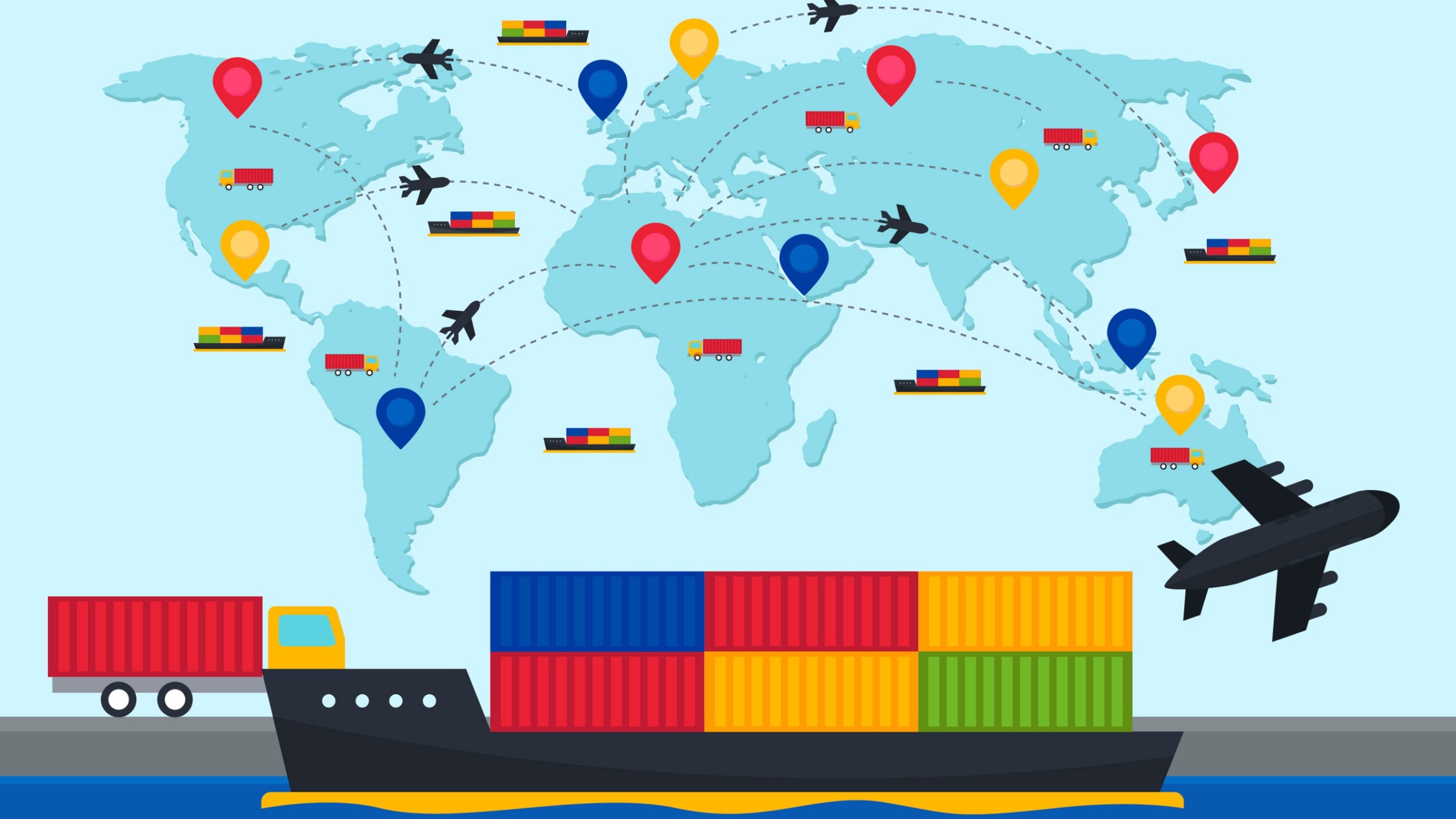
FTZ (Foreign Trade Zone) Status indicates that goods are held or processed in a designated area where they are treated as outside the country's customs territory for duty purposes. This status allows importers and manufacturers to defer, reduce, or avoid customs duties and simplifies customs procedures for storage, manufacturing, and re-export.
Overview
Overview and definition
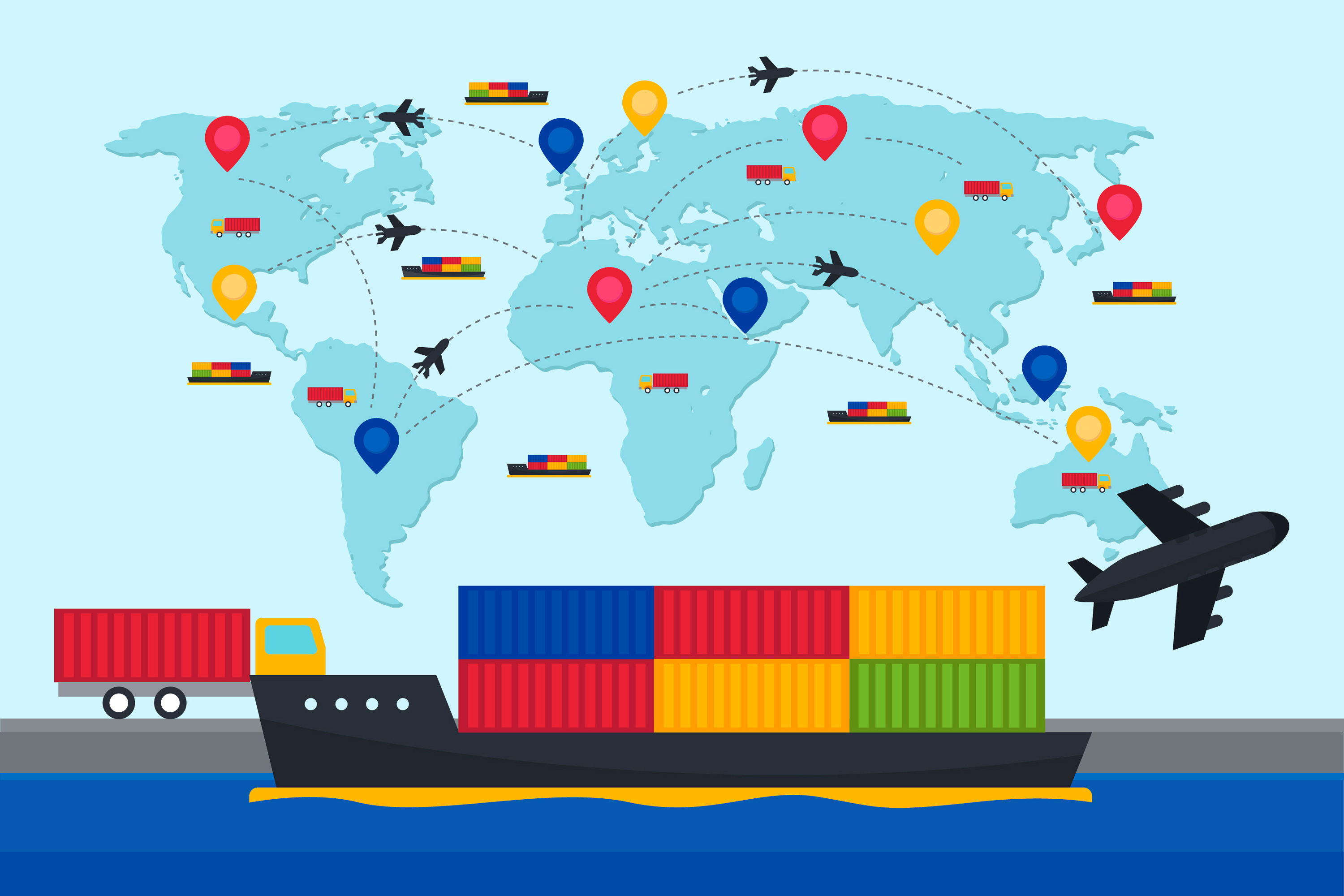
FTZ (Foreign Trade Zone) Status denotes an official designation that allows a geographically defined area to operate under special customs rules. In practice, goods admitted into a zone are treated as if they are outside the customs territory of the host country until they are formally entered for domestic consumption or exported. This status enables duty deferral, potential duty reduction, simplified customs procedures, and operational flexibility for manufacturing, distribution, and logistics activities.
Legal and regulatory basis
Foreign trade zone programs are established by national customs authorities or trade boards and governed by a combination of statutes, regulations, and administrative rulings. For example, the U.S. Foreign-Trade Zones Board administers the FTZ program under the Foreign-Trade Zones Act, while other countries manage equivalent bonded or free zone regimes with local rules on admission, storage, processing, and re-export. Zone operators must maintain compliance with customs requirements, security standards, and recordkeeping to retain FTZ (Foreign Trade Zone) Status.
Types of zones under FTZ Status
Zones can be structured to match different business needs.
Common models include:
- General-purpose zones — multi-tenant facilities where third-party operators provide storage, repacking, and distribution services to multiple users.
- Subzones — single-user sites approved for a particular company’s manufacturing or import/export operations, often used where the company needs dedicated infrastructure or processes.
- Port-centric or warehouse-based zones — located at or near ports and airports to support rapid cross-border movements.
Primary benefits of FTZ (Foreign Trade Zone) Status
Companies and logistics providers pursue FTZ status for several strategic and operational advantages:
- Duty deferral: Import duties are deferred until goods leave the zone for domestic consumption, improving cash flow.
- Duty reduction and elimination: If imported inputs are used to manufacture goods that are exported, duties on the inputs may be eliminated. Additionally, companies can elect inverted tariff treatment — paying the lower duty rate applicable to the finished product rather than higher duties on components.
- Simplified customs procedures: Zones can allow consolidated and streamlined entries, reducing paperwork and time at the border.
- Inventory control and logistics efficiency: Operations in an FTZ can consolidate multiple shipments, perform value-added activities (kitting, labeling, minor assembly), and hold inventory without immediate customs entry.
- Cost savings: Reduced duties, lower inventory carrying costs, and operational efficiencies can materially lower landed costs.
Operational uses and examples
FTZ (Foreign Trade Zone) Status is commonly used for distribution hubs, light manufacturing or assembly, reverse logistics, and high-value or duty-sensitive goods.
Examples include:
- A fashion retailer importing garments for seasonal sales — using an FTZ to hold inventory until demand materializes, deferring duties and reducing returns complexity.
- An electronics manufacturer importing components for assembly — electing inverted tariff treatment to reduce duty on complex imported inputs.
- A third-party logistics (3PL) warehouse at a seaport operating as a general-purpose FTZ — providing customers with bonded storage, labeling, and cross-docking services without immediate customs entry.
When FTZ status is most valuable
FTZ (Foreign Trade Zone) Status provides the most value under certain conditions:
- High duty rates on imported components relative to finished goods.
- Seasonal sales patterns where deferring duties until sale significantly improves cash flow.
- Operations that require value-added processing such as assembly, kitting, or packaging.
- Complex supply chains requiring consolidation, staging, or return processing.
Limitations, costs, and trade-offs
FTZ status is not a universal solution.
Considerations include:
- Application and compliance costs: Initial application, bond requirements, customs audits, and ongoing recordkeeping impose administrative burdens and costs.
- Regulatory constraints: Certain goods may be restricted or subject to licensing, anti-dumping duties, or other trade remedies that limit FTZ benefits.
- Geographic and operational fit: For businesses far from existing zones or without sufficient volume, the financial benefit may not offset setup and operating costs.
Integration with technology and operations
Effective use of FTZ status requires integrated systems for inventory, customs documentation, and security. Warehouse Management Systems (WMS) that support FTZ logic, electronic customs filing, and robust audit trails are essential. Service-level agreements with bonded operators and clear processes for goods admitted, transformed, and entered into domestic commerce ensure compliance and performance.
Key compliance and risk considerations
Maintaining FTZ (Foreign Trade Zone) Status demands rigorous controls: accurate manifesting and classification, timely customs entries, security measures for inbound and outbound movements, and readiness for customs audits. Misclassification of goods, inadequate recordkeeping, or improper use of duty exemptions can trigger penalties, back duties, or revocation of zone privileges.
Practical next steps for businesses
To evaluate FTZ status, companies should:
- Conduct a duty and landed-cost analysis to quantify potential savings.
- Assess logistics flows to determine whether proximity to existing zones or subzone approval is required.
- Engage with a zone operator, customs broker, or consultant to map application requirements, timelines, and costs.
Conclusion
FTZ (Foreign Trade Zone) Status is a strategic tool that combines customs flexibility with operational benefits to reduce costs and optimize cross-border flows. When applied thoughtfully — with attention to compliance, systems integration, and commercial fit — FTZs can be a powerful lever for importers, manufacturers, and logistics providers seeking competitive advantage in global trade.
Sources And Additional Reading (3)
- Foreign Trade Zone Locations
“Foreign Trade Zone Locations.” U.S. Customs and Border Protection, https://www.help.cbp.gov/s/article/Article-1058?language=en_US.
- About Foreign-Trade Zones
“About Foreign-Trade Zones.” International Trade Administration, https://www.trade.gov/about-ftzs.
- Foreign-Trade Zones Board
“Foreign-Trade Zones Board.” International Trade Administration, https://www.trade.gov/foreign-trade-zones-board.
More from this term
Looking for a 3PL?
Compare warehouses on Racklify and find the right logistics partner for your business.