
Fuel Surcharge Strategies for Smarter Logistics Planning
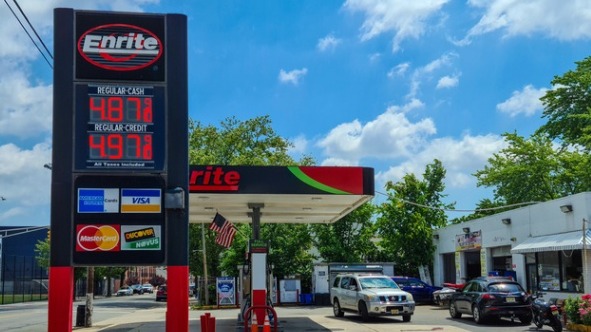
Fuel Surcharge
Definition
A fuel surcharge is an additional fee charged by carriers and transport providers to offset fluctuations in fuel costs. It is typically calculated as a percentage of the base freight rate or as a per-mile/ton charge and is adjusted periodically based on fuel price indexes.
Overview
Fuel surcharge is an extra fee applied to transportation charges to offset changes in fuel costs. Unlike base freight rates, which may be set in contracts for a period of time, fuel surcharges are designed to vary as fuel prices rise or fall so carriers can protect margins without renegotiating the entire rate structure.
For beginners, think of a fuel surcharge as a way to keep freight pricing fair and responsive: when fuel becomes more expensive, the surcharge increases to share that cost; when fuel drops, the surcharge goes down so shippers aren’t overpaying.
Why fuel surcharges matter
- They stabilize carrier finances: carriers avoid sudden margin erosion when fuel spikes.
- They preserve predictable base rates: shippers and carriers can agree on core service pricing and let fuel costs float independently.
- They encourage transparency: using a published index or formula makes it clear how adjustments are calculated.
Common ways fuel surcharges are calculated
- Index-based percentage: A widely used national or regional diesel price index (for example, government or industry fuel-price indices) maps fuel price ranges to surcharge percentages (e.g., $3.00–$3.25/gallon = 4% surcharge).
- Percentage of freight charges: A simple percentage added to the invoice that changes as the index moves.
- Per-mile or per-kilometer: A cents-per-mile fee applied to each mile of transport, useful for long-haul contracting and easier to reconcile for mileage-based billing.
- Tiered brackets: Predefined brackets of fuel price that trigger fixed surcharge levels, simplifying administration and negotiation.
Fuel surcharge strategies for smarter logistics planning
Designing and applying fuel surcharge policies thoughtfully reduces cost volatility, improves carrier relationships, and simplifies accounting. Below are practical strategies that beginner logistics planners can adopt.
- Use a clear, industry-recognized index: Tie your surcharge to a transparent public index (government diesel price, regional refinery index, or an industry publication). This reduces disputes and creates predictable triggers.
- Choose an appropriate calculation method: Match the method to your business model. Percentage-based surcharges are common for parcel and LTL; per-mile works well for long-haul trucking and contract carriers.
- Set caps and floors: Negotiated maximum and minimum surcharge levels limit exposure for both parties—protecting shippers from runaway fees and carriers from absorbing extreme spikes.
- Build review cadence into contracts: Include scheduled reviews (quarterly or semi-annually) to reassess the surcharge mechanism and fuel market trends.
- Automate tracking and billing: Use TMS/WMS or invoicing tools that integrate fuel indices and apply surcharges automatically to invoices, reducing errors and administrative effort.
- Align incentives with carriers: Consider shared-risk approaches—e.g., split the volatility range between shipper and carrier—to encourage efficiency and collaboration.
- Optimize mode and routing: Where possible, shift shipments to more fuel-efficient modes (rail for long distances) or consolidate loads to lower overall fuel exposure.
- Hedge fuel where appropriate: Large shippers and carriers sometimes use financial hedges or fuel cards to lock in prices; this is more advanced but can stabilize costs in volatile markets.
Implementation best practices
- Document the formula: Clearly include the index source, effective dates, calculation steps, billing frequency, and rounding rules in service agreements.
- Communicate changes promptly: Notify partners when index movements will change the surcharge and supply example calculations for transparency.
- Audit regularly: Reconcile fuel surcharge line items on invoices against your agreed formula and the referenced index to catch mistakes early.
- Train staff: Ensure sales, procurement, and billing teams understand how surcharges are applied so they can explain them to customers or carriers.
Common mistakes to avoid
- No clear index or formula: Ambiguous surcharge language invites disputes and ad-hoc negotiation.
- Failing to review periodically: Market conditions change; outdated brackets or caps can unfairly favor one party.
- Lack of automation: Manual calculations and billing increase errors and slow invoicing.
- Ignoring total landed cost: Focusing only on the surcharge can miss opportunities to reduce overall fuel consumption via consolidation, routing, or modal shifts.
Simple example
Imagine a carrier uses a diesel index where each $0.10/gallon increase above $3.00 adds 0.5% to the surcharge. If diesel is $3.40, that’s four increments of $0.10 → 4 × 0.5% = 2% surcharge. On a $1,000 freight invoice, the fuel surcharge would be $20.
When to use alternative approaches
- Short-term contracts or spot lanes: A per-mile or flat cents-per-mile surcharge may be simpler and faster to apply.
- High-volume, long-term relationships: Negotiated caps, floors, or shared-risk mechanisms can stabilize long-term pricing.
- Highly volatile markets: Consider more frequent adjustment intervals or hedging strategies to manage risk.
Technology and monitoring
Modern transportation management systems (TMS), invoicing platforms, and analytics tools can automate surcharge calculation, publish forecasts, and integrate alerts when indices cross predefined thresholds. These capabilities save time, improve accuracy, and give procurement teams better visibility into cost trends.
Quick checklist for beginners
- Choose a transparent fuel index and document it in contracts.
- Select a calculation method (percentage, per-mile, tiered) aligned with your logistics model.
- Negotiate caps/floors and review cadence with partners.
- Automate calculations through your TMS or billing system.
- Monitor and audit surcharge line items regularly.
Fuel surcharges are a practical tool to manage fuel-price volatility while keeping core freight rates stable. With clear formulas, transparent communication, and the right technology, both shippers and carriers can use surcharges to create fair, predictable pricing that supports smarter logistics planning.
Sources And Additional Reading (3)
- Fuel Surcharge
“Fuel Surcharge.” UPS, https://www.ups.com/us/en/support/shipping-support/shipping-costs-rates/fuel-surcharges.
- Fuel Surcharge
“Fuel Surcharge.” FedEx, https://www.fedex.com/en-us/shipping/fuel-surcharge.html.
- Gasoline and Diesel Fuel Update
“Gasoline and Diesel Fuel Update.” U.S. Energy Information Administration, https://www.eia.gov/petroleum/gasdiesel/.
More from this term
Looking for a 3PL?
Compare warehouses on Racklify and find the right logistics partner for your business.