
Fuel Surcharge vs Base Rate: Who Pays and How It Affects Freight Costs
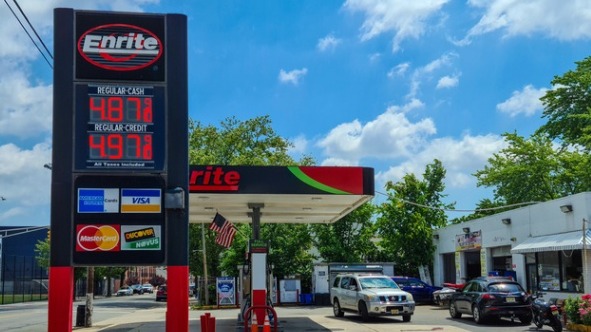
Fuel Surcharge
Definition
A fuel surcharge is an additional fee charged by carriers and transport providers to offset fluctuations in fuel costs. It is typically calculated as a percentage of the base freight rate or as a per-mile/ton charge and is adjusted periodically based on fuel price indexes.
Overview
Fuel Surcharge A variable transportation charge intended to account for fuel costs. It is separated from the base freight rate to allow carriers to adjust for volatile fuel markets without renegotiating fixed pricing frequently.
Splitting total freight into a base rate plus a fuel surcharge changes incentives and accounting. For shippers it clarifies what portion of a freight bill is tied directly to fuel; for carriers it protects margins. But the split also affects how discounts, accessorials, and minimum charges are calculated and who ultimately bears fuel risk.
Why The Distinction Matters
Base rates cover fixed and semi-fixed costs: equipment, driver wage, maintenance, insurance, terminal overhead. Fuel surcharges recover variable fuel expense which fluctuates with market prices. Treating them separately allows both parties to manage different kinds of volatility.
- Budgeting: Shippers can forecast fixed base spend separately from fuel exposure and hedge or budget appropriately.
- Contract Stability: Carriers retain predictable base margins while being able to pass through fuel cost swings.
- Regulatory And Tax Reporting: Some jurisdictions and accounting treatments require clear separation for tax or disclosure purposes.
Who Pays The Fuel Surcharge?
Contract language determines payer responsibility. Most commercial contracts assign the fuel surcharge to the shipper, but negotiated freight terms, incoterms, and third-party arrangements change this allocation.
- Shipper Pays: The typical arrangement in North American truckload and LTL contracts — the shipper is billed the surcharge as an added line item.
- Carrier Absorbs: In some competitive tender wins or long-term contracts, carriers may absorb a portion of fuel volatility within the base rate.
- Third-Party Billing: Freight brokers and 3PLs can re-bill surcharges to shippers or include them inside bundled logistics fees.
How The Split Affects Discounts And Accessorials
Negotiation must be explicit about whether discounts and accessorial charges apply to the base rate only, the base plus surcharge, or just the linehaul.
- Discounts On Base Only: A percentage discount applied only to the negotiated base rate preserves surcharge pass-through but reduces the carrier's fixed revenue.
- Discounts On Total: Less common — reduces the shipper's fuel exposure but also reduces carrier recovery on fuel unless adjusted.
- Accessorial Calculation: Clarify if detention, lumper, or ORC fees are subject to fuel surcharge calculations to avoid disputes.
Accounting And Audit Implications
Clear separation simplifies month-end reconciliation. Accounts payable should match the surcharge line to the contract formula and the referenced index.
- Invoice Matching: Automate matching of the carrier's index reference to the invoice date to detect errors.
- GL Treatment: Some companies post fuel surcharges to a separate GL account for monitoring fuel-driven cost variance.
- Audits: Regularly audit historical surcharges for rounding, index selection, and lookback accuracy.
Practical Example
A shipper negotiates a $1,000 base for a TL move and agrees the fuel surcharge will be invoiced as a separate percentage tied to the EIA weekly diesel price. When diesel jumps, the surcharge increases, but the shipper still receives the benefit of a lower base rate negotiated earlier. If the shipper wants to cap volatility, they can negotiate a surcharge cap or an indexed smoothing method (e.g., three-week moving average).
Tips For Contracting
- Shippers: Ask for explicit language on whether discounts apply to surcharge, the index used, lookback, and any caps or floors.
- Carriers: Use clear, public indexes and standard tables to reduce disputes; consider regional indices for lanes with atypical fuel markets.
- Both: Agree on an audit frequency and a dispute resolution process for surcharge discrepancies.
In short, the Fuel Surcharge is a pass-through mechanism distinct from the base freight rate. How it is defined in contracts — the index, calculation method, and whether discounts or accessorials apply — determines who ultimately pays for fuel volatility and how that cost flows through billing and accounting systems.
Sources And Additional Reading (4)
- Gasoline and Diesel Fuel Update
“Gasoline and Diesel Fuel Update.” U.S. Energy Information Administration, https://www.eia.gov/petroleum/gasdiesel/.
- American Trucking Associations
“American Trucking Associations.” American Trucking Associations, https://www.trucking.org/.
- Federal Motor Carrier Safety Administration
“Federal Motor Carrier Safety Administration.” U.S. Department of Transportation — FMCSA, https://www.fmcsa.dot.gov/.
- Surface Transportation Board
“Surface Transportation Board.” Surface Transportation Board, https://www.stb.gov/.
More from this term
Looking for a 3PL?
Compare warehouses on Racklify and find the right logistics partner for your business.