
Fundamentals of Liquid Shipping and Modal Selection
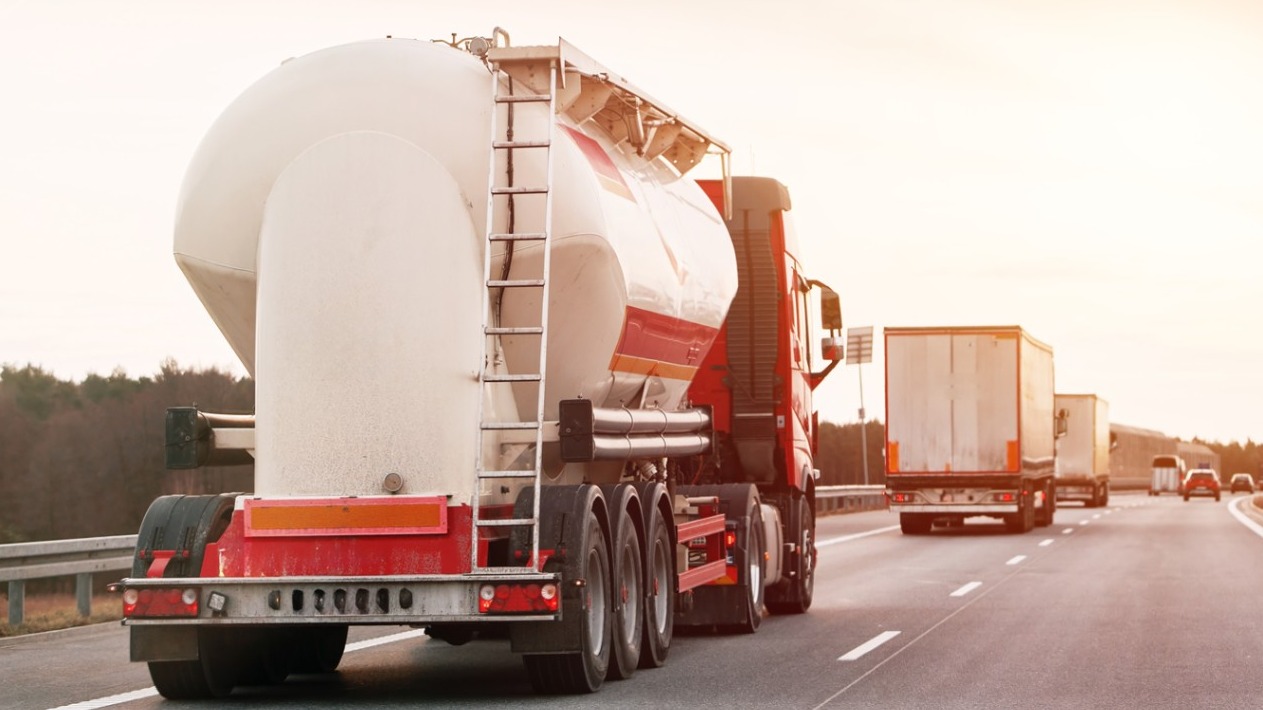
Liquid Shipping
Definition
Liquid shipping is the movement of liquid cargo, such as chemicals, fuels, edible oils, and beverages, using specialized equipment like tankers, ISO tank containers, and tank trucks. It includes loading, containment, temperature control, compatibility checks, and regulatory safety measures to prevent spills, contamination, and product degradation during transport.
Overview
Liquid shipping covers the planning, equipment, handling, documentation, and operational workflows required to move fluids—ranging from crude oil, refined petroleum products, and liquefied gases to chemicals, food-grade oils, and liquid agricultural commodities—safely and efficiently across land and sea. Unlike general cargo, liquids present unique physical, chemical, and regulatory challenges: they require dedicated containment (tankers, tank cars, tank trailers, ISO tanks, pipelines), specialized loading/unloading systems (pumps, vapour recovery, heating/cooling), and tailored procedures for cleaning, segregation, and emergency response.
At its core, liquid shipping integrates three broad domains: commodity characteristics, transport technology, and supply-chain context. Commodity characteristics include viscosity, volatility, flammability, corrosivity, biological sensitivity, and temperature sensitivity (e.g., LNG requires cryogenic handling, food-grade oils require sanitary practices). Transport technology refers to the specific tank and containment systems: ocean-going tankers (VLCCs, Suezmax, Aframax, product/chemical tankers), rail tank cars (various specifications by jurisdiction and commodity), and tank trailers for over-the-road (OTR) distribution, plus intermodal ISO tanks and flexible containers. Supply-chain context covers volumes, origin/destination nodes (refineries, terminals, factories, ports), transit times, frequency, and regulatory regimes.
Modal selection—the process of choosing ocean, rail, road, or pipeline—depends primarily on three practical variables: volume, transit velocity (how fast the product must move), and geography/route topology. Additional decisive factors include product hazard class, cost profile (both unit cost and total landed cost), terminal infrastructure availability, environmental and safety regulations, and service reliability. For example, ultra-high-volume, long-haul crude oil moves are typically best suited to ocean tankers or pipelines; mid- to high-volume cross-continental moves often use rail tank cars; and regional distribution or direct feed to production lines is usually handled by tank trailers.
Key operational considerations that influence fundamentals and modal choice:
- Containment compatibility: Materials of construction must be compatible with the liquid to avoid contamination or corrosion. Food-grade products demand stainless steel and sanitary fittings; corrosive chemicals require special linings or exotic alloys.
- Loading/unloading infrastructure: Terminal tank farms with pumps, meters, loading arms, vapor recovery units, and safety systems are critical. If a route lacks compatible terminal infrastructure, intermodal transshipment or dedicated handling solutions are required.
- Temperature and pressure control: Many liquids require heating (heavy oils), insulation, or pressurization (LPG, ammonia) and reliable instrumentation to maintain product integrity en route.
- Segregation and contamination control: Tank cleaning, product tracing, and line flushing protocols are needed to prevent cross-contamination—especially for batch-sensitive chemicals or food-grade materials.
- Regulatory and documentation demands: Moving hazardous liquids requires adherence to maritime (IMDG Code), rail (RID/TI/49CFR), and road (ADR/49CFR) regulations, plus correct shipping papers, dangerous-goods declarations, SDS/MSDS, and appropriate placarding.
- Risk, safety and insurance: Spill risk, fire/explosion potential, and environmental exposure influence routing, insurance premiums, and contingency planning (e.g., double-hulled vessels, secondary containment at terminals).
Practical examples illustrate modal choice logic. Crude oil from the Middle East to Asia is typically moved by very large crude carriers (VLCCs) because unit economies are optimized at very high volumes and long distances. Refined products and parcels of chemical commodities are often carried on smaller product or chemical tankers that call multiple ports, enabling more flexible routing. In North America, long-haul movements of refined product between refineries and inland terminals commonly use tank cars or pipelines; the choice between rail and pipeline depends on capital availability, regulatory timelines, and delivery flexibility. For last-mile or direct factory resupply, tank trailers deliver smaller batches with speed and door-to-door capability.
Best practices for liquid shipping and modal selection:
- Quantify total landed cost: Evaluate not only unit transport cost but also inventory carrying costs, terminal fees, demurrage, tank cleaning, and spill-response liabilities.
- Match containment to commodity and route: Select tank specification (lined/unlined, pressure/cryogenic capability, sanitary finish) that matches product needs and regulatory requirements on all legs.
- Assess terminal ecosystem: Verify availability of compatible terminals, pump capacities, metering accuracy, and turnaround times to avoid bottlenecks.
- Plan for transshipment and intermodal handoffs: Where routes require mode changes, ensure reliable transfer systems and documentation to prevent contamination and delays.
- Embed safety and contingency planning: Include spill response contractors, insurance coverage, and route alternatives in contracts and SOWs.
- Leverage data and forecasting: Use demand forecasts to optimize batching, minimize deadhead moves, and reduce inventory held in transit.
Common mistakes to avoid include underestimating terminal availability and turnaround times, overlooking tank compatibility and cleaning needs between batches, ignoring regulatory variations across jurisdictions, and failing to account for the full cost of delays and demurrage. For shippers starting with liquid movements, a stepwise approach—assessing product properties, mapping existing infrastructure, running unit-cost and sensitivity analyses for candidate modes, and piloting small volumes on new routes—yields safer, more cost-effective decisions.
In summary, liquid shipping is a specialized discipline that blends commodity chemistry, heavy capital equipment, and operational rigor. Modal selection is not a single-variable decision; it is a matrix of volume, speed, geography, infrastructure, and risk appetite. Thoughtful alignment of containment technology, terminal readiness, regulatory compliance, and commercial terms will deliver safe, reliable, and economical liquid movements across global supply chains.
Sources And Additional Reading (3)
- Hazardous Materials Regulations
“Hazardous Materials Regulations.” PHMSA, https://www.phmsa.dot.gov/standards-rulemaking/hazmat/hazardous-materials-regulations.
- Dangerous Goods Regulations
“Dangerous Goods Regulations.” IATA, https://www.iata.org/en/programs/cargo/dgr/.
- IMDG Code
“IMDG Code.” International Maritime Organization, https://www.imo.org/en/publications/pages/imdg%20code.aspx.
More from this term
Looking for a 3PL?
Compare warehouses on Racklify and find the right logistics partner for your business.