
Hazmat Packaging — Salvage Packaging (Salvage Drums)
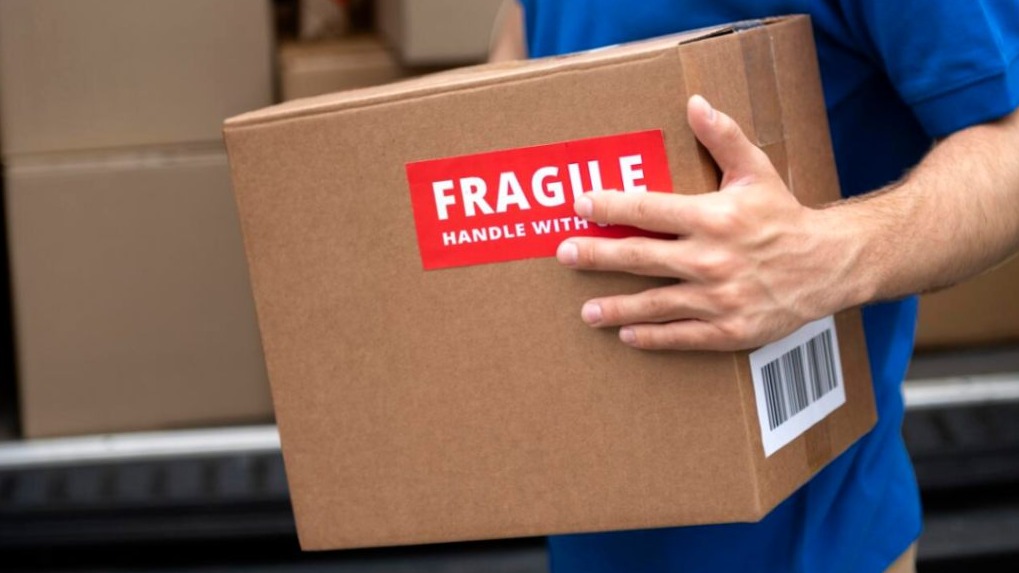
hazmat packaging
Definition
Hazmat packaging is specialized packaging designed to contain, protect, and safely transport hazardous materials, preventing leaks, spills, and reactions. It complies with regulatory standards (such as UN, DOT, and IATA) for construction, testing, labeling, and documentation to ensure safe handling, storage, and transport.
Overview
Definition and purpose
Salvage packaging is an emergency containment solution used when a hazardous materials (hazmat) package is damaged, leaking, or otherwise no longer safe in its original container. The most common form of salvage packaging is the salvage drum: an oversized, high-performance receptacle made from materials such as steel or heavy-duty polyethylene, engineered to receive the damaged inner package and prevent the release of hazardous contents during handling and transport. Salvage packaging stabilizes a situation, protects handlers and the environment, and enables safe movement to a facility where repair, repackaging, or disposal can occur.
Regulatory marking and 2026 protocols
Under the 2026 protocols for hazmat handling, salvage drums must be clearly and permanently marked with the word "SALVAGE" in letters at least 12 mm high. This marking communicates the nature of the package to handlers, carriers, emergency responders, and inspectors. Salvage drums are intended to meet stricter performance criteria than ordinary packaging: they are selected for chemical compatibility with the spilled or leaking substance, mechanical strength, and resistance to corrosion or impact.
When to use a salvage drum
- When a hazmat inner package is visibly leaking or has been compromised due to impact, corrosion, or other damage.
- When structural damage renders original packaging non-compliant with transport regulations or unsafe for handling.
- When an incident requires consolidation of unstable or damaged packages prior to transfer to a cleanup or disposal facility.
Key features of salvage drums
- Material: Typically steel for puncture and fire resistance, or polyethylene for corrosion resistance and chemical compatibility.
- Size and capacity: Oversized to accept the inner damaged package plus absorbents if needed; capacity chosen based on the expected volume of the damaged content.
- Sealing capability: Designed for secure closure to limit vapor release and spillage during transport.
- Compatibility: Selected based on known or suspected properties of the hazmat—acids, bases, and some solvents require specific material resistance.
- Marking: Must bear the clear "SALVAGE" marking (minimum 12 mm letters) and any other markings required by applicable regulations (e.g., UN numbers if applicable and not obscured).
Operational steps for using salvage packaging
- Assess the situation safely—establish appropriate PPE, cordon the area, and consult emergency response information (e.g., SDS, emergency response guidebook).
- Identify the hazardous class, UN number (if available), and any compatibility concerns; isolate incompatible materials.
- Choose a salvage drum that provides chemical compatibility, appropriate volume, and mechanical protection.
- Place absorbent materials inside the salvage drum if necessary to soak up free liquids and stabilize the inner package.
- Carefully transfer the damaged package into the salvage drum using tools or equipment to minimize manual handling; close and secure the drum according to manufacturer instructions.
- Mark the drum prominently with "SALVAGE" and record relevant information (content identification, date, incident description) on required documentation.
- Notify carriers and emergency responders and arrange transport to an approved facility for repair, repacking, or disposal.
Documentation and communications
Salvage operations require clear documentation. The salvage package should be accompanied by incident reports, identification of the primary hazard (UN number and proper shipping name if known), emergency contact information, and a description of the corrective measures taken. Notify carriers and authorities as required by local and international regulations; failure to declare salvage packaging and the nature of the incident can lead to regulatory penalties and safety risks.
Training and safety considerations
Personnel who assess, select, and place damaged hazmat into salvage drums must be trained in hazardous materials handling, use of appropriate PPE, spill control, and regulations governing transport of salvage packs. Because salvage packaging often deals with unknowns (e.g., unlabelled or mixed contaminants), a conservative approach—selecting more chemically resistant materials and larger capacity drums—is recommended. Emergency response teams should be involved when there is significant leakage or risk to people and the environment.
Common mistakes and pitfalls
- Using a salvage drum made of material incompatible with the spilled substance (e.g., polyethylene for strong solvents that can permeate the polymer).
- Failing to mark the drum clearly with the required "SALVAGE" marking, which can delay appropriate handling and regulatory compliance.
- Not using absorbents or secondary containment inside the salvage drum when free liquid is present, increasing the risk of release during movement.
- Transporting salvage drums without proper documentation or notification to carriers and authorities.
Example
In a warehouse, a 20 L drum of a corrosive cleaning chemical is punctured and leaking. The response team, wearing approved PPE, places absorbent pads around the leak, transfers the damaged drum into a steel salvage drum sized to accept the original drum plus absorbent, seals the salvage drum, marks it "SALVAGE" in 12 mm letters, documents the incident with the chemical's UN number and SDS reference, and arranges transport to a licensed facility for repackaging.
Conclusion
Salvage packaging—including salvage drums—is a critical emergency tool for the safe containment and transport of damaged hazmat packages. Adhering to 2026 protocols for construction, marking, compatibility assessment, documentation, and training ensures legal compliance and minimizes risk to people and the environment.
Sources And Additional Reading (3)
- 49 CFR 173.3 — Packaging and Exceptions
“49 CFR 173.3 — Packaging and Exceptions.” eCFR, https://www.ecfr.gov/current/title-49/subtitle-B/chapter-I/subchapter-C/part-173/subpart-A/section-173.3.
- Salvage Drums
“Salvage Drums.” New Pig, https://www.newpig.com/salvage-drums/c/3112.
- Salvage Drums
“Salvage Drums.” Uline, https://www.uline.com/BL_8152/Salvage-Drums.
More from this term
Looking for a 3PL?
Compare warehouses on Racklify and find the right logistics partner for your business.