
Hazmat Packaging: Special Permits (DOT-SP)
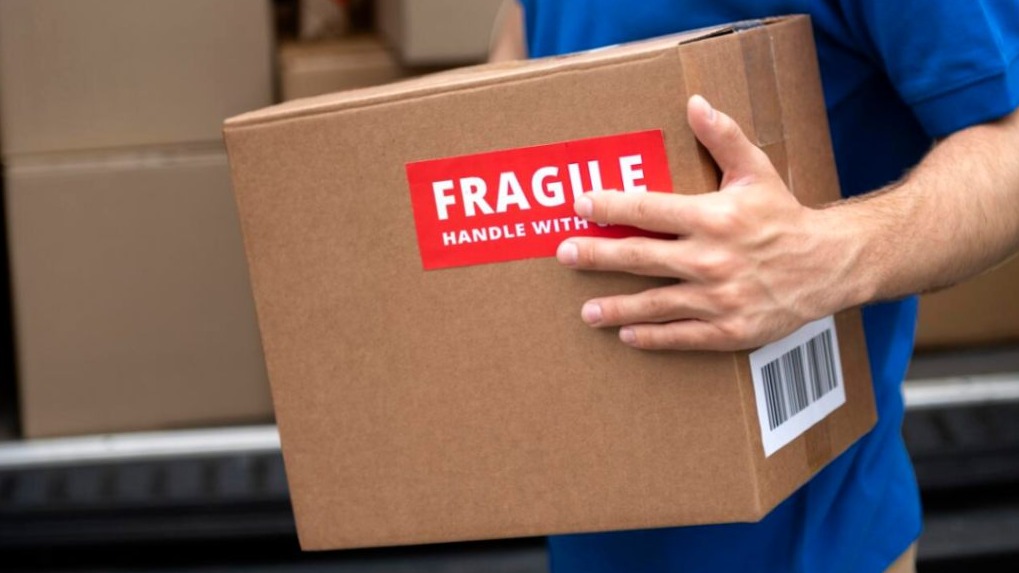
hazmat packaging
Definition
Hazmat packaging is specialized packaging designed to contain, protect, and safely transport hazardous materials, preventing leaks, spills, and reactions. It complies with regulatory standards (such as UN, DOT, and IATA) for construction, testing, labeling, and documentation to ensure safe handling, storage, and transport.
Overview
Overview
A DOT Special Permit (often referred to as DOT‑SP) is an authorization issued by the U.S. Department of Transportation that allows a shipper, 3PL, manufacturer, or other entity to package, mark, label, or transport hazardous materials in a manner not otherwise permitted under the standard hazardous materials regulations. Special permits exist because certain modern, experimental, or highly reactive materials cannot be safely or practically contained in existing UN specification packaging or other standard containers.
Why special permits are needed
Standard UN or DOT packaging standards are performance based and work for the vast majority of hazardous materials. However, emerging battery chemistries, pyrophoric powders, custom chemical systems, and novel containment technologies sometimes require alternative designs or operational controls to achieve an equivalent level of safety. A DOT‑SP enables the regulated community to use proven but non‑standard packaging systems—such as custom foam‑injection closures, engineered multi‑layer containment, or specialized absorption systems—while maintaining regulatory control through permit conditions.
Typical content of a DOT‑SP
Special permits describe the allowable packaging design, materials, construction and performance testing, operational controls (e.g., temperature limits, venting restrictions), marking and labeling, required documentation, training mandates, and any special handling or routing requirements. Permits may be limited to specific shippers, consignees, carriers, packaging manufacturers, or geographic areas. They often include inspection, reporting, and recordkeeping obligations.
Application and approval process
Applying for a DOT‑SP typically follows these steps:
- Prepare a technical justification describing why standard packaging is unsuitable.
- Provide detailed packaging drawings, materials of construction, and manufacturing instructions.
- Submit performance test data or an engineering analysis demonstrating equivalent safety (drop tests, pressure/vacuum tests, leak tests, thermal tests as applicable).
- Describe operational controls: how packages are filled, closed, inspected, transported, and opened.
- Outline training programs, quality control, inspection, and recordkeeping procedures.
- File the petition with the appropriate DOT office and respond to DOT questions during review.
Approval can take months depending on complexity. Approved permits are often conditional and may require periodic renewal or additional testing if packaging or operating conditions change.
Roles and responsibilities
For 3PLs and other entities using a DOT‑SP, responsibilities commonly include ensuring packaging is manufactured to permit specifications, training personnel, maintaining required records, and ensuring carriers and drivers receive any required special instructions. If the permit is specific to a party (e.g., a particular manufacturer), users must verify they are within the permit’s scope.
Common examples
Examples of DOT‑SP use include approvals to ship non‑standard lithium battery designs with internal pressure relief systems, custom foam‑injection systems for reactive liquids that require continuous pressure distribution, or engineered containment for aerosensitive compounds that cannot be packaged in standard glass or metal drums without unacceptable risk.
Best practices for using DOT‑SP packaging
- Keep a current copy of the permit readily available at the facility and ensure staff can quickly access permit conditions.
- Lock packaging production and inspection procedures into a quality manual tied to the permit.
- Provide focused training tailored to the permit conditions for filling, marking, and shipping staff.
- Coordinate with carriers in advance to ensure they accept the permit conditions and any special handling or routing requirements.
- Monitor changes to DOT regulations that might affect permit terms or require reapplication.
Common mistakes and pitfalls
Common errors include using a permit beyond its scope (e.g., for different materials), failing to carry or produce required permit documentation during transport, neglecting periodic requalification testing, and inadequate staff training. These mistakes may lead to citation, shipment delays, or increased safety risk.
Enforcement and consequences
DOT inspections can check that the physical packaging, markings, paperwork, and operational practices conform to the permit. Noncompliance can result in revocation of the permit, fines, and civil penalties. For safety reasons, carriers may refuse loads that lack proper permit documentation or that do not meet the permit’s packaging or marking requirements.
Practical tips for beginners
When a product seems to require a special permit: document why standard options fail, engage packaging engineers early, consider pilot shipments under close oversight, and consult with a compliance specialist or legal advisor. Working closely with DOT or a recognized testing lab during the permit preparation phase increases the chance of a timely approval.
In summary, DOT Special Permits enable safe shipment of hazardous materials when standard packaging is impractical, but they require careful technical justification, strict adherence to permit conditions, disciplined recordkeeping, and proactive training and quality control to remain compliant and safe.
Sources And Additional Reading (3)
- Special Permits
“Special Permits.” PHMSA, https://www.phmsa.dot.gov/approvals-and-permits/hazmat/special-permits.
- Approvals and Permits
“Approvals and Permits.” PHMSA, https://www.phmsa.dot.gov/approvals-and-permits.
- Hazardous Materials Regulations
“Hazardous Materials Regulations.” PHMSA, https://www.phmsa.dot.gov/standards-rulemaking/hazmat/hazardous-materials-regulations.
More from this term
Looking for a 3PL?
Compare warehouses on Racklify and find the right logistics partner for your business.