
Hazmat Reverse Logistics Explained: Compliance, Safety, and Efficiency
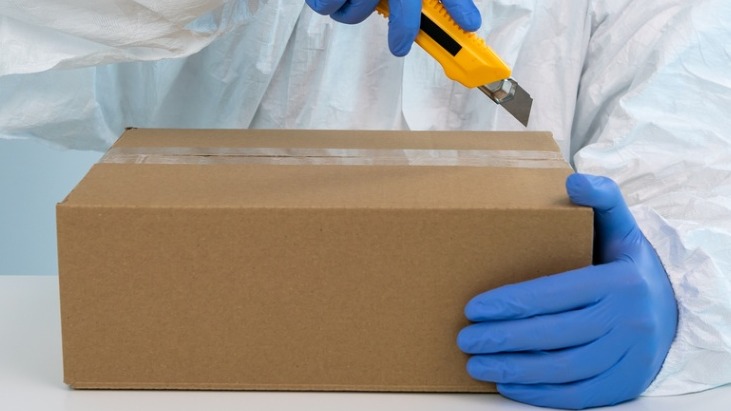
hazmat reverse logistics
Definition
Hazmat reverse logistics is the process of safely collecting, transporting, inspecting, treating, and disposing or recycling hazardous materials that are returned, damaged, or at end-of-life. It focuses on secure packaging, chain-of-custody, documentation, and strict regulatory compliance to protect people, property, and the environment.
Overview
What is hazmat reverse logistics?
Hazmat reverse logistics refers to the set of activities that move hazardous materials (hazmat) in the opposite direction of normal distribution: from customers, retail locations, or points of use back to manufacturers, repair centers, recycling facilities, or approved disposal sites. It covers receiving, classification, segregation, packaging, documentation, transport, treatment, and final disposition of hazardous goods, including returns, recalls, repairs, product take-back programs, and end-of-life disposal.
Why it matters (brief, beginner-friendly)
Handling hazardous returns incorrectly can cause environmental damage, legal penalties, workplace injuries, and reputational harm. Proper hazmat reverse logistics protects people and the environment, ensures compliance with laws, and reduces costs over the long term by recovering value through repair, resale, or recycling.
Typical items involved
Common examples include lithium-ion batteries (from electronics and e-bikes), aerosol cans, solvents and industrial chemicals, pesticides, paint, contaminated packaging, medical sharps and certain pharmaceuticals, and electronic waste that contains hazardous components. Each category has specific handling and transport rules.
Core regulatory and safety considerations
Reverse logistics for hazardous materials is governed by multiple layers of regulation depending on the material and the transport mode. For ground transport in the United States, the Department of Transportation (DOT) rules apply; internationally, UN recommendations, IATA (air), and IMDG (sea) codes are relevant. Environmental rules such as the EPA’s Resource Conservation and Recovery Act (RCRA) cover hazardous waste generation and disposal. Occupational safety standards (OSHA in the U.S.) protect workers handling the materials. Key elements include correct classification (UN numbers and hazard classes), labeling and placarding, proper packaging (UN-spec if required), documentation (shipping papers, manifests, Safety Data Sheets/SDS), and emergency response plans.
Common steps in a hazmat reverse logistics workflow
- Intake and triage: Inspect returned items to determine if they are hazardous, intact, leaking, or require immediate isolation.
- Classification and documentation: Identify UN numbers, hazard classes, and whether items are regulated as hazardous waste or hazardous material for transport. Record chain-of-custody and update inventory systems.
- Segregation and temporary storage: Separate incompatible materials (e.g., oxidizers vs. organics), and store in secure, labeled areas that meet ventilation, secondary containment, and temperature requirements.
- Packaging and labeling: Repackage into compliant containers, affix required markings and labels, and prepare shipping papers or manifests.
- Transport and disposition: Move goods using appropriately certified carriers to repair/inspection centers, recycling facilities, or permitted disposal sites, following route and carrier regulations (air restrictions are common for many hazmats).
- Recordkeeping and reporting: Keep documentation for audits, environmental reporting, and regulatory inspections; manage customer communications for returns or recalls.
Efficiency strategies that still meet compliance
Efficiency and compliance are not mutually exclusive. Practical steps to improve efficiency include centralizing returns into a specialist reverse logistics hub that is permitted and equipped for hazmat handling, using technology like a WMS or TMS configured with hazmat workflows and restrictions, classifying products proactively (pre-labeled lanes for common returns), and pre-arranging contracts with certified carriers and treatment facilities. Automation for intake scanning, barcode/RFID tracking, and SDS-linked workflows reduce manual errors and speed processing.
Best practices (beginner-friendly list)
- Develop clear intake criteria and visual triage checklists so frontline staff can quickly identify hazards.
- Maintain up-to-date Safety Data Sheets (SDS) for all SKUs and link them to your returns system.
- Train and certify staff regularly in hazmat handling, PPE use, and emergency procedures.
- Use UN-spec packaging and certified carriers for regulated transport; never mix incompatible wastes.
- Create written procedures for common scenarios (e.g., leaking lithium battery, chemical spill) and run drills.
- Centralize hazardous returns where possible to concentrate expertise and compliance resources.
- Implement robust recordkeeping to demonstrate chain-of-custody and regulatory compliance.
Common mistakes to avoid
- Failing to classify returns properly—misclassification can lead to dangerous mixing, regulatory fines, or transport refusals.
- Storing incompatible materials together or in unsuitable conditions (temperature, ventilation, containment).
- Using non-compliant packaging or carriers, especially for air transport where restrictions are strict.
- Insufficient training and lack of SDS access at points of handling—this increases risk and response time in incidents.
- Poor documentation—missing manifests, incomplete chain-of-custody, or inadequate disposal records can trigger audits and penalties.
Real-world examples
• Electronics retailer returns lithium-ion batteries from customer devices. Best practice: route all battery returns to a centralized hub, inspect and triage for damage, place damaged batteries in fire-resistant containment, and send to a certified recycler with manifesting and carrier that specializes in hazardous shipments.
• Auto parts manufacturer accepts used automotive fluids. Best practice: classify used oil and antifreeze as hazardous or non-hazardous per local rules, store in labeled tanks with secondary containment, and contract a licensed waste hauler for transport and recycling.
Role of third-party providers and technology
Many businesses rely on specialized third-party reverse logistics or hazardous waste management firms that hold permits, have trained staff, and manage transport and disposal. Technology—WMS with hazmat modules, TMS that enforces carrier restrictions, barcode/RFID tracking, and digital SDS libraries—helps reduce errors, speed processing, and provide auditable trails.
Summary
Hazmat reverse logistics balances safety, regulatory compliance, and business efficiency. By classifying materials correctly, training staff, using compliant packaging and carriers, centralizing specialized handling, and leveraging technology and third-party expertise, organizations can protect people and the environment while recovering value from returns or ensuring lawful disposal. For beginners: start by developing clear intake procedures, maintaining SDS access, and partnering with certified carriers or waste managers to build a compliant and efficient program.
Sources And Additional Reading (3)
- 49 CFR 173.157 — Reverse Logistics
“49 CFR 173.157 — Reverse Logistics.” eCFR, https://www.ecfr.gov/current/title-49/subtitle-B/chapter-I/subchapter-C/part-173/subpart-D/section-173.157.
- Reverse Logistics Association
“Reverse Logistics Association.” Reverse Logistics Association, https://rla.org/.
- Dangerous Goods Shipping
“Dangerous Goods Shipping.” FedEx, https://www.fedex.com/en-us/shipping/dangerous-goods.html.
More from this term
Looking for a 3PL?
Compare warehouses on Racklify and find the right logistics partner for your business.