
Hazmat Reverse Logistics: Safely Managing Returns of Dangerous Goods
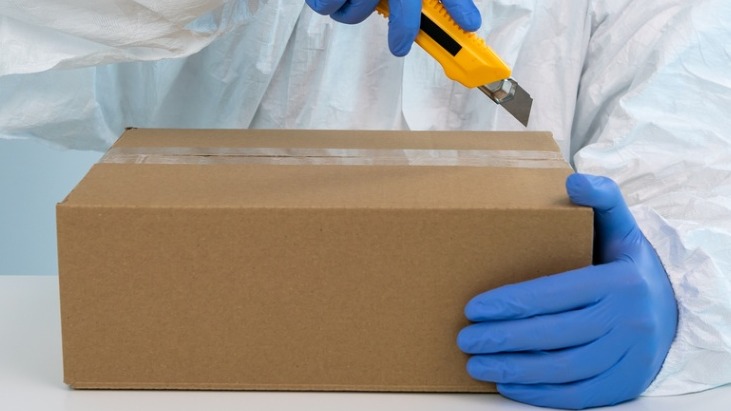
hazmat reverse logistics
Definition
Hazmat reverse logistics is the process of safely collecting, transporting, inspecting, treating, and disposing or recycling hazardous materials that are returned, damaged, or at end-of-life. It focuses on secure packaging, chain-of-custody, documentation, and strict regulatory compliance to protect people, property, and the environment.
Overview
Hazmat reverse logistics covers the end-to-end management of returned hazardous materials — from initial receipt and quarantine through assessment, transportation, remediation or disposal, and final recordkeeping. Returns of dangerous goods can arise from customer returns, recall campaigns, product defects, expired or damaged inventory, or end-of-life takebacks. Because these items pose risks to people, property, and the environment, reverse logistics for hazmat requires stricter controls than regular returns: regulatory compliance, specialized packaging, trained personnel, secure storage, documented chain of custody, and coordination with certified carriers and disposal facilities.
Why it matters
Improper handling of returned hazardous goods can lead to severe consequences: regulatory fines, worker injuries, environmental contamination, transportation incidents, and reputational damage. Effective hazmat reverse logistics reduces these risks while recovering value through repair, refurbishment, recycling, or safe disposal. For businesses that sell chemicals, batteries, aerosols, medical wastes, or other regulated items, building a reliable reverse logistics program is both a legal obligation and a cost-control measure.
Common types of returned hazardous items
- Rechargeable lithium batteries (consumer electronics, e-scooters)
- Flammable aerosols and solvents
- Industrial chemicals and reagents (corrosives, oxidizers)
- Paints and pesticides
- Pharmaceutical wastes and medical sharps
- Compressed gas cylinders
Regulatory landscape (high level)
Reverse logistics of hazmat intersects multiple regulations depending on jurisdiction and mode of transport: national transport rules (e.g., DOT in the U.S.), international dangerous goods codes (IATA for air, IMDG for sea), waste management and environmental laws, and local hazardous waste permits. Compliance covers classification and labeling, packaging standards, paperwork (e.g., shipping papers, manifests), training and certifications for personnel and carriers, and proper reporting of incidents and disposals.
Typical process flow
- Pre-return controls: Returns policy that flags hazardous SKUs, clear return instructions for customers, and an online returns portal that captures hazard information and photos.
- Transport to triage facility: Use certified carriers for hazmat; segregate hazardous returns from other returns during transport and document chain-of-custody.
- Receipt & quarantine: Inspect items in a designated, ventilated quarantine area with spill containment; use PPE and maintain incident-ready kits.
- Classification & assessment: Re-classify and assess risk — is the item intact, leaking, contaminated, or expired? Determine possible disposition: restock, repair/refurbish, recycle, neutralize, or hazardous waste disposal.
- Disposition actions: If restockable, ensure safe repackaging and labeling per standards. For recycling or disposal, prepare required documentation and transfer to permitted facilities or hazardous waste carriers.
- Recordkeeping & reporting: Maintain manifests, test results, photos, and employee training logs; report incidents to regulators when required.
Key roles and responsibilities
- Operations/Warehouse: provide quarantine areas, handling procedures, PPE, and secure storage.
- Safety & Compliance: classify materials, ensure packaging and labeling meet regulations, maintain training and permits.
- Customer Service: capture necessary return information and advise customers on safe packaging/transport.
- Transportation Providers: certified in hazmat handling and paperwork for chosen modes.
- Third-party Specialists: hazardous waste processors, recyclers, remediation contractors.
Best practices
- Designate a hazmat triage center: A dedicated area with engineered controls (spill pallets, ventilation) reduces cross-contamination and speeds disposition decisions.
- Use clear returns policies and customer instructions: Require customers to declare hazards and provide photos; provide pre-printed or downloadable packaging instructions for common hazmat items.
- Classify early and accurately: Establish SOPs for quick hazard identification using MSDS/SDS and SKU-level hazard flags in your inventory system.
- Work with certified carriers and facilities: Verify carrier credentials, emergency response capabilities, and disposal facility permits before contracting.
- Train and drill regularly: Ensure staff and contracted carriers maintain required hazmat certifications and run incident-response drills.
- Track and document everything: Use WMS/TMS modules or specialized returns software to capture chain-of-custody, condition assessments, and final disposition.
- Prioritize segregation and compatibility: Store incompatible chemicals separately to avoid dangerous reactions, and clearly label segregation zones.
- Recover value where safe: Assess options for repair, refurbish, or recycling to reduce disposal costs and environmental impact.
Common mistakes to avoid
- Misclassifying returned goods (e.g., treating damaged lithium batteries as non-hazardous).
- Mishandling mixed loads — transporting incompatible hazmat items together.
- Inadequate documentation or missing manifests, creating legal and liability exposure.
- Insufficient staff training and lack of emergency response plans.
- Failing to quarantine returns leading to cross-contamination of general inventory.
- Relying on non-certified carriers or recyclers to cut costs, which can create regulatory violations.
Practical examples
Example 1: A consumer returns a defective e-bike battery that shows swelling. The customer service team requires photos and directs the customer to a specialized drop-off point. The battery is shipped by a certified hazmat carrier to a triage center where staff in PPE place it in a ventilated quarantine, confirm the battery type and condition, and coordinate transfer to a certified battery recycler for safe handling.
Example 2: A manufacturer issues a recall for a solvent-based adhesive. Returned drums arrive at a central hazardous returns depot, are segregated by compatibility and containment, sampled for contamination, and either reconditioned or sent to a permitted hazardous waste incinerator based on lab results.
Technology and metrics
Software that integrates WMS, TMS, and compliance modules can automate hazard flags, generate required paperwork, route returns to the correct triage center, and maintain auditable records. Key performance indicators for hazmat reverse logistics include: incident rate per return, time-to-triage, percentage of returns safely refurbished vs disposed, cost-per-return, and regulatory compliance audits passed.
Implementation checklist (quick)
- Identify hazardous SKUs and embed flags in your returns portal.
- Create SOPs for receipt, quarantine, classification, and disposition.
- Designate triage/quarantine areas with spill containment and PPE.
- Contract certified carriers and disposal/recycling partners.
- Train staff and run incident drills.
- Implement tracking and recordkeeping tools.
- Review and update the program regularly based on incidents and regulatory changes.
When done right, hazmat reverse logistics protects people and the environment, reduces liability, and preserves value. Build the program around clear procedures, trained people, certified partners, and strong documentation — and you will be well-positioned to handle returns of dangerous goods safely and efficiently.
Sources And Additional Reading (3)
- 49 CFR 173.157 — Reverse Logistics
“49 CFR 173.157 — Reverse Logistics.” eCFR, https://www.ecfr.gov/current/title-49/subtitle-B/chapter-I/subchapter-C/part-173/subpart-D/section-173.157.
- Reverse Logistics Association
“Reverse Logistics Association.” Reverse Logistics Association, https://rla.org/.
- Dangerous Goods Shipping
“Dangerous Goods Shipping.” FedEx, https://www.fedex.com/en-us/shipping/dangerous-goods.html.
More from this term
Looking for a 3PL?
Compare warehouses on Racklify and find the right logistics partner for your business.