
Hazmat Shipping Labels Explained: Keeping Dangerous Goods Under Control
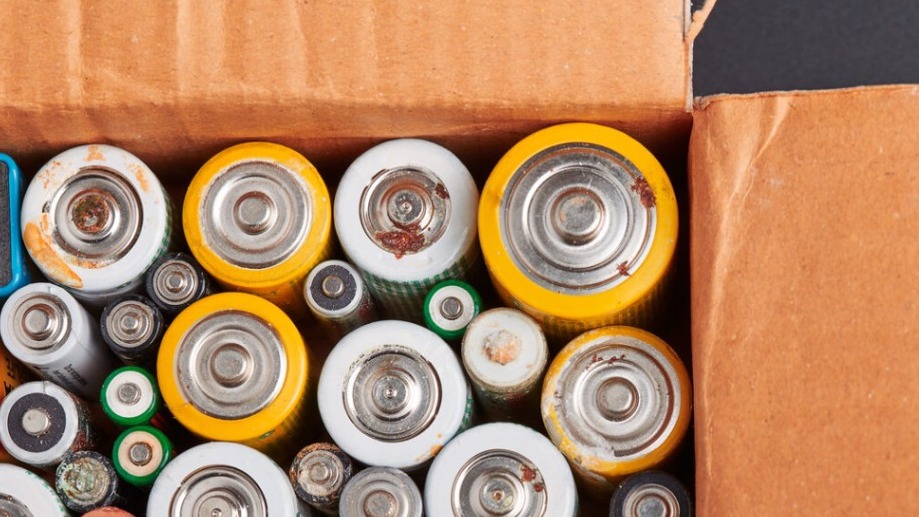
hazmat shipping labels
Definition
Hazmat shipping labels are standardized markings applied to packages that contain hazardous materials to indicate the type of risk, handling instructions, and emergency response information. They comply with international and national regulations to help carriers, handlers, and first responders identify hazards and ensure safe transportation and storage.
Overview
Hazmat shipping labels are the visual language of dangerous-goods transport. They tell handlers, carriers, emergency responders, and regulators what’s inside a package, how hazardous it is, and how it should be treated during storage and transit. For beginners, think of these labels as life-saving signage: simple icons, colors, and numbers combine to communicate risks—flammability, toxicity, corrosivity, radioactivity, and more—so goods move safely across warehouses, roads, seas, and skies.
What information appears on a hazmat shipping label?
At a glance, a compliant hazmat label can include:
- A hazard class pictogram and number (for example, a flame icon for flammable liquids, class 3).
- UN/NA identification number for the substance or shipping name (e.g., UN1203 for gasoline).
- Packing group where applicable (PG I, II, III), indicating severity.
- Special handling marks like orientation arrows, “Limited Quantity” or “Cargo Aircraft Only.”
- Subsidiary risk labels if a package presents multiple hazards.
Why these labels matter
Labels reduce risk across the entire transport chain. Emergency responders rely on them to select correct firefighting agents or evacuation distances; warehouse staff use them to segregate incompatible goods (for example, oxidizers away from organics); and carriers use them to determine allowable modes of transport and stowage. Proper labeling is also legally required: regulators such as the U.S. DOT (49 CFR), IATA (air), IMDG (sea), and ADR (road in Europe) all mandate specific labeling rules.
Types of hazmat labels and common classes
Hazard classes are standardized internationally. Common classes you’ll see on labels include:
- Class 1 – Explosives: Orange panel; explosive symbol and division number (1.1–1.6).
- Class 2 – Gases: Flammable, non-flammable, or toxic gas labels (green for non-flammable, red for flammable).
- Class 3 – Flammable liquids: Flame pictogram, red background.
- Class 4 – Flammable solids: Includes spontaneously combustible materials.
- Class 5 – Oxidizers and organic peroxides: Yellow background with flame over circle.
- Class 6 – Toxic and infectious substances: Skull-and-crossbones or biohazard symbols where applicable.
- Class 7 – Radioactive: Trefoil symbol and specific label formats.
- Class 8 – Corrosives: Image of material damaging metal or skin.
- Class 9 – Miscellaneous hazardous materials: Includes lithium batteries and other items presenting unique risks.
How to implement correct hazmat labeling (beginner-friendly steps)
1. Identify the substance: Use Safety Data Sheets (SDS) and manufacturer documentation to determine the proper shipping name, class, and UN number.
2. Check applicable regulations: Determine whether the shipment will travel by road, air, or sea and consult DOT, IATA, IMDG, or ADR rules for the required label types and sizes.
3. Choose correct labels: Use compliant label artwork (correct pictogram, color, and class number) and the right size for the package. Labels must be durable, weather- and abrasion-resistant.
4. Place labels correctly: Affix labels on a contrasting background on a principal panel. Avoid seams, closure tape, or curved surfaces that distort the label.
5. Add supporting marks and documentation: Include UN number markings, proper shipping name, orientation arrows if required, and ensure shipping papers and emergency contact information accompany the shipment.
6. Train staff: Regularly train handlers and shippers on label meanings, placement, and associated paperwork.
Best practices and friendly tips
• Always keep up-to-date templates: Regulatory updates change label requirements occasionally; use current, approved artwork.
• Use certified label suppliers: Reputable vendors produce labels that meet durability and color specifications for the mode of transport.
• Size matters: Many regulations prescribe minimum dimensions. Larger pallets may need bigger labels for readability.
• Avoid over-labeling: Only apply required hazard and subsidiary labels; too many labels can confuse handlers.
• Integrate labels with packaging: Ensure inner packaging secures the product per packing instructions and the label reflects that packaging configuration.
Common beginner mistakes to avoid
• Misidentification: Incorrect UN numbers or hazard classes are a common source of non-compliance—always verify against SDS and manufacturer data.
• Poor placement: Labels hidden by straps, pallet wrap, or positioned on curved surfaces that obscure reading can render a shipment non-compliant.
• Using non-compliant artwork or materials: Homemade or faded labels may fail inspections; use regulation-conforming designs and durable material.
• Ignoring multi-modal rules: A label acceptable for road might not meet air transport standards; check the specific modal regulations when planning a shipment.
• Forgetting supporting documentation: Labels alone aren’t enough—shipping papers, emergency response information, and proper training are required by law.
Real-world examples (simple, illustrative)
• Lithium-ion batteries (UN3480): Often labeled as Class 9 with special handling marks and must meet additional packing instructions for air transport (IATA).
• Flammable liquids like ethanol (UN1170): Labeled Class 3 with a flame pictogram; packing group influences additional handling requirements.
• Corrosive acids (UN1789 for hydrochloric acid): Class 8 labels and often require absorptive inner packaging and leak-proof outer packaging.
Final notes
Hazmat shipping labels are a small but critical part of a safe logistics process. For beginners, the safest approach is systematic: identify the material, consult the governing regulation for your transport mode, use compliant labels and durable materials, place them where they are clearly visible, and maintain complete shipping paperwork. Proper labeling protects people, property, and companies from costly fines and accidents—and it keeps global trade moving smoothly. If you’re handling hazardous materials regularly, consider formal training and consultation with a dangerous-goods specialist to build reliable processes.
Sources And Additional Reading (3)
- DOT Chart 17: Markings, Labeling and Placarding Guide
“DOT Chart 17: Markings, Labeling and Placarding Guide.” PHMSA, https://www.phmsa.dot.gov/training/hazmat/dot-chart-17-markings-labeling-and-placarding-guide.
- Dangerous Goods Regulations
“Dangerous Goods Regulations.” IATA, https://www.iata.org/en/programs/cargo/dgr/.
- Dangerous Goods Shipping
“Dangerous Goods Shipping.” FedEx, https://www.fedex.com/en-us/shipping/dangerous-goods.html.
More from this term
Looking for a 3PL?
Compare warehouses on Racklify and find the right logistics partner for your business.