
Hazmat Shipping Labels: The Silent Heroes of Modern Supply Chains
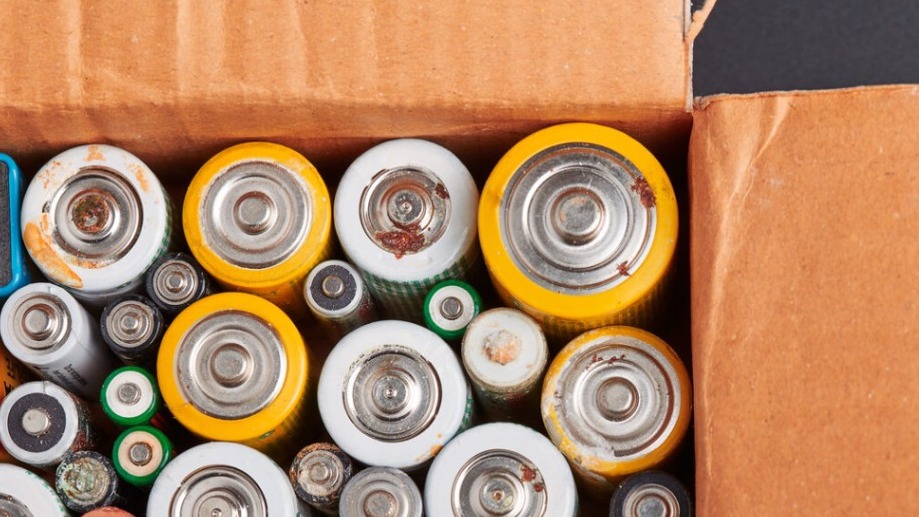
hazmat shipping labels
Definition
Hazmat shipping labels are standardized markings applied to packages that contain hazardous materials to indicate the type of risk, handling instructions, and emergency response information. They comply with international and national regulations to help carriers, handlers, and first responders identify hazards and ensure safe transportation and storage.
Overview
Hazmat shipping labels — also called dangerous goods labels — are the visible shorthand that keeps hazardous materials moving safely through modern supply chains. They combine symbols, colors, UN numbers, and handling cues to tell anyone who touches a package what is inside, how it behaves, and what precautions to take. Clear, correct labels reduce risk to people, property, and the environment, and ensure legal compliance across road, sea, and air transport.
What they show and why it matters
At a glance, a hazmat label conveys several critical pieces of information:
- Hazard class or division: A pictogram or diamond shape indicating flammability, toxicity, corrosivity, oxidizing potential, radioactivity, etc.
- UN (United Nations) number: A four-digit identifier tied to a specific substance or group of substances (for example, common UN numbers are used to identify solvents, gases, and acids).
- Handling and emergency guidance: Instructions such as "Keep away from heat" or emergency phone numbers for response teams.
- Packaging group or quantity limits: When relevant, labels also communicate the level of danger and any limits on how much may be shipped together.
How hazmat labels differ by mode and regulation
Transport of hazardous goods is governed by specialized rules depending on the mode of transport and jurisdiction. Key regulatory systems include:
- DOT (U.S. Department of Transportation): Governs road and domestic transport in the United States.
- IATA (International Air Transport Association): Manages air transport (dangerous goods regulations or DGR), with strict limits and label requirements.
- IMDG (International Maritime Dangerous Goods code): Covers ocean shipments.
- ADR/ADN: European overland and inland waterway rules.
Labels often look the same across modes (same pictograms and UN numbers), but size, placement, and additional documentation can vary. Air shipments tend to have the most stringent packaging and labeling requirements.
Types of labels and their features
- Class diamonds/pictograms: Standard diamond-shaped symbols with color-coding — e.g., red for flammable, white/black for toxic, yellow for oxidizers.
- Subsidiary risk labels: Used when a substance presents more than one hazard (e.g., a flammable, toxic liquid).
- Limited quantity and consumer commodity marks: Special marks for low-risk shipments that meet reduced regulatory requirements.
- Orientation and handling labels: "This Side Up" or "Keep Upright" may accompany hazmat labels when stability matters.
Best practices for implementation
- Know the product and its UN number: Accurate classification is step one. Misclassification can lead to unsafe handling and penalties.
- Use certified labels and durable materials: Labels should resist water, abrasion, UV, and temperature extremes so they remain legible through transit.
- Follow size and placement rules: Regulations specify minimum label sizes and where they must appear on packages. Place labels on a principal surface where they are unobstructed.
- Train staff: Regular training for packers, labelers, and shipping clerks reduces errors and improves safety. Include emergency response basics.
- Integrate with WMS/TMS: Use warehouse or transport management systems to auto-populate labels, print compliant documentation, and track special handling codes.
- Double-check for mixed shipments: When multiple hazardous items are in one pallet or container, ensure consolidated labeling and documentation reflect all hazards.
Common mistakes and how to avoid them
- Wrong or missing UN number: Often stems from poor classification. Remedy by consulting SDS (safety data sheets) and regulatory lists, or hire a hazmat compliance consultant.
- Poor label durability: Labels that peel or fade are useless. Use polypropylene or polyester labels with strong adhesives.
- Incorrect placement or obscured labels: Avoid placing labels near seams, over straps, or under shrink wrap. Leave a clear zone so first responders can see the hazard.
- Mixing incompatible materials: Labeling alone won’t prevent chemical reactions — comply with segregation rules and use placards or documentation to flag risks.
- Assuming air rules equal ground rules: Air transport typically requires stricter packaging and labeling. Don’t rely on road-compliant labels for air shipments.
Real-world examples
Imagine a small distribution center shipping a 20-liter drum of industrial paint. The label should show the flammable liquid diamond, the correct UN number (e.g., UN 1263 for paint-related materials), a package orientation notice if needed, and any limited-quantity or packing-group indicators. If the same center ships compressed gases, those packages need specific cylinders labels and may require placards on the vehicle for larger quantities.
Why labels are the "silent heroes"
Hazmat shipping labels rarely get noticed when everything goes right. Their value shows up whenever there’s a spill, an accident, or routine handling by multiple parties across borders. They enable fast, informed decisions by drivers, warehouse staff, carriers, and emergency responders—minimizing harm, downtime, and regulatory exposure.
Tips for staying compliant and efficient
- Maintain up-to-date SDS files and a master list of UN numbers for the materials you handle.
- Standardize label printing templates in your WMS to reduce manual entry errors.
- Audit outgoing shipments regularly for proper labeling and documentation.
- Use pre-printed labels for common SKUs to speed packing and lower mistakes.
- When in doubt, consult a qualified dangerous goods specialist or use online regulatory lookup tools tied to your country and mode of transport.
Final note
Hazmat shipping labels are a simple, visible control that supports safety and compliance across supply chains. For beginners: think of them as the product’s safety language—concise, regulated, and essential. Investing time in accurate classification, durable materials, correct placement, and staff training pays off in fewer incidents, smoother operations, and confident transport partners.
Sources And Additional Reading (3)
- DOT Chart 17: Markings, Labeling and Placarding Guide
“DOT Chart 17: Markings, Labeling and Placarding Guide.” PHMSA, https://www.phmsa.dot.gov/training/hazmat/dot-chart-17-markings-labeling-and-placarding-guide.
- Dangerous Goods Regulations
“Dangerous Goods Regulations.” IATA, https://www.iata.org/en/programs/cargo/dgr/.
- Dangerous Goods Shipping
“Dangerous Goods Shipping.” FedEx, https://www.fedex.com/en-us/shipping/dangerous-goods.html.
More from this term
Looking for a 3PL?
Compare warehouses on Racklify and find the right logistics partner for your business.