
How a Silica Gel Packet Protects Products Across the Supply Chain
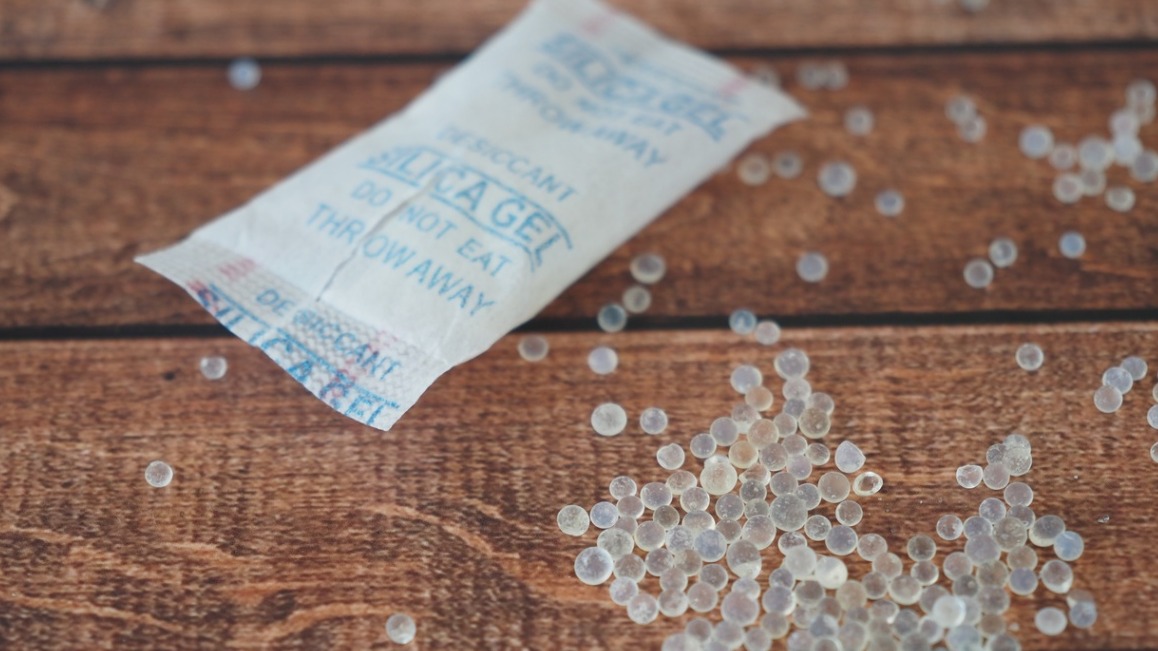
Silica Gel Packet
Definition
A silica gel packet is a small desiccant sachet filled with porous silica beads used in shipping to absorb moisture and prevent condensation, mold, and corrosion inside packaging. These non-toxic packets protect electronics, textiles, and perishables during transit and are typically labeled "Do not eat" and discarded after use.
Overview
What a silica gel packet is
Silica gel packets are tiny porous sachets containing beads of amorphous silicon dioxide (silica). Despite the name, silica gel is a solid granular desiccant that removes moisture from the air by adsorption—the process in which water molecules adhere to the surface of the porous beads. Packets come in many sizes and packaging types, and some include moisture-indicating beads that change color when saturated.
Why moisture control matters in the supply chain
Humidity and condensation create a range of problems across the supply chain: corrosion of metal components, mold and mildew on textiles and leather, clumping or degradation of powders, loss of adhesive properties, and performance failures in electronics and pharmaceuticals. Temperature swings during transport (for example, moving from cold trucks to warm warehouses) can cause condensation inside packaging, and that trapped moisture can damage products before they reach the customer.
How silica gel packets protect products
Silica gel packets protect goods by lowering the relative humidity (RH) within enclosed packaging or containers. As air inside the packaging comes into contact with the beads, water vapor adheres to the internal surface area of the silica. This reduces free moisture, which prevents rust, microbial growth, staining, and other moisture-triggered damage. Because adsorption is a surface-driven process, silica gel is effective even at modest sizes relative to the container volume.
Practical applications across supply chain stages
Silica gel packets are used in many industries and supply chain stages:
- Manufacturing and warehousing: placed in cartons, drawers, or bins to protect stored parts and finished goods from humidity in storage.
- Packing and shipping: added to boxes and pallets to prevent condensation during air, sea, or road transport—especially important when crossing climate zones.
- Retail and returns: included with sensitive goods displayed or returned to reduce moisture exposure while waiting for restocking or inspection.
- Long-term storage and archival: used in sealed containers for electronics, optics, documents, and photographic materials where low RH is critical.
Types and variations
Not all desiccants are the same. Common options include silica gel (general-purpose), molecular sieves (better at very low RH), and clay desiccants (economical for many uses). Silica gel packets themselves vary by bead size, packet material (e.g., paper, Tyvek), presence of moisture indicators (color-changing beads), and whether they are food-grade. Choose the type based on target RH, product sensitivity, and regulatory requirements.
Placement, sizing, and selection
Effective use depends on correct placement and sizing. Packets should be placed where moisture is most likely to be trapped—inside inner boxes, near sensitive components, or distributed evenly across a pallet. Sizing depends on shipment volume, packaging permeability, target RH, and transit conditions. As a friendly rule of thumb: small sealed containers (a few hundred milliliters) often require only a gram or two of silica gel, whereas pallets and shipping containers need tens to hundreds of grams. For precise protection, consult supplier sizing tables or perform a condensation risk assessment; many desiccant vendors provide calculators based on container volume and transit profile.
Best practices
- Use barrier packaging when possible: combining silica gel with vapor barrier bags or lined cartons increases the desiccant’s effectiveness by limiting moisture ingress.
- Distribute desiccant evenly: for large shipments, spread packets across layers of goods rather than clustering them in one corner.
- Include humidity indicator cards: these provide a quick visual check of interior conditions on arrival and help verify that the desiccant is still effective.
- Match packet type to product: choose food-grade silica gel for consumables and molecular sieves for products requiring very low RH.
- Seal promptly: add packets as the final step before sealing packaging to avoid exposure to ambient humidity.
Common mistakes to avoid
- Under-sizing desiccant: using too little silica gel is the most common error—insufficient capacity won’t prevent moisture damage over long or humid transits.
- Assuming indefinite life: silica gel becomes saturated and loses effectiveness; do not reuse packets without verifying capacity or reconditioning method recommended by the manufacturer.
- Poor placement: placing packets only at the packaging exterior may not protect internal items where moisture collects.
- Ignoring temperature effects: warm air holds more moisture, so shipments that move through temperature changes are at higher risk and need more desiccant or better barrier packaging.
- Misunderstanding capabilities: silica gel controls moisture but does not remove odors, oils, or gases—choose other materials if those are concerns.
Safety, handling, and disposal
Silica gel is non-toxic in most industrial grades, but it is not edible and should include a clear "Do not eat" label—especially for consumer packages. Some indicator beads contain cobalt chloride (a blue-to-pink indicator) which is now discouraged in some jurisdictions for toxicity reasons; newer non-toxic indicators are available. For disposal, follow local regulations; many silica gel packets can be disposed of with general waste, but check for any hazardous additives before discarding. Reconditioning (drying) the packets for reuse is possible for some types—heat-drying at manufacturer-recommended temperatures—however, reconditioning is not suitable for all packets and may change packet integrity.
Real-world examples
Electronics: Manufacturers include silica gel in component reels and boxes to reduce moisture that can cause corrosion or soldering defects. Leather goods: Shoe and bag manufacturers pack items with desiccants to prevent mold during sea freight from humid ports. Pharmaceuticals: Many tablets and capsules are packed with food-grade silica gel to maintain potency and shelf life in variable climates.
Final recommendations
Silica gel packets are an inexpensive, reliable tool to reduce humidity risks across the supply chain when specified and applied correctly. For best results: identify the moisture risk, choose an appropriate desiccant type and size, place packets strategically, use barrier packaging where feasible, and monitor with indicator cards. For critical or high-value shipments, consult desiccant suppliers or packaging engineers for tailored sizing and testing to ensure products arrive in specification.
Sources And Additional Reading (3)
- Silica Gel Desiccant
“Silica Gel Desiccant.” Multisorb, https://www.multisorb.com/desiccants/silica-gel/.
- Desiccants
“Desiccants.” IMPAK Corporation, https://www.sorbentsystems.com/desiccants.html.
- Moisture Barrier Packaging
“Moisture Barrier Packaging.” Protective Packaging Corporation, https://www.protectivepackaging.net/desiccants/.
More from this term
Looking for a 3PL?
Compare warehouses on Racklify and find the right logistics partner for your business.