
How Boutique Fulfillment Is Redefining Modern E-Commerce Logistics
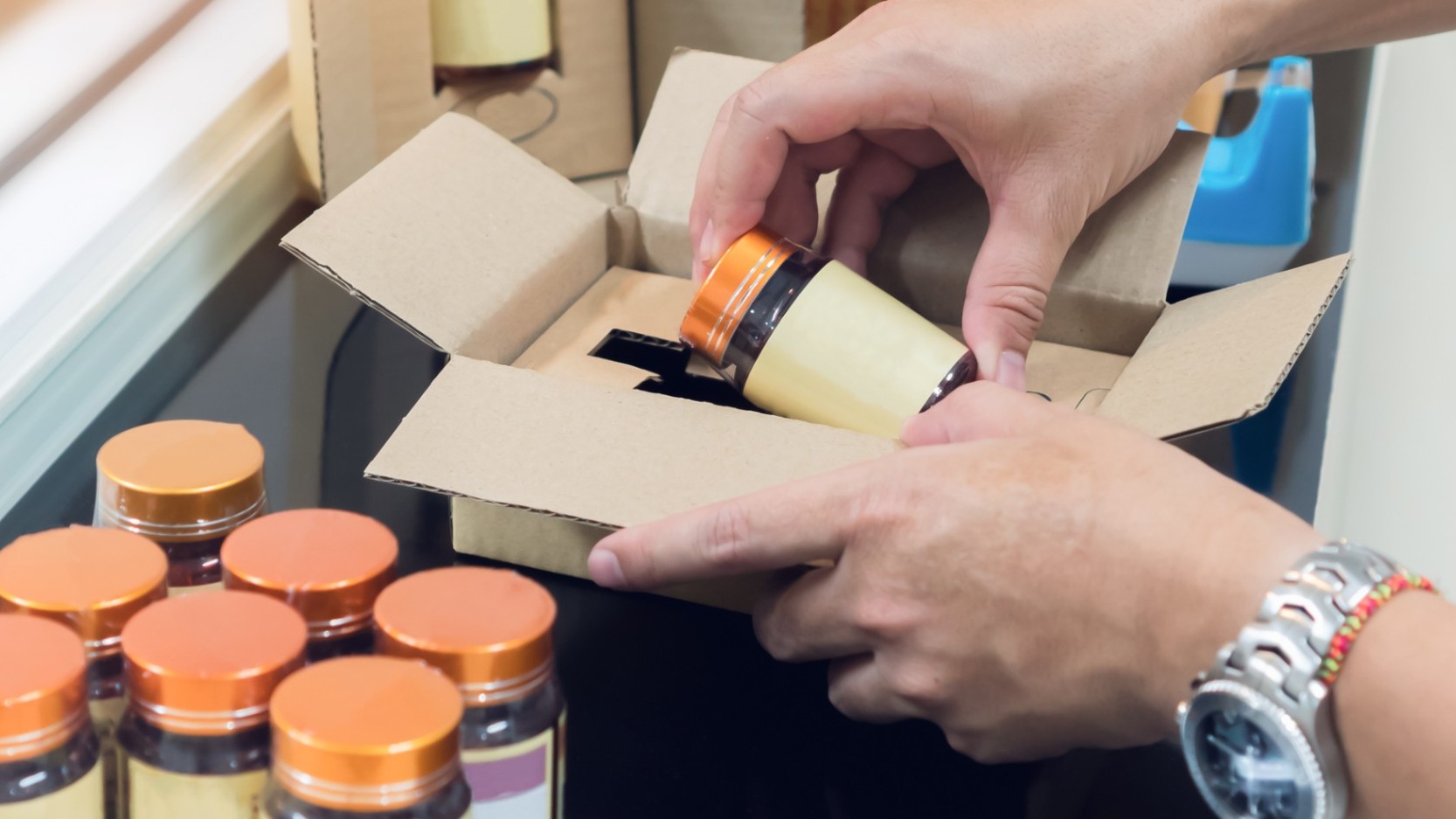
Boutique Fulfillment
Definition
Boutique fulfillment is a specialized order fulfillment service tailored to small-to-medium brands that require high-touch, customized handling. It combines storage, personalized packaging, kitting, and white-glove customer service to support niche or premium products with flexible volumes and faster turnaround.
Overview
Boutique fulfillment is a tailored logistics approach designed for small and mid-sized e-commerce brands, direct-to-consumer (DTC) sellers, subscription box companies, luxury goods providers, and artisans who need more than a one-size-fits-all warehouse solution. Instead of emphasizing scale above all else, boutique fulfillment centers prioritize customization, attention to detail, brand experience, and flexible operational models that fit unique product mixes and customer expectations.
At its core, boutique fulfillment combines standard warehouse functions—receiving, inventory storage, pick-and-pack, kitting, and shipping—with enhanced services such as custom packaging, gift wrapping, quality inspections, personalized inserts, and concierge-style returns management. The result is a logistics partner that acts as an extension of a brand, ensuring that every outbound order reinforces the brand promise.
Why it matters now
Modern consumers expect fast delivery but also memorable unboxing experiences, especially in lifestyle, beauty, fashion, and premium food categories. Large, generalized 3PLs (third-party logistics providers) are optimized for volume and lowest cost per unit, which can lead to stripped-back packaging and limited handling options. Boutique fulfillment fills the gap for brands that prioritize differentiation, small-batch production, curated assortments, or complex customizations—areas where agility and attention to detail are more valuable than absolute scale.
Common boutique fulfillment services
- Custom packaging and branding: Branded boxes, tissue, stickers, thank-you cards, or bespoke packing configurations to reinforce brand identity.
- Kitting and assembly: Building bundled products, subscription boxes, or promotional kits on a per-order basis.
- Quality control and hand inspections: Manual checks for fragile, high-value, or handcrafted items before shipping.
- Personalization: Adding handwritten notes, customized inserts, or product personalization at scale.
- Returns and refurbishment: Managed returns with inspection, restocking, or light repair services.
- Flexible inventory models: Accommodating small lots, pre-sales, and seasonal spikes without large minimums.
Types and models
Boutique fulfillment is not a single business model; it usually appears in a few forms:
- Shared boutique centers: Multiple small brands share space and bespoke services in a single facility, receiving individualized handling.
- Dedicated suites or rooms: A brand rents dedicated space and staff within a fulfillment center for full control of packaging and quality standards.
- White-glove fulfillment: High-touch service for luxury goods involving specialized handling, climate control, and secure processes.
- Micro-fulfillment pockets: Urban or store-adjacent facilities focused on same-day or next-day delivery for local customers, often combined with boutique services.
How it compares to traditional options
Compared with large-scale 3PLs, boutique fulfillment offers higher-touch services, lower order minimums, and more control over brand presentation. Versus in-house operations, boutique fulfillment provides external expertise, infrastructure, and labor flexibility without the fixed overhead of running your own warehouse. Boutique providers typically charge higher per-unit handling fees than volume-focused warehouses, but they deliver added value that can increase customer lifetime value and reduce returns.
Implementation and technology
Successful boutique fulfillment blends human craftsmanship with modern software. Key technology components include a Warehouse Management System (WMS) adapted for small-batch workflows, Order Management System (OMS) or e-commerce platform integrations (APIs or native plugins), shipping rate comparison tools, and inventory visibility dashboards. For brands, integration priorities are real-time stock levels, automated order routing, and reporting on KPIs like order accuracy, fulfillment time, and packaging costs.
Example implementation steps for a small brand:
- Define branded packaging and special handling rules (fragility, temperature requirements, personalization).
- Choose a boutique partner that supports required services and has experience with similar SKUs.
- Integrate e-commerce platform with the provider’s WMS/OMS via API or native connector.
- Run test orders and establish SLAs for order turnaround, accuracy, and returns handling.
- Set up reporting cadence and continuous improvement targets (reduce errors, optimize packaging costs).
Best practices
- Document brand standards: Provide clear packaging specs, sample inserts, and brand voice guidelines so fulfillment staff can accurately represent your brand.
- Set realistic SLAs: Agree on order processing windows, cut-off times, and contingency plans for peak seasons.
- Forecast and share demand signals: Boutique operations benefit from collaborative forecasting to avoid stockouts or overstock in small-batch environments.
- Standardize SKUs and kits: Where possible, minimize variations that require bespoke handling to keep costs manageable.
- Monitor costs by activity: Track per-order kitting, personalization, and packaging costs to price products or subscriptions appropriately.
- Prioritize returns experience: Fast, clear returns processes preserve brand trust; include clear policy inserts and automated return labels when possible.
Common mistakes to avoid
- Ignoring scalability: Choosing a boutique provider that cannot scale or lacking a growth plan can lead to renegotiation headaches as volumes rise.
- Underestimating costs: Boutique handling and customization increase per-order costs; failing to model these into product margins or pricing is a frequent pitfall.
- Poor integration: Manual order uploads or disjointed systems create errors; insist on reliable API or platform connectors.
- Neglecting quality checks: Assuming small volumes mean fewer errors—without inspection protocols, damaged or incorrect shipments can damage brand reputation.
- Not planning for seasonality: Boutique centers often staff for average volumes; sudden spikes (holiday launches, influencer-driven surges) require advance planning.
When to choose boutique fulfillment
Choose boutique fulfillment if your brand needs high-touch packaging, frequent kitting or customization, low minimum inventory commitments, or when the unboxing experience is a core part of your product differentiation. Examples include subscription boxes that require precise assembly, luxury accessories needing white-glove care, or artisanal food brands that include handwritten notes and special packing.
Real-world scenarios
Imagine a small skincare brand launching a holiday kit. Boutique fulfillment can combine three SKUs into a gift bundle, add branded tissue and a personalized coupon, and run a quality check for each kit. A lifestyle influencer creates a limited-edition collaboration with a small run of products; the boutique provider can handle the uneven order flux and provide dedicated staff for packing to ensure every order is handled correctly.
Measuring success
Key metrics for boutique fulfillment include order accuracy, average fulfillment time, returns rate, packaging cost per order, and customer satisfaction (NPS or review sentiment). Because boutique fulfillment is designed to support brand experience, metrics should reflect both operational efficiency and the impact on customer retention and repeat purchase rates.
Final thoughts
Boutique fulfillment is not a universal replacement for large-scale logistics, but it is redefining how many modern e-commerce brands think about fulfillment. For companies that sell differentiated products, value brand-led experiences, or operate on smaller production runs, boutique fulfillment can turn logistics from a cost center into a competitive advantage. The right partner combines craft-level handling with technology and predictable processes to deliver both delightful customer experiences and reliable operational performance.
Sources And Additional Reading (3)
- Fashion Logistics
“Fashion Logistics.” DHL Supply Chain, https://www.dhl.com/us-en/home/our-divisions/supply-chain/industries/fashion.html.
- E-commerce Industries — Apparel, Fashion, Accessories
“E-commerce Industries — Apparel, Fashion, Accessories.” Ryder, https://www.ryder.com/en-us/e-commerce/e-commerce-industries.
- Luxury Packaging
“Luxury Packaging.” WestRock, https://www.westrock.com/markets/luxury.
More from this term
Looking for a 3PL?
Compare warehouses on Racklify and find the right logistics partner for your business.