
How De-Kitting Works: Step-by-Step Warehouse Procedures
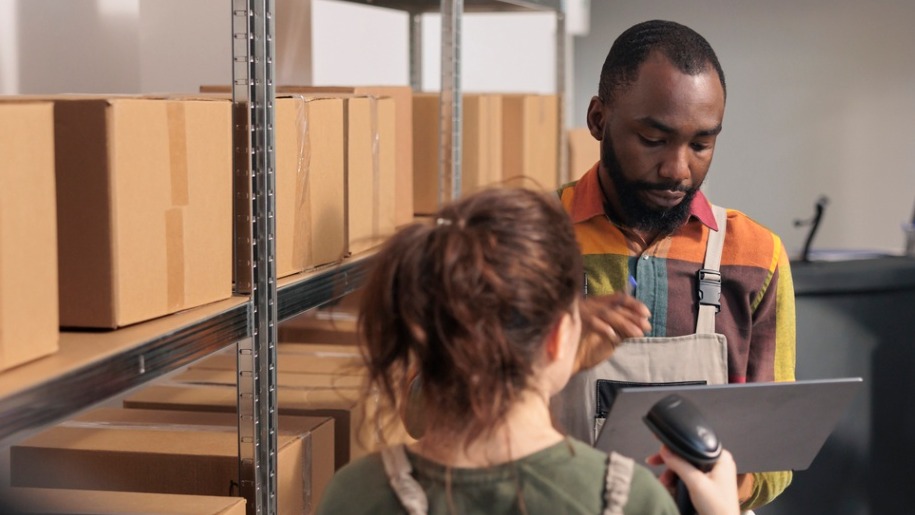
De-kitting
Definition
De-kitting is the process of disassembling a pre-packaged kit or assembled product into its individual components. It is used in warehouses and reverse logistics to inspect, restock, repair, or repurpose parts and to update inventory accurately.
Overview
De-Kitting The process of breaking an existing kit or multipack back into its individual components.
De-kitting converts assembled kits, multipacks, or promotional bundles back into discrete SKUs so components can be restocked, repackaged, or redistributed. In a fulfillment environment de-kitting is a controlled reverse of the kitting process: it requires identification of the kit, verification of component counts and conditions, routing of usable parts to inventory or replenishment, and disposition of damaged or expired items. The operation is common in returns processing, inventory consolidation, seasonal merchandising changes, and quality rework.
What The Process Typically Covers
De-kitting workflows vary by facility size and product type, but most include these core steps.
- Identification: Scan or verify the kit/multipack to pull the kit record and Bill of Materials (BOM).
- Disassembly: Physically open or separate packaged components following any manufacturer or safety guidelines.
- Inspection: Check each component for damage, expiration, tampering, or missing items.
- Counting & Reconciliation: Adjust inventory counts in the WMS/TMS and record discrepancies against the original kit quantity.
- Disposition: Route good parts back into stock locations or put damaged units into quarantine or returns lanes.
Why Warehouse Managers Should Care
De-kitting impacts inventory accuracy, storage utilization, and order fulfillment speed. If de-kitting is ad hoc and undocumented it can create phantom inventory and increase pick errors. Done correctly it recovers sellable components, reduces waste from obsolete kits, and supports rapid reconfiguration of product assortments during promotions or seasonal transitions.
How De-Kitting Varies By Use Case
The operational detail changes depending on whether de-kitting is performed for returns, replenishment, or reconfiguration.
- Returns Processing: Focuses on inspection and disposition—restock, refurbish, or scrap—with clear RMA workflows and crediting rules.
- Replenishment/Break Packs: Emphasizes rapid counting and accurate WMS adjustments so components become available for picking as quickly as possible.
- Promotional Breakdowns: Often scheduled in batches with quality checks and repackaging plans to recreate new kits or bundles.
Who Typically Performs De-Kitting
Staffing depends on complexity and risk.
- Warehouse Associates: Trained floor personnel handle standard de-kitting tasks with barcode scanners and WMS prompts.
- Quality Technicians: Required when inspection, refurbishment, or repackaging is needed to meet product standards.
- Supervisors/Inventory Controllers: Oversee reconciliation, system adjustments, and exception handling for shortages or overages.
Equipment And Software Needed
De-kitting benefits from modest capital and software support to minimize errors and speed throughput.
- WMS Integration: Real-time stock adjustments and kit BOM visibility are essential to prevent double-counting or lost inventory.
- Barcode/RFID Scanners: Ensure accurate identification of kits and components during breakdown and restock.
- Workbenches And Packing Tools: Standardized stations with cutters, scales, label printers, and disposables improve ergonomics and throughput.
- Conveyor Or Sortation (for high volume): Automates movement of components to quarantine, restock, or repack lanes.
Labor, Safety, And Quality Considerations
De-kitting often involves repetitive manual tasks and sharp tools. Ergonomics and QA procedures reduce injury and shrink.
- Ergonomic Setup: Adjustable benches, anti-fatigue mats, and proper cutting tools lower musculoskeletal risk.
- Inspection Protocols: Use checklists and photo evidence for returns to support warranty or credit decisions.
- Traceability: Keep records linking disassembled components back to lot codes or serial numbers when recall or warranty issues exist.
Practical Example
A retail fulfillment center receives a pallet of returned multipacks of batteries sold in packs of four. Associates scan the multipack barcode, open the blister pack, inspect individual cells for leaks or corrosion, count usable cells, and update the WMS to increase single-cell inventory. Damaged cells are logged to a returns batch and palletized for hazardous waste processing per company policy. Usable cells are re-slotted into pick locations to replenish low-stock SKUs.
Operational Tips To Reduce Cost And Error
- Standardize Procedures: Create step-by-step de-kitting SOPs and train associates on the kit BOM and disposition rules.
- Batch Similar Kits: Process like-for-like kits in scheduled batches to reduce setup time and inspection variation.
- Use WMS Prompts: Force inventory adjustments through the system rather than manual spreadsheets to maintain accuracy.
- Measure Yield: Track the percentage of components recovered per de-kitted unit to evaluate economic viability.
In short, the De-Kitting operation is a straightforward but impactful procedure that returns value from assembled packages when handled with systems, clear SOPs, and appropriate ergonomics. Properly executed, de-kitting protects inventory accuracy, recovers sellable components, and supports flexible fulfillment strategies.
Sources And Additional Reading (4)
- MHI | Material Handling and Logistics
“MHI | Material Handling and Logistics.” MHI, https://www.mhi.org/.
- Warehousing Education and Research Council (WERC)
“Warehousing Education and Research Council (WERC).” WERC, https://werc.org/.
- Ergonomics
“Ergonomics.” Occupational Safety and Health Administration, https://www.osha.gov/ergonomics.
- Modern Materials Handling
“Modern Materials Handling.” Modern Materials Handling, https://www.mmh.com/.
More from this term
Looking for a 3PL?
Compare warehouses on Racklify and find the right logistics partner for your business.