
How Flammable Liquid Handling Is Transforming Logistics Operations
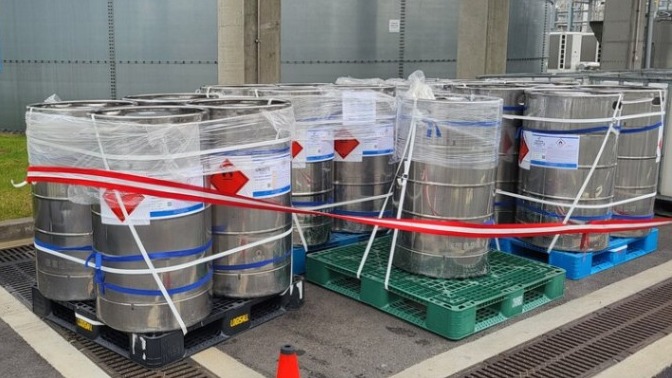
Flammable Liquid
Definition
A flammable liquid is a liquid that produces enough vapor at normal temperatures to form an ignitable mixture with air and can catch fire easily; it is typically characterized by a low flash point. Because of the fire risk, flammable liquids require special storage, handling, labeling, and transport controls to prevent ignition and protect people and property.
Overview
Handling flammable liquids has long been a specialist part of logistics, but recent changes in regulation, e-commerce growth, technology and risk-management expectations are accelerating its influence across the industry. Logistics operations that move, store or transport flammable liquids now require dedicated infrastructure, new processes, tighter integration with software, and more rigorous training — and those requirements are reshaping how warehouses, carriers and 3PLs operate.
Why flammable liquid handling matters now
There are several converging forces making flammable liquids a transformational focus. Regulatory regimes (international and national) have tightened classification, packaging and documentation rules. E-commerce and smaller-batch shipping mean more frequent moves of hazardous consumer and industrial liquids. Insurers and corporate risk teams demand greater visibility and control. And technology — from sensors to management software — now makes safer, more efficient handling practical at scale.
Operational impacts in the warehouse
Warehouses handling flammable liquids are changing in visible ways:
- Dedicated storage zones: Modern facilities segregate flammable liquids by hazard class and compatibility. These zones often include fire-rated walls, spill containment, dedicated drainage and restricted access.
- Specialized racking and cabinets: Approved flammable-storage cabinets, secondary containment pallets and low-spark shelving reduce ignition and spill risks for stored drums, totes or packaged liquids.
- Ventilation and detection: Enhanced ventilation systems, vapor detection sensors and automatic shutdown linkages are being adopted to detect and mitigate vapor build-up before it becomes an ignition hazard.
- Fire suppression and emergency systems: Warehouses increasingly use suppression and alarm systems designed for flammable-liquid fires, plus clear evacuation and isolation protocols.
Transportation and packaging changes
Transport providers and packers face new expectations:
- Compliant packaging: Use of UN-approved drums, IBCs and intermediate packaging with correct labeling and documentation (UN numbers, hazard labels, SDS) is required and more strictly enforced by carriers.
- Mode selection and routing: Carriers and shippers evaluate mode suitability more carefully — for example, routing flammable liquids away from densely populated areas or using specialized tankers for bulk fuels.
- Load planning and segregation: LTL and full-truckload planning must factor in incompatible materials and fire load limits, changing how shipments are consolidated and routed.
Technology and software integration
Software is a core enabler of safer and more efficient flammable-liquid handling:
- WMS/TMS hazmat modules: Warehouse Management Systems and Transport Management Systems now include hazmat classification, storage location controls, and packing rules to prevent incompatible storage or improper load mixes.
- Real-time visibility: IoT sensors for temperature, vapor concentration and container integrity feed dashboards and alerts, enabling proactive interventions.
- Compliance automation: Systems help generate accurate shipping papers, track training certifications, and ensure documentation like SDS and UN numbers accompany shipments.
People, training and certification
Flammable liquid handling elevates the importance of trained personnel. Employers increasingly require:
- HAZMAT and HAZWOPER training for handlers and drivers.
- Regular refresher courses and competency checks tied to the WMS so only certified staff can access certain zones or execute specific tasks.
- Clear, practiced emergency response plans and fire drills tailored to flammable-liquid incidents.
Risk management and insurance
Carriers, warehouses and shippers are responding to insurer requirements and internal risk policies with stronger controls. This includes more rigorous incident reporting, stricter limits on quantities stored per location, and investment in mitigation equipment. In some regions, facilities that invest in better controls receive lower premiums or allow higher storage capacities.
Business benefits and efficiency gains
While increased controls mean upfront investments, many operators see net benefits. Safer storage and transport reduce incident costs and downtime. Automation and software reduce manual paperwork and errors, speeding throughput. Better visibility reduces delays at customs and carriers, improving on-time delivery rates for hazardous shipments and regular inventory alike.
Examples and use cases
Paint and coatings distributors have reworked distribution centers to include segregated solvent storage rooms with explosion-proof lighting and vapor detection, reducing loss claims and speeding order fulfillment. Chemical e-commerce platforms now integrate WMS rules that block hazardous items from certain carriers at checkout, preventing rejected shipments and compliance fines. Fuel distributors use telematics and tank sensors to optimize routing and reduce spill risk during last-mile deliveries.
Common challenges and mistakes
Common pitfalls include underestimating the complexity of regulatory compliance, mixing incompatible materials in consolidation, insufficient training or recordkeeping, and adopting technology without proper process redesign. Another frequent mistake is applying generic warehouse metrics (like space utilization) without accounting for the reduced usable capacity when flammable liquids require separation and containment.
Practical steps for logistics operators
Operators looking to adapt should start with a risk-based assessment of current processes, ensure accurate inventory classification, invest in zoning and containment, integrate hazmat rules into their WMS/TMS, and implement an ongoing training and audit program. Partnering with experienced hazmat carriers and consultants helps accelerate compliance and avoid costly mistakes.
Outlook
As regulations and customer expectations continue to evolve, flammable-liquid handling will remain a driver of investment in infrastructure, training and technology. The net effect is safer, more transparent logistics operations that, while more complex, offer improved reliability and lower long-term risk.
Sources And Additional Reading (3)
- Flammable Liquids - 1910.106
“Flammable Liquids - 1910.106.” OSHA, https://www.osha.gov/laws-regs/regulations/standardnumber/1910/1910.106.
- Hazardous Materials Regulations
“Hazardous Materials Regulations.” PHMSA, https://www.phmsa.dot.gov/standards-rulemaking/hazmat/hazardous-materials-regulations.
- NFPA 30: Flammable and Combustible Liquids Code
“NFPA 30: Flammable and Combustible Liquids Code.” NFPA, https://www.nfpa.org/codes-and-standards/nfpa-30-standard-development/30.
More from this term
Looking for a 3PL?
Compare warehouses on Racklify and find the right logistics partner for your business.