
How Leakproof Packaging Is Redefining Modern Logistics Operations
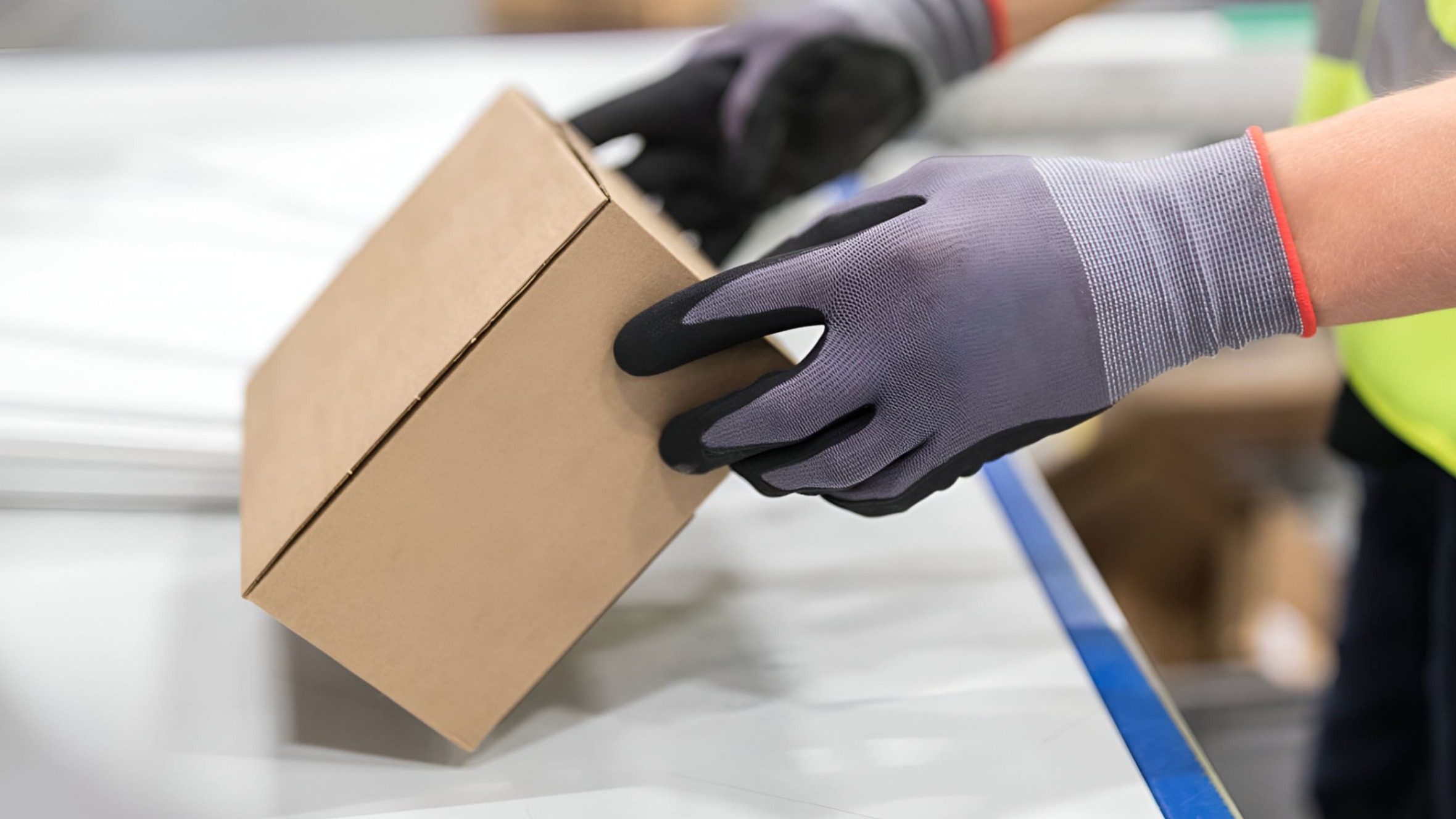
Leakproof Packaging
Definition
Leakproof packaging is packaging engineered to prevent liquids, gels, or semi-liquid contents from escaping during storage, handling, and transport. It relies on secure seals, barrier materials, and robust closures to protect the product, surrounding shipments, and the environment from contamination or damage.
Overview
Leakproof packaging refers to containers, closures, and secondary protection systems designed to prevent the escape of liquids, pastes or other flowable contents during handling, storage and transportation. In modern logistics operations, leakproof design is more than a label claim: it is an operational strategy that protects people, inventory, equipment and brand reputation while enabling faster, safer movement of goods across increasingly complex supply chains.
Why leakproof packaging matters
Even a single spilled pallet can halt a dock, contaminate other SKUs, trigger a costly hazardous-materials response, or create a product recall. Leakproof packaging reduces these risks by keeping product contained under the stresses of real-world logistics: drops, vibration, compression, temperature swings and long transit times. For beginners, think of leakproof packaging as the combination of the right container material, closure type and secondary protection that together make it extremely unlikely a product will escape.
Types and common forms
- Rigid containers: Bottles, drums, jerrycans and Intermediate Bulk Containers (IBCs) with gasketed lids or welded seams used for chemicals, food, and pharmaceuticals.
- Flexible packaging: Spouted pouches, bag-in-box, and multi-layer film pouches designed to resist punctures and seal reliably.
- Sealed closures and valves: Tamper-evident caps, induction seals, pressure-relief valves and engineered dispensing spouts.
- Secondary containment: Overpacks, trays with absorbents, shrink-wrap, and pallet-level bundling that catch leaks before they spread.
- Reusable returnable systems: Reconditioned IBCs and stainless-steel drums that combine durability with leakproof fittings.
How leakproof packaging is redefining logistics operations
- Operational continuity: Fewer spills mean less downtime for cleanup and faster dock throughput. This improves labor productivity and throughput KPIs in fulfillment centers and cross-docks.
- Lower total cost of risk: Reduced insurance claims, fewer product losses and smaller hazardous response costs lower the end-to-end cost per shipment even if unit packaging costs are slightly higher.
- Regulatory and safety compliance: For hazardous materials, food, and pharmaceuticals, leakproof systems help meet strict regulatory requirements for containment, minimizing fines and recalls.
- Customer experience and brand protection: Delivering undamaged, leak-free goods reduces customer returns and complaints and protects reputation—critical in e-commerce and B2B supply chains.
- Sustainability trade-offs and innovation: Leakproof design encourages circular systems (reusable IBCs, returnable liners) and drives innovation in mono-material high-barrier films that are easier to recycle than traditional multi-layer laminates.
Best practices for implementation
- Start with a risk assessment: Map product properties (viscosity, volatility, corrosiveness), transport modes, and handling points to determine containment needs.
- Choose materials for compatibility: Select plastics, metals or linings that resist chemical attack and maintain seals across the temperature range expected in transit.
- Design for real-world abuse: Test to recognized standards (drop, compression, vibration, pressure) and simulate stacking and temperature extremes.
- Layer containment: Use primary leakproof packaging plus secondary containment when needed—e.g., drums inside an overpack or pouches inside a box with absorbent pads.
- Quality assurance and supplier control: Require material certificates, perform incoming inspections, and run sample pilot shipments before full rollout.
- Train handlers and carriers: Ensure warehouse staff and transportation partners understand sealing procedures, palletizing techniques and emergency response processes.
- Measure outcomes: Track claims, spills, returns and handling time to quantify benefits and refine packaging choices.
Common mistakes to avoid
- Choosing packaging on price alone: Low-cost closures or films can fail under pressure or temperature variation, producing far greater costs downstream.
- Skipping compatibility testing: Packaging that reacts with product formulations can degrade seals or promote leaks over time.
- Underestimating transport stresses: Laboratory-friendly samples can still leak during long multimodal transit if stacking loads or vibrations aren’t considered.
- Neglecting secondary containment: Relying solely on a single seal can mean a small failure becomes a large incident. Secondary layers catch what primary systems miss.
- Poor labeling and documentation: Leak-prone goods require clear handling instructions and emergency procedures; without these, response is slower and impact larger.
Real-world examples
- A chemical manufacturer switched from inexpensive open-top drums to gasketed, screw-cap IBCs and saw a 70% drop in freight claims and a measurable reduction in spill-cleanup costs—paying back the higher container cost within months.
- Food e-commerce brands adopting spouted, resealable pouches reduced breakage and leaks during last-mile delivery, cutting customer returns and positive reviews increased.
- Pharmaceutical cold-chain suppliers use tamper-evident, leakproof vials and secondary sealed trays to protect vaccines during long-haul air and ground transit.
Measuring success
Key indicators include reductions in claims and returns, fewer safety incidents, lower cleanup and disposal costs, improved order fill rates for liquid SKUs, and customer satisfaction scores. Environmental metrics—less wasted product and higher reuse rates—are increasingly important to procurement and sustainability teams.
Conclusion
Leakproof packaging is a practical, high-impact lever in modern logistics. When selected and tested properly it reduces risk, operational friction and cost while supporting regulatory compliance and customer satisfaction. For logistics teams, the shift is strategic: invest in better containment design and processes up front, and you unlock more reliable, efficient and sustainable supply chains downstream.
Sources And Additional Reading (3)
- Packaging Standards
“Packaging Standards.” ASTM International, https://www.astm.org/products-services/standards-and-publications/standards/packaging-standards.html.
- Protective Packaging
“Protective Packaging.” Sealed Air, https://www.sealedair.com/products/protective-packaging.
- ISTA Test Procedures
“ISTA Test Procedures.” International Safe Transit Association, https://ista.org/test_procedures.php.
More from this term
Looking for a 3PL?
Compare warehouses on Racklify and find the right logistics partner for your business.