
How Much Does Tamper-Evident Packaging Cost? A U.S. Warehouse Cost Breakdown
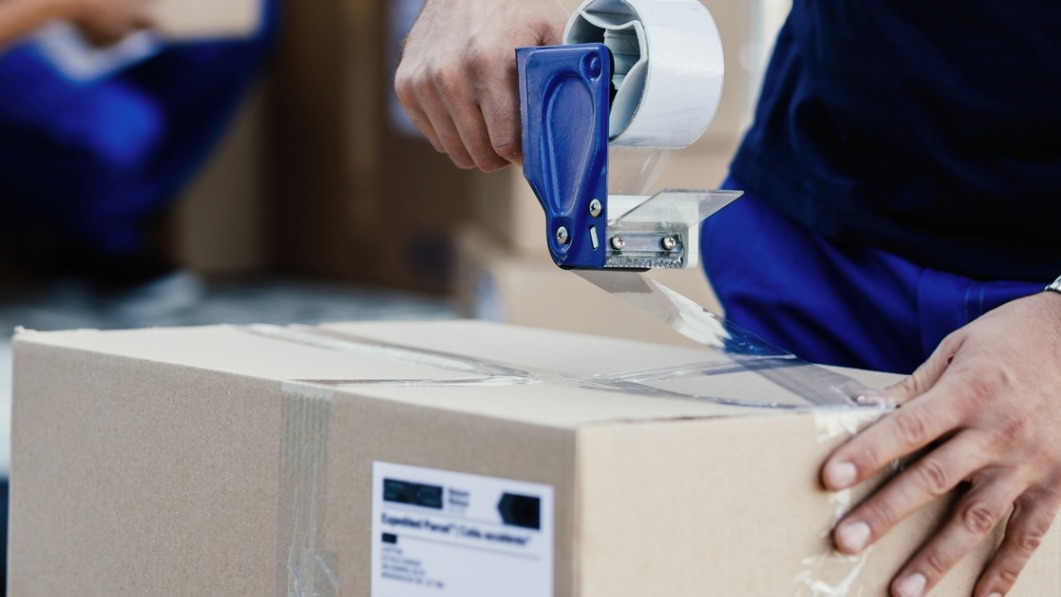
Tamper-Evident Packaging
Definition
Tamper-evident packaging is packaging designed to show visible signs when it has been opened, altered, or interfered with. It uses features like seals, shrink bands, breakable caps, or special labels to provide a clear indication of tampering, helping protect product integrity and reassure consumers.
Overview
Tamper-Evident Packaging is packaging designed to provide visible evidence if a product has been opened or altered. Cost is one of the first questions logistics and procurement teams ask when specifying tamper-evident solutions—this article breaks down the components of cost, typical ranges, and how to calculate return on investment in U.S. warehouse operations.
Costs for tamper-evident features appear in several categories: material unit cost, equipment and tooling, integration and software, labor impact, testing/validation, and lifecycle or disposal costs. Below are typical cost drivers and practical figures to guide budgeting. Exact prices vary by volume, supplier, design complexity, and material selection.
Material Unit Costs
Material costs scale with feature type and performance level. Typical per-unit ranges (U.S., small to medium volumes) are:
- Void Tape / Security Tape: $0.03–$0.20 per application depending on width, adhesive, and customization.
- Serialized Tamper Labels: $0.05–$0.50 per label for printed, barcode/serialized versions; holographic or tamper-resistant laminates increase cost.
- Shrink Bands / Sleeves: $0.05–$0.30 per band for standard formats; full-body sleeves cost more.
- Induction Seals / Foil Liners: $0.05–$0.40 per seal depending on liner material and sealing complexity.
- Electronic Sensors / RFID Tamper Tags: $0.20–$5.00+ per tag depending on passive vs active, programmability, and sensor features.
Equipment, Tooling, And Capital Expenditure
Applying some tamper-evident features requires capital equipment. Budget items include applicators, induction sealer heads, shrink tunnels, label printers, and RFID encoders.
- Label/Tape Dispensers: $200–$5,000 depending on manual vs automated and production speed.
- Induction Sealers: $2,000–$40,000 depending on size and automation level.
- Shrink Tunnels / Sleeve Applicators: $5,000–$60,000 for automated lines.
Labor And Throughput Impact
Adding tamper-evident steps can slow packing lines or require additional operators. Estimate labor by time per application multiplied by labor rate. For example, a manual void-tape application adding 3–6 seconds per carton at $18/hour adds roughly $0.015–$0.03 per carton in labor. Automated systems often raise capex but lower per-unit labor costs.
Validation, Testing, And Compliance Costs
Regulated industries (pharma, medical devices, some foods) require formal testing and documented procedures. Validation costs include lab tests, third-party certification, and written protocols. Budget $2,000–$20,000 for formal validation work depending on scope, with ongoing audit costs for compliant operations.
Lifecycle, Disposal, And Sustainability Costs
Non-recyclable or composite tamper components may increase waste-handling costs and conflict with sustainability commitments. Consider potential costs for return-to-vendor programs, recycling fees, or customer complaints tied to packaging waste.
Calculating ROI And Cost Justification
Estimate ROI by comparing installed tamper-evident cost to avoided losses and intangible benefits. Avoided costs include theft, contaminated or returned product, brand-damage remediation, and regulatory fines. Example approach:
- Baseline Losses: Sum annual losses from theft, tampering incidents, returns, and recalls attributable to packaging gaps.
- Implementation Cost: Annualize capex plus recurring material and labor costs.
- Net Benefit: Subtract implementation cost from avoided losses; divide by implementation cost to get ROI.
As a rule of thumb, if annual avoided losses exceed the annualized cost by a factor of two, the program is financially defensible; intangible benefits (brand trust and regulatory compliance) strengthen the case further.
Who Typically Pays And Contracting Models
Responsibility for tamper-evident costs varies by contract. Merchants selling branded goods usually absorb packaging costs; private-label manufacturers may pass costs to retailers. In 3PL arrangements, charges can be added as packaging SKUs, per-shipment fees, or capital amortization schedules. Ensure contracts specify ownership of equipment, training obligations, and liability for improper application.
Cost-Reduction Strategies
- Volume Consolidation: Negotiating higher volumes reduces per-unit material costs.
- Standardization: Use the same label or seal across multiple SKUs to lower tooling and inventory varieties.
- Hybrid Approaches: Combine a low-cost visual indicator (void tape) with serialized tracking only on high-risk SKUs.
In short, the Tamper-Evident Packaging cost picture combines materials, equipment, labor, and validation. Accurate budgeting requires pilot trials and an honest accounting of current losses; when implemented thoughtfully, tamper-evidence often pays for itself through reduced returns, fewer incidents, and stronger customer trust.
Sources And Additional Reading (4)
- GS1
“GS1.” GS1, https://www.gs1.org/.
- U.S. Food and Drug Administration
“U.S. Food and Drug Administration.” U.S. Food and Drug Administration, https://www.fda.gov/.
- Warehousing Education and Research Council (WERC)
“Warehousing Education and Research Council (WERC).” Warehousing Education and Research Council, https://www.werc.org/.
- Packaging World
“Packaging World.” Packaging World, https://www.packworld.com/.
More from this term
Looking for a 3PL?
Compare warehouses on Racklify and find the right logistics partner for your business.