
How Non-Hazardous Liquid Packaging Is Transforming Global Distribution
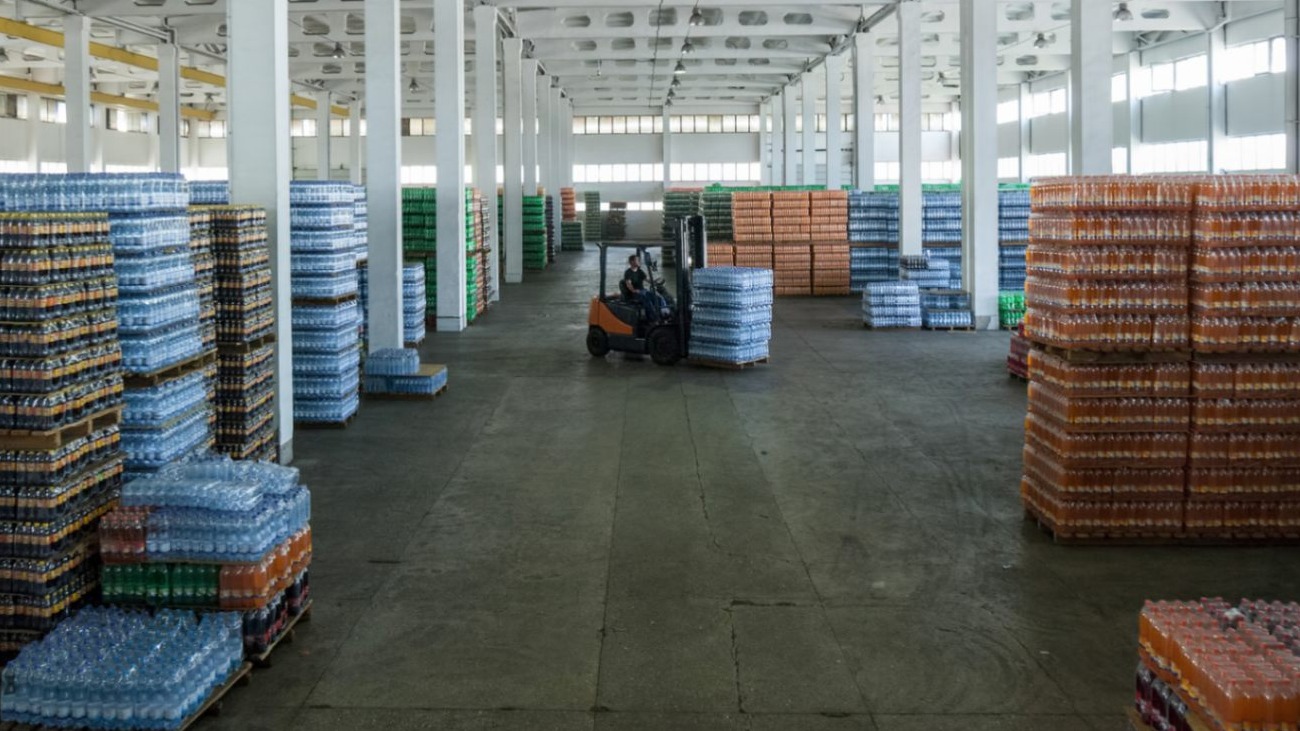
Non-Hazardous Liquid
Definition
A non-hazardous liquid is a fluid that does not meet regulatory criteria for hazardous materials and poses minimal risk to health, safety, or the environment under normal handling. These liquids can generally be stored, transported, and disposed of using standard precautions, though basic measures such as containment, labeling, and spill cleanup are still recommended.
Overview
What is a non-hazardous liquid?
Non-hazardous liquids are fluids that do not meet regulatory definitions of hazardous materials for transport, storage, or handling. Examples include many food and beverage liquids, household cleaners with mild formulations, water-based inks, basic oils for non-industrial use, and a wide range of cosmetic and pharmaceutical liquid products that are stable, non-toxic, and non-flammable. For a beginner, it helps to think of non-hazardous liquids as everyday fluids you can safely handle with ordinary care and common packaging, without specialized permits or hazmat controls.
Why packaging matters for distribution
Packaging is the bridge between a product and the global distribution system. For non-hazardous liquids, packaging protects the product, lowers shipping costs, enables efficient warehousing, and affects customer satisfaction. Well-designed packaging prevents leaks and contamination, reduces weight and volume, and makes handling faster and safer for workers. In the context of international trade, packaging decisions influence palletization, container loading, and compliance with destination-country import rules, even when the product itself is non-hazardous.
Types of packaging transforming distribution
Several modern packaging formats are driving changes in how non-hazardous liquids move through global supply chains:
- Flexible packaging: Pouches, stand-up bags with spouts, and bag-in-box systems reduce weight and storage volume compared with rigid containers. They allow more units per pallet and fewer empty-space inefficiencies in shipping containers.
- Lightweight rigid containers: Thin-wall plastic bottles, recyclable HDPE jugs, and PET containers offer durability at reduced mass, lowering freight costs and carbon footprints.
- Concentrate and refill systems: Concentrated formulas and refill cartridges cut volume and shipping frequency. Consumers and distributors refill reusable dispensers locally, dramatically reducing distribution complexity.
- Unit-dose and single-serve formats: For certain markets, single-use sachets and small-dose vials simplify inventory, reduce waste, and expand market reach to regions with limited storage.
- Smart packaging: Built-in sensors, QR codes, and tamper-evident features improve tracking, traceability, and consumer confidence during global transit.
How packaging choices reshape global distribution
Packaging innovations for non-hazardous liquids are altering distribution in multiple practical ways:
- Space efficiency and reduced shipping cost: Flexible and compact formats increase the number of sellable units that fit on pallets and shipping containers, lowering per-unit freight cost.
- Improved handling and throughput: Standardized, stackable packaging speeds loading and unloading, reduces handling errors, and improves warehouse throughput. This is critical for third-party logistics providers and fulfillment centers managing high volumes.
- Lower damage and returns: Leak-proof designs, reinforced closures, and better secondary packaging reduce spoilage, customer returns, and associated reverse logistics costs.
- Faster market access: Lightweight and modular packaging reduces transit times and customs friction in many markets, enabling brands to reach more regions faster without heavy regulatory overhead.
- Environmental and cost benefits: Refillable and concentrated goods mean fewer shipments and less waste, which appeals to eco-conscious consumers and lowers both material and transportation expenses.
Real-world examples
Think of ready-to-drink beverages shifting to lightweight PET bottles that cut container weight and shipping cost, or household cleaners moving to concentrated refill sachets that consumers mix at home. Supermarkets and e-commerce sellers increasingly stock liquid personal care products in bag-in-box formats for manual refill stations, reducing packaging waste and simplifying inventory for store chains. In each case, packaging choices reduce handling complexity and make distribution routes more efficient.
Best practices for implementing packaging changes
Transitioning to new packaging formats requires coordination across product development, procurement, warehousing, and logistics:
- Start with demand and cost modeling to quantify savings in freight, warehousing, and returns for each packaging option.
- Test packaging for transport stress and shelf-life under expected environmental conditions to prevent surprises in new markets.
- Design packaging for standardization: dimensions that optimize pallet patterns and maximize container cube utilization.
- Work with logistics partners early to ensure material handling equipment and warehouse flows accommodate new formats.
- Plan consumer education and labeling for any refill or concentrated products so end users can easily adopt them without complaints or misuse.
Common mistakes to avoid
Even with obvious benefits, companies sometimes misstep when changing packaging for non-hazardous liquids. Avoid these common errors:
- Underestimating packaging testing: minor seal or compatibility issues can lead to significant losses if discovered only after large-scale rollout.
- Neglecting reverse logistics: switching to refillable or concentrated formats often requires new channels for returns, recycling, or refill management.
- Ignoring local regulations and customer expectations: even non-hazardous liquids may face labeling, language, or recycling requirements in target markets.
- Failing to align with warehouse operations: new shapes or materials that do not stack well can increase handling costs despite lower freight weight.
Sustainability and circularity
Packaging that reduces material use, enables reuse, or improves recyclability has become a major driver in distribution strategy. For non-hazardous liquids, refill stations, concentrates, and lightweight materials reduce lifecycle emissions and waste. Companies that combine performance with clear recycling instructions and take-back or refill programs often gain competitive advantage and lower total supply chain costs.
Regulatory and compliance considerations
Non-hazardous status simplifies compliance compared with regulated hazmat products, but shippers still must meet general transport rules, customs documentation, and destination-country labeling. Some countries have specific rules for food-grade packaging, pharmaceutical liquids, or cosmetics. Working with freight forwarders and compliance consultants ensures smooth cross-border movement and avoids delays.
Final thoughts
The packaging of non-hazardous liquids may seem like a small piece of product design, but it has outsized influence on global distribution. Thoughtful packaging reduces cost, improves sustainability, increases market reach, and enhances customer experience. For beginners exploring this topic, focus on three priorities: ensure product protection, optimize dimensions and weight for transport, and plan for end-user convenience and environmental performance. When those priorities align, packaging becomes a strategic lever that transforms how liquids move around the world.
Sources And Additional Reading (3)
- Liquid Packaging Solutions
“Liquid Packaging Solutions.” Coesia, https://www.coesia.com/en/solutions/liquid-filling.
- Flexible Packaging Association
“Flexible Packaging Association.” Flexible Packaging Association, https://www.flexpack.org/.
- Packaging Standards
“Packaging Standards.” ASTM International, https://www.astm.org/products-services/standards-and-publications/standards/packaging-standards.html.
More from this term
Looking for a 3PL?
Compare warehouses on Racklify and find the right logistics partner for your business.