
How Oversized Fulfillment Is Transforming Modern Logistics
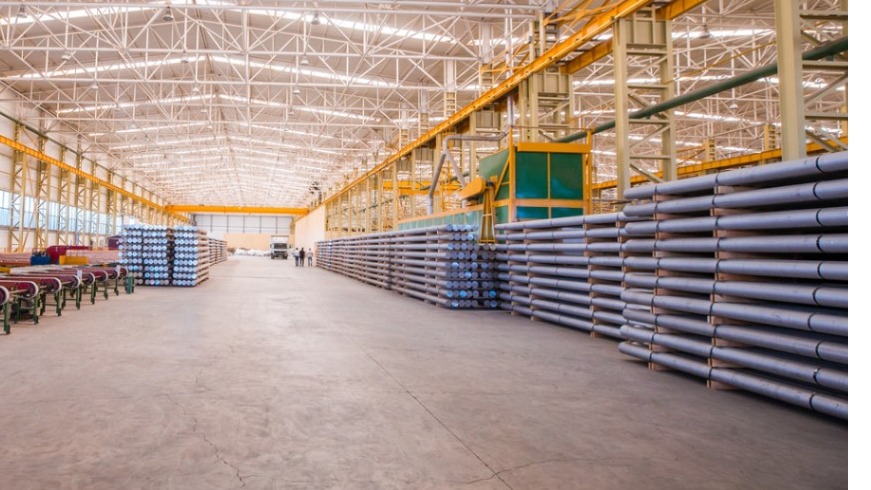
Oversized Fulfillment
Definition
Oversized Fulfillment refers to the warehousing and shipping process for items that exceed standard size or weight limits and therefore require special handling, storage, packaging, or transport arrangements. These orders typically need dedicated equipment, palletization or crating, specialized carriers, and may incur higher costs and longer lead times due to dimensional weight rules and logistics complexity.
Overview
What oversized fulfillment is
Oversized fulfillment describes the end-to-end logistics for items that do not fit standard pallet, carton, or parcel profiles. Examples include furniture, appliances, industrial components, prefabricated building parts, wind-turbine blades, and large machinery. These goods are typically defined by extreme dimensions, nonstandard shapes, or weights that trigger special handling rules, higher shipping rates, and unique storage requirements.
Why it matters and how it is changing logistics
The growth of e-commerce for large goods and expanding B2B demand has made oversized fulfillment a mainstream logistics challenge rather than a niche service. Modern logistics is adapting in four main ways: infrastructure, technology, carrier models, and customer experience. Warehouses are redesigning storage and receiving areas, software providers are extending warehouse management systems (WMS) and transportation management systems (TMS) to support dimensional data and route planning, carriers are offering specialized pickup and last-mile services, and shippers are emphasizing transparent timelines and damage protection for end customers.
Key operational differences from standard fulfillment
- Space and racking: Oversized items need larger footprints, heavy-duty racking, or floor staking areas rather than standard shelving.
- Material handling: Specialized equipment such as forklifts with extended reach, telehandlers, cranes, and flatbed trailers are common.
- Packaging and protection: Crating, bracing, custom skids, and protective films are used to prevent damage.
- Transportation modes: Shipments often move by truck (flatbed or step deck), rail, sea breakbulk, or specialized air freight rather than parcel carriers.
- Shipping rules and costs: Dimensional constraints, weight thresholds, oversize/overweight surcharges, permits, and escort requirements can apply.
Types of oversized fulfillment services
- White-glove delivery: Includes scheduled delivery windows, inside placement, and debris removal—popular for furniture and appliances.
- Heavy-lift and rigging: For industrial machinery requiring cranes and rigging teams to install or remove equipment.
- Breakbulk and project freight: Consolidation and handling for very large consignments traveling by sea or rail.
- Dedicated transportation and flatbed services: For long, wide, or heavy loads needing special trailers and routing.
How technology is helping
Modern WMS and TMS platforms now capture precise dimensions and weights at the SKU level, enabling accurate rate shopping and carrier selection. Route optimization, permit management, and exception handling features reduce delays. Real-time visibility and digital proof of delivery improve customer confidence. Emerging tools include 3D scanning for dimension capture, AI-based route planning that accounts for bridge and road restrictions, and integration between order, warehouse, and carrier systems to automate bookings and notifications.
Best practices for implementing oversized fulfillment
- Start with accurate data: Measure and record dimensions, weight, center of gravity, and any special handling notes for each SKU. Dimensional errors are the most common cause of misrouting and incorrect pricing.
- Segment storage and processes: Create dedicated zones for receiving, staging, packing/crating, and holding. Avoid mixing oversized SKUs with standard inventory to reduce congestion and errors.
- Invest in the right equipment: Ensure material handling equipment, dock layouts, and yard management support oversized flows. Consider forklifts with different capacities, cranes, and loading ramps.
- Choose carriers and services strategically: Evaluate carriers on route coverage, equipment types, transit times, damage rates, and white-glove capabilities. Use TMS rate-shopping to compare total landed costs, not just headline freight rates.
- Design packaging for handling and sustainability: Use reusable skids, modular crating, and protective wraps that minimize waste while safeguarding goods.
- Train staff thoroughly: Handling oversized items often requires two-person or specialized teams. Clear procedures reduce injury risk and product damage.
- Communicate proactively with customers: Provide narrow delivery windows, clear installation instructions, and easy options for rescheduling to reduce failed deliveries.
- Measure the right KPIs: Track on-time delivery for oversized loads, damage rates, dwell time in staging areas, and cost per move to identify improvement areas.
Common mistakes to avoid
- Underestimating dimensional data: Using default package sizes or guessing dimensions leads to booking errors and unexpected surcharges.
- Poorly designed receiving and staging areas: Congested docks and mixed flows increase handling time and risk of damage.
- Relying on standard parcel carriers without verifying equipment and access needs: Some carriers cannot support inside delivery or heavy lifts.
- Neglecting route permits and restrictions: Oversize loads can require special permits, escorts, or alternate routes—failure to plan causes costly delays.
- Ignoring packaging and securing: Inadequate crating or bracing is a leading cause of transit damage for large items.
Real-world examples
- A furniture retailer implementing white-glove delivery with inside placement saw customer satisfaction rise and return rates fall because products arrived undamaged and properly installed.
- An industrial supplier using 3D scanning to capture exact dimensions eliminated repeated carrier reclassifications and reduced freight surcharges.
- A solar panel manufacturer coordinating project freight and local installation service providers reduced dwell time at the warehouse by pre-scheduling delivery windows and on-site crews.
Future trends
Expect continued digitization: automated dimensioning at receiving, tighter WMS–TMS integration, AI-driven mode and route selection that accounts for road restrictions, and greater use of modular, reusable protective packaging to improve sustainability. Last-mile solutions for oversized goods will expand, including urban consolidation centers and scheduled micro-deployments to reduce failed deliveries and congestion.
Final note
Oversized fulfillment is transforming logistics by pushing operations to be more flexible, technology-enabled, and customer-centric. With the right data, equipment, carrier partners, and processes, businesses can turn the complexity of large-item logistics into a competitive advantage.
Sources And Additional Reading (3)
- Final Mile Services
“Final Mile Services.” J.B. Hunt, https://www.jbhunt.com/solutions/final-mile-services.
- Last Mile
“Last Mile.” RXO, https://rxo.com/solutions/last-mile/.
- Special Handling and Oversize Packages
“Special Handling and Oversize Packages.” FedEx, https://www.fedex.com/en-us/shipping/oversize-packages.html.
More from this term
Looking for a 3PL?
Compare warehouses on Racklify and find the right logistics partner for your business.