
How Premium Packaging Influences Customer Buying Decisions
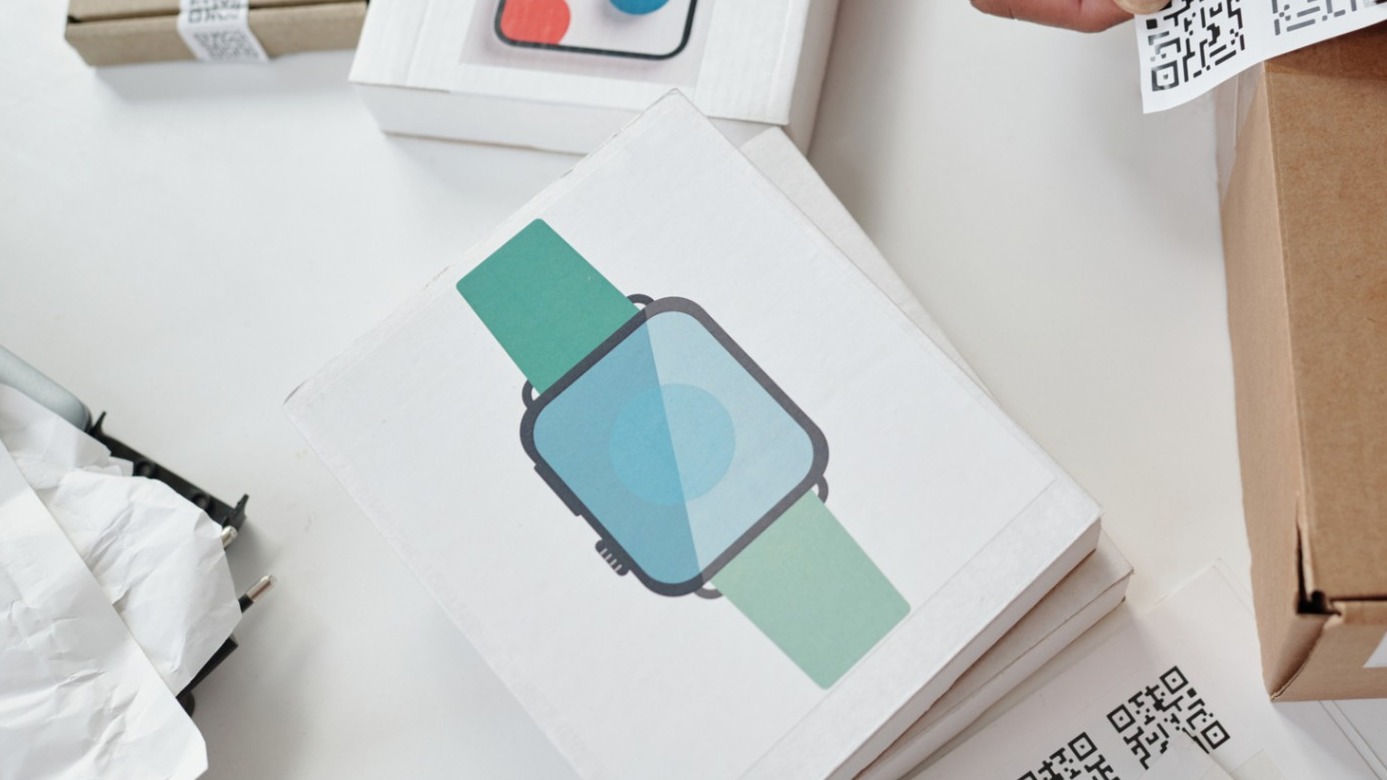
Premium Packaging
Definition
Premium packaging is high-quality, custom-designed packaging that uses superior materials, finishes, and structural design to protect products and enhance brand perception. It focuses on an elevated unboxing experience, improved functionality, and may include sustainable or specialty materials that justify higher cost and differentiate products in the market.
Overview
Premium packaging refers to thoughtfully designed, high-quality packaging that goes beyond basic protection to communicate brand values, create a memorable unboxing experience, and elevate perceived product value. For beginners, think of premium packaging as the combination of better materials, refined graphics, purposeful structure, and a deliberate sensory experience (touch, sight, sometimes smell) that together make the product feel more valuable.
Why premium packaging matters to buying decisions
Premium packaging influences customers at multiple stages of the buying journey. At first glance, it acts as a visual and tactile signal: higher-grade materials, clean design, and thoughtful details suggest that the product inside is also high quality. This perceived quality can justify a higher price, sway shoppers comparing similar items, and prompt faster purchase decisions.
Beyond the initial impression, premium packaging taps into emotional and psychological drivers. It creates anticipation and satisfaction during unboxing, which strengthens attachment to the product and brand. Consumers who have a positive unboxing experience are more likely to remember the brand, share images or reviews on social media, and become repeat customers. In short, premium packaging converts perception into action: higher conversion rates, larger average order values (AOV), and improved customer lifetime value (CLV).
How premium packaging works — the key mechanisms
- Perceived value and quality signaling: Premium materials and neat finishes act as heuristics for product quality, so customers assume the product is better than similarly priced alternatives with cheaper packaging.
- Emotional engagement: Unboxing can be a small moment of pleasure—brands that design for delight create stronger emotional bonds that influence future purchases.
- Social proof and shareability: Attractive packaging encourages customers to post photos and unboxing videos, which generates organic marketing and trust among peers.
- Price anchoring and justification: When packaging looks premium, customers are more willing to accept higher prices because the total experience aligns with the cost.
- Function and protection: Good packaging also reduces damage and returns, reinforcing reliability and indirectly supporting buying decisions based on trust.
Real-world examples (simple illustrations)
- Consumer electronics: A sleek, rigid box with foam inserts and minimalist printing communicates precision and premium engineering—think of high-end headphones or smartphones.
- Beauty and cosmetics: Layered packaging with inner sleeves, tissue, and elegant typography turns ordinary skincare into a luxury ritual, boosting giftability and recurring purchases.
- Food and beverage: Premium packaging for artisanal chocolate or specialty coffee both preserves freshness and signals craftsmanship that attracts discerning buyers.
How premium packaging affects stages of the customer journey
- Discovery and consideration: Premium packaging differentiates products visually on shelves or in product photos online, increasing clicks and in-store consideration.
- Purchase moment: The packaging reduces friction by aligning the perceived value with price and reducing buyer hesitation.
- Post-purchase and retention: A satisfying unboxing increases likelihood of return purchases, referrals, and social sharing.
Practical benefits for businesses
- Higher conversion rates and AOV due to stronger perceived value.
- Lower return rates and damaged-goods costs when packaging is protective and fit-for-purpose.
- Stronger brand differentiation in crowded markets.
- Increased organic marketing through user-generated content and word-of-mouth.
Beginner-friendly implementation steps
- Define the goal: Decide whether your priority is premium perception, protection, sustainability, reduced returns, or social shareability.
- Audit current packaging: Note materials, print quality, unboxing steps, and customer complaints.
- Choose key elements: Focus on a few impactful upgrades—better outer box, branded tissue, a simple insert, or a strong logo treatment.
- Prototype and test: Create samples and get feedback from customers or staff, then iterate.
- Measure: Track conversion rate, AOV, returns, NPS, and social mentions to evaluate impact.
Best practices
- Align packaging with brand story: Premium should reflect your brand promise, whether luxury, sustainability, or craftsmanship.
- Balance aesthetics and function: Look good but also protect the product and make opening intuitive.
- Be honest about sustainability: If you emphasize eco-friendly materials, ensure they truly meet standards—greenwashing undermines trust.
- Design for unboxing: A small ritual—like a pull tab, a thank-you card, or a memorable label—can create delight.
- Consider scalability and cost: Start with high-impact, low-cost elements and scale as you measure ROI.
Common mistakes to avoid
- Over-designing: Adding expensive finishes that don't enhance customer value or protect the product can erode margins.
- Neglecting functionality: If premium packaging is hard to open or doesn't protect the item, customers will be frustrated.
- Inconsistent branding: A premium outer box that contains a cheaply wrapped product sends mixed signals and reduces trust.
- Ignoring supply chain constraints: Exotic materials might complicate fulfillment, increase lead times, or be incompatible with existing pack sizes.
- Failing to measure: Without tracking conversions, returns, and customer sentiment, it's impossible to know if packaging investments pay off.
Metrics to watch
- Conversion rate (product page visits to purchases)
- Average order value (AOV)
- Repeat purchase rate and customer lifetime value (CLV)
- Return rate and damage claims
- Customer reviews, Net Promoter Score (NPS), and social engagement (unboxing posts)
Final note
Premium packaging is more than an expense—when thoughtfully designed and aligned with brand goals, it becomes an investment that shapes perception, encourages purchases, and fuels loyalty. For beginners, start small: identify one or two packaging elements that most directly influence your customers, prototype, measure results, and scale the changes that deliver clear returns.
Sources And Additional Reading (3)
- Luxury Packaging
“Luxury Packaging.” WestRock, https://www.westrock.com/markets/luxury.
- Premium Packaging
“Premium Packaging.” DS Smith, https://www.dssmith.com/packaging/industries/consumer/luxury.
- Sustainable Packaging Coalition
“Sustainable Packaging Coalition.” Sustainable Packaging Coalition, https://sustainablepackaging.org/.
More from this term
Looking for a 3PL?
Compare warehouses on Racklify and find the right logistics partner for your business.