
How Retail Distribution Is Transforming the Future of Logistics
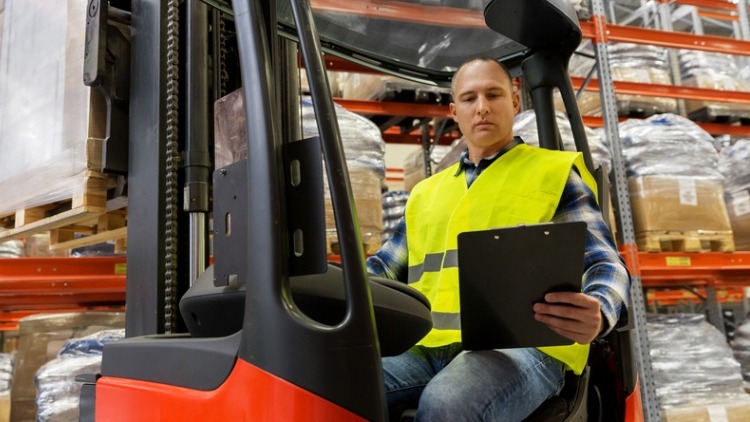
Retail Distribution
Definition
The process of delivering products from manufacturers or wholesalers to retail outlets where consumers can purchase them. It encompasses transportation, warehousing, inventory management, and merchandising to ensure the right products are in the right place at the right time. Effective retail distribution optimizes costs, product availability, and customer satisfaction.
Overview
What retail distribution means
Retail distribution covers the systems and activities that get goods from producers or central warehouses to retail outlets and end customers. It includes inventory allocation, order fulfillment, warehousing, transportation, returns processing, and last-mile delivery. In practice, retail distribution links suppliers, distribution centers, stores, fulfillment nodes, and delivery services into a coordinated flow that balances speed, cost, and customer expectations.
Why retail distribution matters to logistics
Retail distribution sits at the junction of supply chain and customer experience. Efficient distribution determines whether a customer gets the right product, on time, in good condition, and at a sustainable cost. Because retailers are the interface with consumers, their distribution choices drive demand patterns, investments in warehousing and transportation, and adoption of new technologies across the logistics industry.
Key components of modern retail distribution
- Inventory strategy: Deciding where to hold stock—central DCs, regional hubs, stores, or micro-fulfillment centers—affects speed, carrying costs, and resilience.
- Warehousing & fulfillment: Facilities optimized for picking, packing, and shipping, including specialized setups for returns and temperature-sensitive goods.
- Transportation: Moves goods between stages—factory to DC, DC to store, and DC/store to customer—with services from LTL to express courier.
- Last-mile delivery: The final, most visible step for customers; includes home delivery, click-and-collect, locker pickup, and curbside service.
- Reverse logistics: Handling returns, exchanges, and disposal; a growing cost center for retailers with high online sales.
- Visibility & data: Real-time inventory and shipment tracking that enables dynamic decisions like re-routing orders or reallocating stock.
How retail distribution is transforming logistics
Several trends in retail distribution are driving large-scale change across logistics operations:
- Omnichannel fulfillment: Retailers now fulfill orders from stores, DCs, and micro-fulfillment centers to meet same-day or next-day expectations. This blurs lines between retail and distribution and requires unified inventory systems. Example: A customer orders online and the item ships from the nearest store to speed delivery.
- Rise of micro-fulfillment and dark stores: To reduce last-mile time and cost, retailers are converting small urban spaces into micro-fulfillment centers or dark stores dedicated to online orders. These closer-to-customer nodes reduce transit distance and enable rapid delivery.
- Automation and robotics: Automated storage and retrieval systems (AS/RS), goods-to-person picking, and robotics are accelerating throughput and accuracy in both large DCs and compact micro-fulfillment centers.
- Data-driven decision making and AI: Predictive analytics optimize inventory placement, demand forecasting, and route planning. AI enables dynamic replenishment and smarter capacity allocation during peaks.
- Last-mile innovation: Crowdshipping, route optimization, delivery windows, lockers, and click-and-collect models are reducing delivery costs and improving customer convenience.
- Returns and reverse logistics: High online return rates have pushed investment in return hubs and processing automation to minimize cost and recover value quickly.
- Sustainability and packaging optimization: Retailers are optimizing packaging, consolidating shipments, and electrifying delivery fleets to reduce carbon footprint—pressuring logistics providers to adapt.
Real-world examples
Major retailers demonstrate these shifts. Amazon’s network of regional fulfillment centers and same-day delivery options changed customer expectations about speed. Walmart leverages stores as fulfillment nodes, combining store inventory with transportation networks to offer fast pickup and delivery. Fashion retailer Zara uses rapid replenishment and tightly integrated distribution to shorten lead times and respond quickly to trends.
Beginner-friendly implementation steps for logistics teams
- Map your current flow: Document where inventory sits, lead times, and costs across DCs, stores, and transit.
- Define customer service goals: Establish delivery speed and cost targets by channel (online, in-store pickup, express).
- Assess inventory placement: Use basic ABC analysis and demand profiling to decide which SKUs belong in micro-fulfillment vs. central DCs.
- Invest in visibility: Implement or upgrade inventory and order management systems that provide real-time status across channels.
- Pilot micro-fulfillment: Start small in high-density urban markets to measure impact on delivery times and costs.
- Plan for returns: Create simple return points and clear policies to reduce friction and processing time.
Best practices
- Prioritize SKU segmentation—fast movers vs. slow movers require different placement and picking strategies.
- Standardize processes across channels to reduce complexity when fulfilling from multiple sources.
- Use modular automation—pick technologies that scale from pilot to full deployment.
- Collaborate with carriers and last-mile partners to test sustainable delivery options and improve resilience.
- Monitor key metrics: fill rate, order cycle time, delivery accuracy, and return processing time.
Common mistakes to avoid
Beginners often underestimate the complexity of omnichannel distribution. Typical errors include centralizing inventory too rigidly, neglecting returns costs, over-automating without process alignment, and failing to integrate IT systems—leading to stockouts, delayed orders, or excess inventory.
What the future looks like
Retail distribution will continue to push logistics toward greater decentralization, faster last-mile options, and smarter networks driven by AI. Expect tighter integration between physical retail networks and distribution systems, more flexible fulfillment agreements with third-party logistics providers, and continued emphasis on sustainability. For logistics professionals, success will depend on designing networks that balance responsiveness with cost and can adapt quickly as customer expectations evolve.
Takeaway
Retail distribution is more than moving boxes; it shapes the entire logistics landscape. By putting customers and data at the center, modern retail distribution models are forcing logistics to be faster, more flexible, and more sustainable—creating opportunities for companies that can adapt their networks, technology, and operations.
Sources And Additional Reading (3)
- Omnichannel Fulfillment Services
“Omnichannel Fulfillment Services.” Ryder, https://www.ryder.com/en-us/logistics/omnichannel-fulfillment.
- Retail Supply Chain
“Retail Supply Chain.” DHL Supply Chain, https://www.dhl.com/us-en/home/supply-chain/industries/retail.html.
- Retail Supply Chain
“Retail Supply Chain.” National Retail Federation, https://nrf.com/.
More from this term
Looking for a 3PL?
Compare warehouses on Racklify and find the right logistics partner for your business.