
How Sidewalk Sovereignty Is Reshaping Urban Supply Chains
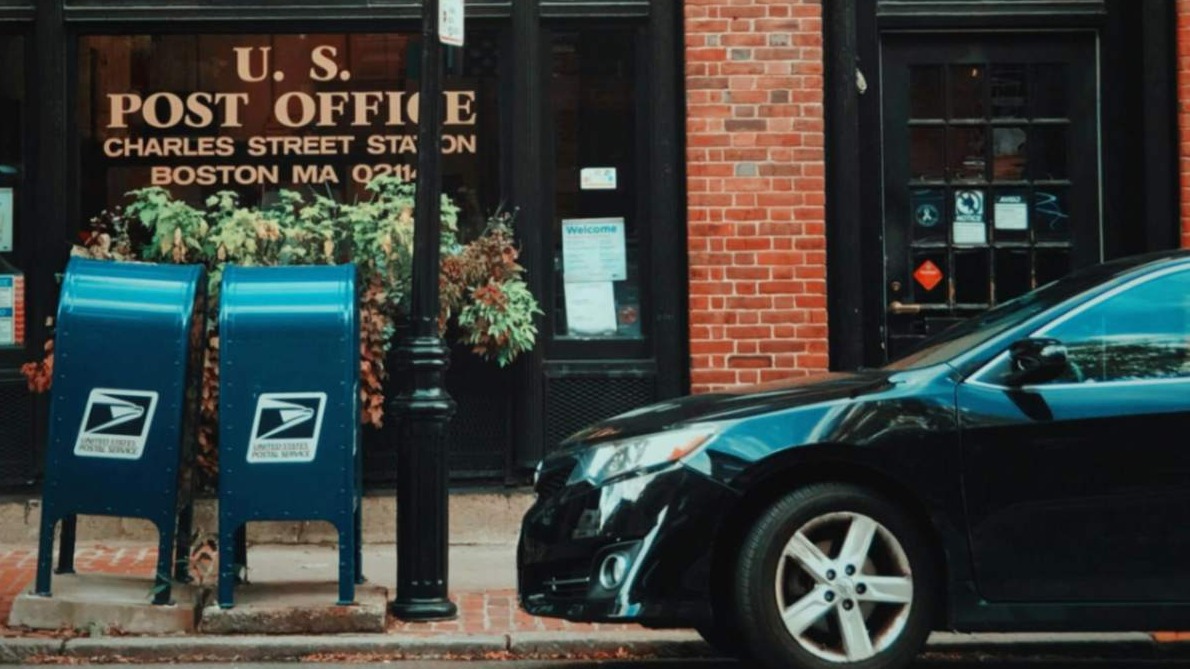
Sidewalk Sovereignty
Definition
Sidewalk sovereignty is a policy and design concept that defines how autonomous delivery robots may use sidewalks, including right-of-way, speed limits, routing, and parking rules. It balances efficient robot deliveries with pedestrian safety, accessibility, and public space management through regulations, technical standards, and local enforcement.
Overview
Sidewalk Sovereignty describes the idea that sidewalks, curbs, and adjacent public space should be managed primarily for people and communities rather than dominated by private commercial uses. At its core it combines policy choices, urban design, and community activism to prioritize pedestrian safety, accessibility, and equitable use of streetscape. For logistics professionals and supply chain newcomers, sidewalk sovereignty matters because it changes where, when, and how goods move in the final leg of delivery.
Why this idea is gaining traction
cities are increasingly contested between competing demands. E commerce growth, food delivery, micromobility, ride-hailing, and curbside retail all push onto limited sidewalk and curb space. Sidewalk sovereignty initiatives respond by introducing rules, infrastructure, and cultural norms that reduce clutter, restrict commercial parking or loading at peak times, and elevate the rights of pedestrians and public life.
How it reshapes urban supply chains
- Rethinking last-mile touchpoints — With reduced curbside loading, carriers move from street-loading models to designated micro-hubs, parcel lockers, and managed loading zones. This shifts the supply chain emphasis toward secure, compact pick-up locations and timed deliveries.
- Micro-fulfillment and inventory localization — To meet tighter delivery windows without relying on sidewalk loading, businesses place inventory closer to customers in small urban warehouses, retail backrooms, or automated lockers. This raises the importance of real-time inventory visibility and shorter replenishment cycles.
- Modal and route changes — Pedestrian-first streets often restrict vehicle access, encouraging cargo bikes, electric trikes, and sidewalk-capable robots where permitted. Car-centric fleets adapt by using permitted staging areas and consolidating drops to fewer, denser locations.
- Coordination with city governance — Logistics providers increasingly negotiate with municipalities for access windows, permit programs, and shared loading infrastructure. Public-private coordination becomes a core operational competency.
- Operational resilience and customer experience — As on-street convenience declines, firms must invest in clear customer communications (pickup windows, locker locations), enhanced returns processes, and flexible delivery options like appointment-based drops.
Practical examples
- Many European cities have pedestrianized central streets and created consolidated delivery hours. Logistics providers respond with night deliveries to micro-hubs or use electric cargo bikes for daytime last miles.
- Retailers in dense US neighborhoods install parcel lockers near subway stations or inside small shops to avoid curbside wait times and fines for blocking sidewalks.
- Pop-up curbside loading zones implemented for deliveries during limited windows, combined with city-managed apps that allow drivers to reserve time slots and avoid conflicts with pedestrian flow.
Types of sidewalk sovereignty measures
- Regulatory — permit limits on curbside commercial loading, restricted delivery hours, fines for sidewalk obstruction, and requirements for shared loading zones.
- Design — widened sidewalks, protected bike lanes, landscaped buffers, and raised curbs that physically discourage parking and loading on pedestrian space.
- Programmatic — community stewardship programs, neighborhood loading zones, shared lockers, and apps that coordinate loading zone use between carriers and vendors.
Best practices for supply chain and logistics providers
- Engage early with city planners and community groups — Co-create loading solutions that balance commercial needs and public space priorities. Pilot programs are a low-risk way to test alternatives.
- Invest in micro-fulfillment and distributed inventory — Placing stock closer to customers reduces reliance on curbside access and shortens delivery times.
- Adopt multimodal last-mile fleets — Cargo bikes, e-cargo trikes, and shared micro-vehicles perform well where sidewalks and curbs are constrained.
- Use technology to coordinate demand — Booking systems for loading zones, dynamic route optimization that accounts for restricted areas, and customer communication platforms reduce failed deliveries and conflicts.
- Design resilient pickup options — Parcel lockers, in-store pickup, and scheduled delivery windows increase predictability and reduce sidewalk disruption.
Common mistakes to avoid
- Assuming one-size-fits-all — Urban neighborhoods differ in use, density, and culture. What works in a downtown shopping district may fail in a residential area.
- Ignoring community input — Implementing logistics solutions without resident engagement can provoke backlash, lead to stricter regulations, and harm brand reputation.
- Overreliance on curbside access — Failing to diversify last-mile options makes operations vulnerable to sudden rule changes or enforcement initiatives.
- Poor coordination with local enforcement — Noncompliance with local curb rules results in fines, vehicle impoundment, and operational delays. Proactively securing permits and using reservation systems reduces risk.
Cost, sustainability, and equity considerations
Sidewalk sovereignty often aims to reduce vehicle dominance, which can lower emissions and improve walkability. However, changes can increase operational costs for carriers and retailers that must invest in new infrastructure. To keep solutions equitable, cities and firms can subsidize community lockers, provide incentives for zero-emission deliveries, and prioritize supply chain changes that preserve jobs while improving public space.
Outlook and strategic implications
Sidewalk sovereignty is not a temporary trend
As cities prioritize climate goals, pedestrian safety, and quality of life, logistics will need to be more collaborative, localized, and multimodal. Organizations that adopt flexible inventory strategies, invest in low-emission last-mile modes, and work with municipal stakeholders will find competitive advantage. For beginners in logistics, understanding sidewalk sovereignty is essential: it reframes last-mile challenges as opportunities to innovate in delivery design, community partnership, and sustainable operations.
Practical next steps for logistics teams
- Map critical delivery locations and identify areas with curb restrictions or heavy pedestrian activity.
- Pilot micro-fulfillment or locker networks in constrained neighborhoods.
- Engage municipal authorities and community organizations to co-design loading solutions and reservation systems.
- Measure impacts on delivery times, costs, and customer satisfaction and iterate.
By recognizing sidewalks as shared civic assets rather than default commercial staging areas, supply chains become more adaptive, community-aligned, and sustainable. Sidewalk sovereignty asks logistics to meet cities where people live and move, and to design last miles that respect public space while still delivering goods efficiently.
Sources And Additional Reading (3)
- Sidewalk Delivery Robots
“Sidewalk Delivery Robots.” Starship Technologies, https://www.starship.xyz/.
- Autonomous Delivery
“Autonomous Delivery.” Serve Robotics, https://www.serverobotics.com/.
- Public Right-of-Way Accessibility Guidelines
“Public Right-of-Way Accessibility Guidelines.” U.S. Access Board, https://www.access-board.gov/prowag/.
More from this term
Looking for a 3PL?
Compare warehouses on Racklify and find the right logistics partner for your business.