
How the Right Tape Dispenser Speeds Up Packaging Operations
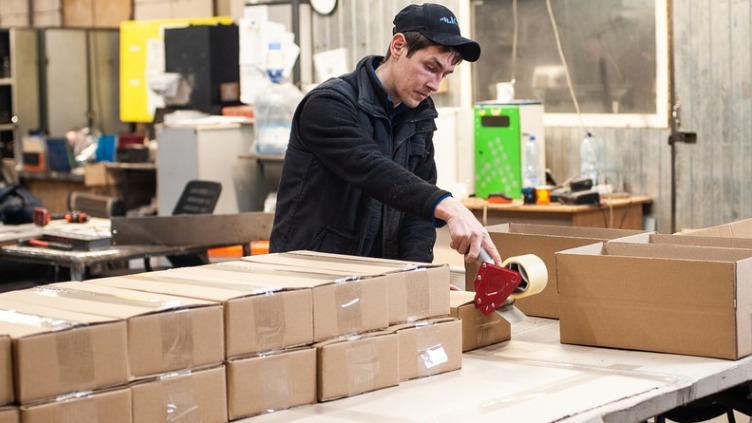
Tape Dispenser
Definition
A manual or electric device that dispenses tape for carton sealing, bundling, or packing tasks.
Overview
A tape dispenser is a tool or machine that holds, advances, and cuts adhesive tape for sealing packages. For beginners, think of it as the device that replaces repeatedly pulling tape by hand and using scissors. The right tape dispenser does more than make the job easier: it standardizes tape application, reduces operator fatigue, minimizes wasted tape, and—when matched to your workflow—can materially speed up packaging operations.
Why the right dispenser matters
Not all packing stations and shipping volumes need the same device. A small seller fulfilling a few dozen orders a day typically does fine with a handheld tape gun. A distribution center processing thousands of parcels daily will get far more value from bench-mounted, semi-automatic, or fully automatic dispensers integrated into the packing line. Choosing the right dispenser affects three operational levers:
- Speed: Faster tape advance, preset lengths, and automatic cutting reduce the seconds spent sealing each box.
- Consistency and quality: Uniform tape placement and tension reduce failed seals and product damage during transit.
- Labor efficiency and ergonomics: Reduced bending, reaching, and repetitive wrist motion lowers fatigue and injury risk.
Common dispenser types and where they fit
- Handheld tape guns: Simple, portable, suited to low-volume packing or mobile packing stations. They speed tasks compared with hand-cut tape and are inexpensive.
- Bench-top (manual/semi-automatic): Operators pull a pre-set length and the machine cuts instantly. Good for medium volumes and packing stations where speed and consistency are needed without full automation.
- Automatic dispensers: Triggered by sensors or integrated controls, these advance and cut tape automatically—ideal for high-volume, repetitive operations and conveyor lines.
- Industrial inline tape machines: Built into packaging lines to seal cartons automatically; best for very high throughput and minimal manual intervention.
How a better dispenser speeds operations in practical terms
- Fewer seconds per package: Pre-set lengths and automatic cutting can shave off several seconds per seal. When scaled across hundreds or thousands of packages, this compounds into substantial throughput gains.
- Reduced tape waste: Accurate length dispensing prevents overuse of tape and eliminates wasted tails, lowering material spend.
- Lower error and rework rates: Consistent application reduces poor seals and customer returns, which saves downstream handling time.
- Better ergonomics: Less repetitive strain and faster motions keep packers productive for longer shifts with fewer injuries or breaks.
Choosing the right dispenser: key factors
- Volume and speed requirements: Measure current packages per hour and peak loads. Bench or semi-automatic units are typically appropriate for medium volumes; automatic or inline machines are for high volumes.
- Tape type and size compatibility: Ensure the dispenser supports your tape width, core diameter, and adhesive type (e.g., acrylic vs. hot-melt). Using the wrong core size or width causes jams and inefficiency.
- Adjustable length and tension: Ability to set tape length and tension reduces waste and adapts to different box sizes.
- Integration and mounting: Decide whether you need a portable tool, bench-mounted unit, or line-integrated machine. Consider conveyor speed synchronization and control interfaces if integrating into an automated line.
- Durability and maintenance: In high-use environments, industrial-grade dispensers with easy access to blades, bearings, and motors reduce downtime.
Implementation best practices
- Pilot before full rollout: Test a candidate dispenser at one or two stations to measure real-world time savings, tape consumption, and operator feedback.
- Train operators: Teach correct tape loading, tension adjustment, and safe blade handling. Small habits—like consistent placement—magnify efficiency gains.
- Set KPIs: Track pack time per unit, tape usage per thousand boxes, and seal failure rates before and after implementation to quantify ROI.
- Match dispenser speed to upstream/downstream processes: An ultra-fast dispenser can create a bottleneck if other packing steps are slower; balance the whole station.
Maintenance and common mistakes to avoid
- Neglecting maintenance: Dirty sensors, dull blades, or worn rollers reduce performance. Schedule routine inspections and keep replacement parts on hand.
- Wrong tape specs: Using tape with the wrong core size or adhesive can cause jams or poor seals. Always match tape specs to the dispenser’s design.
- Overlooking ergonomics: Mounting a bench dispenser at the wrong height or forcing awkward reaches undermines expected speed gains.
- Ignoring operator input: Packagers often spot friction points early; involve them in selecting and tuning devices.
Return on investment and measurable benefits
A dispenser’s ROI comes from labor savings (faster seals, fewer packers needed), material savings (less wasted tape), fewer damaged shipments, and reduced worker injuries. To estimate ROI, multiply seconds saved per box by average boxes per day to compute labor-hours saved, then convert to labor cost savings and compare against equipment cost and consumables. Many operations recover the cost of a mid-range semi-automatic dispenser within months; larger facilities often see payback even faster with high-volume inline machines.
When a dispenser is not the solution
Not every packaging scenario benefits equally. Specialty packaging that requires glue, straps, or overwraps may need different machinery. Also, for very low volumes where upfront cost matters more than per-unit time savings, a basic handheld gun may remain the best choice.
In short, selecting the right tape dispenser is a practical, high-impact way to speed packaging operations. Assess your volume, tape specs, ergonomic needs, and integration requirements; pilot a few options; train staff; and track KPIs. Done well, the right dispenser reduces cycle time, lowers costs, and makes packing a smoother, safer task for your team.
Sources And Additional Reading (3)
- Packaging Tape Dispensers
“Packaging Tape Dispensers.” Uline, https://www.uline.com/BL_761/Packing-Tape-Dispensers.
- Case Sealing Solutions
“Case Sealing Solutions.” Intertape Polymer Group, https://www.itape.com/.
- Packaging Tape
“Packaging Tape.” 3M, https://www.3m.com/3M/en_US/p/c/tapes/packaging/.
More from this term
Looking for a 3PL?
Compare warehouses on Racklify and find the right logistics partner for your business.