
How to Build a Simple Distribution Strategy for Small Businesses
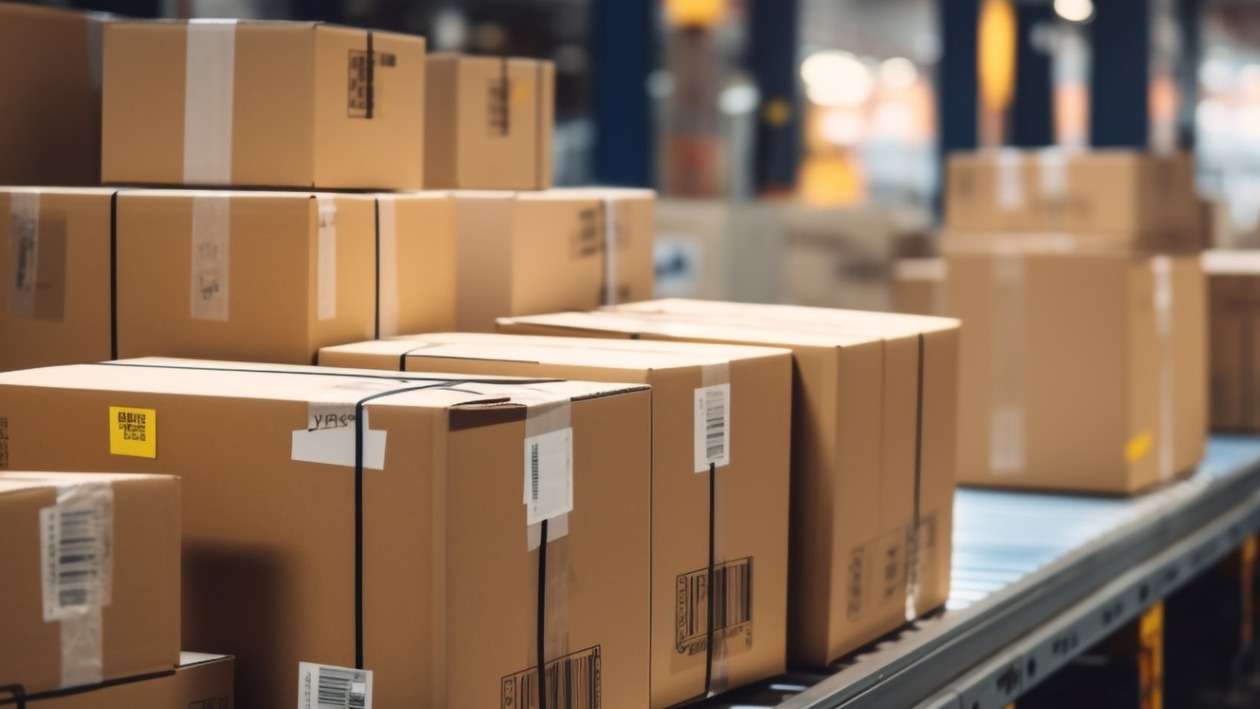
Distribution
Definition
Distribution is the process of moving and delivering goods from manufacturers or warehouses to retailers, customers, or other endpoints. It involves storage, transportation, inventory management, and order fulfillment to ensure products arrive at the right place, on time, and in good condition.
Overview
Creating a distribution strategy helps small businesses ensure products reach customers efficiently and affordably. A practical, beginner-friendly strategy focuses on clear goals, simple processes, and options that can scale as the business grows. This guide walks through steps you can apply immediately.
Step 1: Define your goals and customer promise
Begin by asking what you want distribution to achieve. Is your priority low cost, fastest delivery, wide coverage, or a premium experience? Also define the customer promise—what delivery speed, packaging quality, and return options will you offer? Clear answers shape later choices about channels, partners, and investments.
Step 2: Know your customers and product needs
- Identify where your customers shop (online marketplaces, social media, local stores).
- Consider product characteristics: size, weight, fragility, perishability—these affect storage and shipping choices.
- Understand order patterns: small frequent orders need different handling than large, infrequent purchases.
Step 3: Choose distribution channels
For small businesses, start simple:
- Direct online sales: Use your website or marketplaces to reach customers with low upfront channel costs.
- Local retailers or pop-ups: Partner with nearby stores to test demand and gain brick-and-mortar exposure.
- Third-party fulfillment (3PL) or drop-shipping: Consider outsourcing storage and shipping when order volumes rise.
Step 4: Plan warehousing and fulfillment
If you hold stock, decide on storage options. Many small businesses start with home or small rented storage and transition to a fulfillment center as sales grow. Key considerations:
- Inventory organization for fast picking and packing.
- Packaging that protects products while keeping costs down.
- Returns handling—define a simple policy and process.
Step 5: Choose shipping and transportation partners
Compare courier options for price, speed, and reliability. For local deliveries, consider same-day couriers or click-and-collect models. Negotiate rates as volumes grow and use carrier tools to print labels and track shipments to improve customer communication.
Step 6: Use simple technology for visibility
Even basic tools help a lot. Use spreadsheet templates or affordable inventory apps to track stock and sales. When ready, upgrade to a lightweight warehouse management system (WMS) or integrated e-commerce platform that connects orders, inventory, and shipping.
Step 7: Monitor costs and performance
- Track distribution cost per order and per unit to understand profitability.
- Measure order accuracy, on-time delivery rate, and return rate to spot issues early.
- Review inventory turnover to avoid overstocking or stockouts.
Step 8: Scale thoughtfully
When demand grows, scale one piece at a time:
- Add a fulfillment partner before expanding to multiple warehouses.
- Test new sales channels regionally before launching nationally.
- Automate repetitive tasks like label printing and stock alerts to reduce errors.
Common pitfalls for small businesses:
- Ignoring hidden costs: Returns, packaging, and last-mile delivery can erode margins if not accounted for.
- Overcomplicating early: Trying too many channels or warehouses too soon adds complexity and cost.
- Poor communication: Lack of shipment tracking and updates frustrates customers and increases support demands.
Practical example: A small gourmet jam maker starts selling at local farmers markets and on their website, shipping orders directly from home. They keep a modest inventory, use sturdy, recyclable jars and padding, and partner with a regional courier for local deliveries. As online demand grows, they switch to a regional 3PL to handle pick-and-pack, freeing the owner to focus on marketing and product development.
Final tips:
- Start with one or two reliable channels and do them well.
- Prioritize visibility—know stock levels and shipment status to keep customers informed.
- Review performance regularly and adjust based on data and customer feedback.
With a simple, customer-focused distribution strategy, small businesses can deliver products reliably while keeping costs manageable. As volumes increase, build processes and partnerships incrementally so your distribution network grows with your business—keeping your customers happy and operations sustainable.
Sources And Additional Reading (3)
- Ecommerce Fulfillment
“Ecommerce Fulfillment.” Shopify, https://www.shopify.com/blog/ecommerce-fulfillment.
- Warehousing and Distribution
“Warehousing and Distribution.” Ryder, https://www.ryder.com/en-us/logistics/warehousing-distribution.
- Transportation Management
“Transportation Management.” C.H. Robinson, https://www.chrobinson.com/en-us/shippers/freight-services/.
More from this term
Looking for a 3PL?
Compare warehouses on Racklify and find the right logistics partner for your business.