
How to Comply with the IMDG code: Practical Steps for Shippers
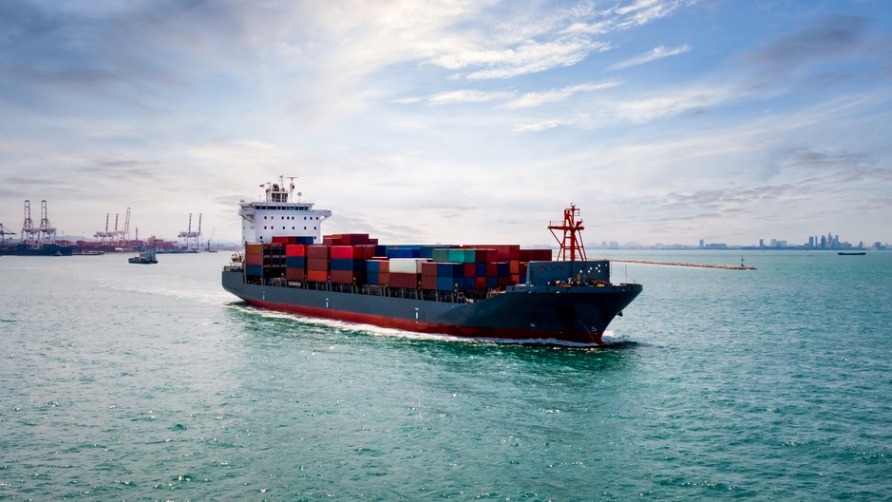
IMDG code
Definition
The IMDG Code (International Maritime Dangerous Goods Code) is an international set of rules published by the International Maritime Organization that governs the safe transport of hazardous materials by sea. It specifies classification, packaging, labeling, documentation, stowage, segregation, and emergency procedures to reduce risks to ships, crews, property, and the environment.
Overview
Complying with the IMDG code might seem complex at first, but it becomes manageable when you follow a clear step-by-step process. The IMDG Code sets required practices for anyone preparing or handling dangerous goods for maritime transport. This entry gives practical, beginner-friendly steps to help shippers and logistics teams meet those requirements.
Step 1 — Identify and classify the product
Start with the product’s Safety Data Sheet (SDS). Determine the hazard class (Classes 1–9) and whether the substance has a UN number or a proper shipping name. If the SDS is unclear, consult a dangerous-goods specialist or the national competent authority. Proper classification drives the rest of your decisions.
Step 2 — Determine packing requirements and choose approved packaging
Once classified, consult the IMDG Code’s packing instructions and special provisions. The Code specifies packaging types and performance standards and divides materials into packing groups (I, II, III) indicating severity. Use UN-approved packagings and make sure inner and outer packaging combinations meet the tests for your material. For liquids this may be drums or IBCs; for solids, UN-approved boxes or drums.
Step 3 — Mark, label and placard correctly
Apply the required marks and labels: the UN number, proper shipping name, hazard labels (e.g., flame, corrosive), and handling instructions. For containers and vehicles, affix appropriate placards and shipper marks. Ensure marks are durable and visible. Use the exact wording and label pictograms from the IMDG Code to avoid misinterpretation.
Step 4 — Prepare accurate documentation
- Shipper’s Declaration for Dangerous Goods — This is often mandatory for sea transport. It must include the proper shipping name, UN number, class, packing group, quantity, and emergency contact details.
- Packing list and commercial documents — Make sure the dangerous goods information matches your commercial invoice and packing list to prevent delays.
- Emergency information — Include the EmS code and emergency telephone contact on documents. The EmS guide provides firefighting and spillage response actions specific to the substance.
Step 5 — Check stowage and segregation rules
The IMDG Code defines how to stow dangerous goods onboard and which substances cannot be stowed together (segregation). For example, oxidizing agents must be kept away from flammable liquids and reducing agents. Verify whether the cargo must be stowed on deck or under deck and ensure the shipper, packer and carrier agree on stowage instructions.
Step 6 — Declare and communicate with your carrier
Submit the shipper’s declaration and all required documents to the carrier on time. Communicate special handling needs, dangerous goods labels, and stowage requirements. The carrier must accept the loads only if documentation and packaging conform to the IMDG Code.
Step 7 — Training and recordkeeping
The IMDG Code requires personnel involved in dangerous goods handling to be trained. This includes staff who prepare consignments, pack, mark, label and prepare documentation. Keep training records and copies of declarations and packing certificates for the period required by relevant national legislation.
Practical example
A manufacturer wants to export aerosols (Class 2.1 or 2.2 depending on composition). The shipper would: (1) confirm the UN number and classification from the SDS, (2) select UN-approved aerosol packaging, (3) attach the non-flammable/flammable gas label and the UN number on the package, (4) complete a shipper’s declaration with the EmS code and emergency contact, (5) inform the carrier about any stowage constraints and ensure the cargo is segregated from incompatible goods, and (6) retain training records proving staff are qualified to prepare aerosols for sea carriage.
Beginner tips and common compliance checkpoints
- Use the IMDG Code edition required by the carrier and authorities; amendments are published every two years.
- Cross-check the SDS information and the IMDG Code list (UN numbers and proper shipping names).
- Label photos and packaging inspections before handover reduce rejection risk at the terminal.
- Keep a checklist: classification, packaging, marking, labelling, documentation, stowage, training.
Following these steps reduces the chance of rejections, fines, delays, and safety incidents. If in doubt, consult a dangerous-goods consultant or an experienced freight forwarder—especially when you’re starting to ship hazardous cargo by sea.
More from this term
Looking for a 3PL?
Compare warehouses on Racklify and find the right logistics partner for your business.