
How to integrate 3PL with Social Commerce — Strategic Implementation Guide

How to integrate 3PL with Social Commerce
Definition
Integrating 3PL with social commerce means connecting social selling channels and storefronts to third-party logistics providers so orders, inventory, shipping, and returns are coordinated automatically. This typically uses APIs or middleware to sync stock, route orders to the correct warehouse, enable real-time tracking, and streamline fulfillment for faster, more reliable customer delivery.
Overview
How to integrate 3PL with Social Commerce — Strategic Implementation Guide
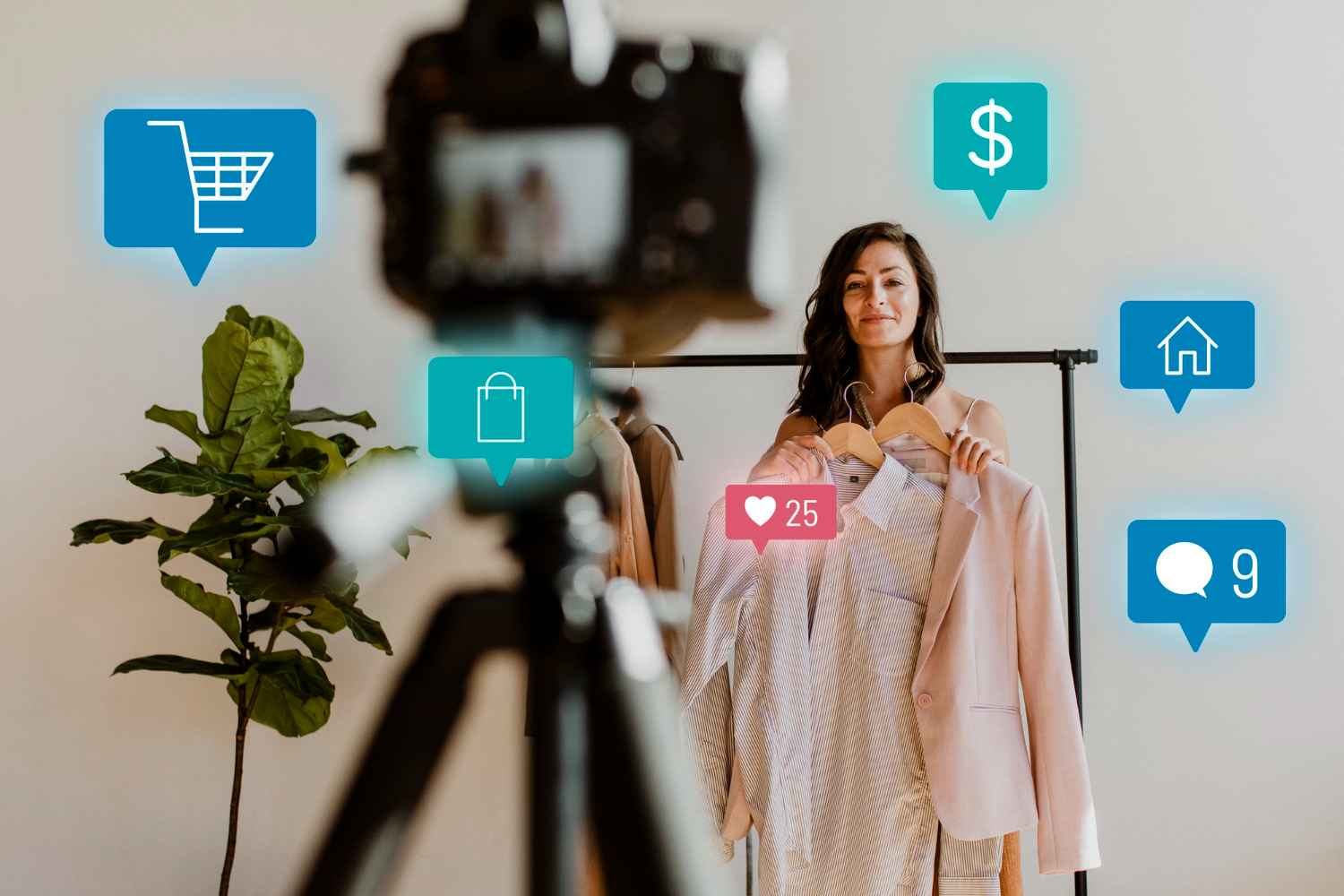
Integrating 3PL with social commerce is a strategic initiative that connects the operational strength of third-party logistics (3PL) providers with the immediacy and customer engagement of social platforms. For brands selling directly through social media channels, marketplaces embedded in social apps, or influencer-driven storefronts, the integration ensures orders received through social commerce are fulfilled accurately, fast, and with a consistent customer experience.
This guide covers the planning, selection, contractual, and organizational steps required to integrate 3PL with social commerce channels, with practical examples, KPIs, and common pitfalls.
Why integrate 3PL with social commerce?
- Scalability: Social campaigns can spike demand quickly; a 3PL provides capacity and geographic reach to scale fulfillment without heavy capital investment.
- Customer experience: Fast, accurate delivery and simple returns are critical for social shoppers who expect the convenience of direct-to-consumer commerce.
- Focus on core competencies: Brands can concentrate on product, marketing, and social engagement while 3PLs handle warehousing and shipping complexities.
Strategic preparation and alignment
Start with a cross-functional team: marketing, e-commerce, operations, finance, and legal. The team should define business objectives, order volume forecasts, seasonal variances tied to campaigns or influencer schedules, desired delivery SLAs, and customer experience standards (unboxing, packaging inserts, CSR messaging).
Map the sales funnel for each social commerce touchpoint: live selling, in-app storefronts, shoppable posts, stories, or direct messaging purchases. Identify order capture fields, payment flows, promotions, and refund/return triggers so operational requirements are clear to logistics partners.
Selecting a 3PL partner
- Capabilities and specialization: Evaluate whether a 3PL has experience with direct-to-consumer and social commerce origins, including picking small parcel orders, kitting for influencer bundles, and handling high return rates.
- Geographic footprint: Choose a partner with fulfillment nodes near target customer clusters to enable fast, low-cost shipping and lower carbon footprint.
- Technology and integrations: Confirm the 3PL offers APIs, webhooks, or marketplace connectors that can accept orders from social commerce platforms and return real-time tracking and inventory data.
- Service levels and SLAs: Define expectations for order processing times, cut-off times for same-day dispatch, and exception handling procedures.
- Brand and packaging control: Ensure the 3PL can support branded packaging, custom inserts, and special campaign requirements (gift wrapping, sample inclusion).
Contracting and KPIs
Negotiate contracts that include clear KPIs aligned to social commerce needs, such as order-to-ship time, on-time delivery rate, pick accuracy, return processing time, and inventory accuracy. Include clauses for surge capacity, promotional peaks, and penalties or remediation steps for SLA breaches. Build in periodic review cadences tied to marketing calendars and campaign plans.
Operational playbook
Create a playbook covering order routing rules (e.g., prioritize nearest fulfillment center), promotional handling (discount codes, bundles), fraud detection coordination, returns routing, and customer communications. Define ownership for exception cases such as lost shipments or high return rates from a particular influencer campaign.
Inventory strategy
Decide between centralized inventory for control and lower stockholding costs versus distributed inventory for faster delivery. For social commerce that targets geographically concentrated audiences, distributed inventory often reduces shipping costs and transit times. Use a buffer stock strategy for campaign inventory and trigger reorders based on campaign cadence and lead times.
Customer experience and brand consistency
Social shoppers often expect a seamless brand experience. Ensure 3PL packaging, inserts, and returns processes reflect brand guidelines. Coordinate on unboxing experiences and any influencer-driven packaging variants. Align customer support messaging with the 3PL for consistent post-purchase communications including tracking updates and returns confirmations.
Performance measurement and continuous improvement
Track KPIs weekly during campaigns and monthly otherwise. Use data to optimize cut-off times, fulfillment node usage, and packaging choices. Collect post-delivery customer feedback from social commerce channels to identify product or fulfillment issues arising specifically from social commerce purchases.
Example scenario
A fashion brand runs a live selling event on a social platform, generating 3,000 orders in two hours. Pre-integration, such spikes caused delays and customer complaints. Post-integration, the brand coordinates with its 3PL to pre-stage inventory near major demand centers, activates a promotional fulfillment workflow that prioritizes these orders, and uses API-based order feeds for immediate processing. The result: 95% of orders shipped within promised SLAs and a significant reduction in return-related customer disputes.
Common mistakes to avoid
- Underestimating campaign-driven spikes and not contracting surge capacity.
- Choosing a 3PL without direct-to-consumer or social commerce experience.
- Neglecting brand packaging requirements and unboxing experience.
- Failing to align data flows and order IDs between social platforms and 3PL systems, causing reconciliation issues.
Conclusion
How to integrate 3PL with social commerce requires strategic alignment across teams, careful partner selection, clear SLAs, and a focus on customer experience. With a well-structured plan and operational playbook, brands can leverage 3PL capabilities to scale social commerce effectively while maintaining control over brand perception and delivery performance.
Sources And Additional Reading (3)
- Social Commerce
“Social Commerce.” Shopify, https://www.shopify.com/blog/social-commerce.
- TikTok Shop Seller University
“TikTok Shop Seller University.” TikTok Shop, https://seller-us.tiktok.com/university.
- Omnichannel Fulfillment Services
“Omnichannel Fulfillment Services.” Ryder, https://www.ryder.com/en-us/logistics/omnichannel-fulfillment.
More from this term
Looking for a 3PL?
Compare warehouses on Racklify and find the right logistics partner for your business.