
IMDG code: Guide to Shipping Dangerous Goods by Sea
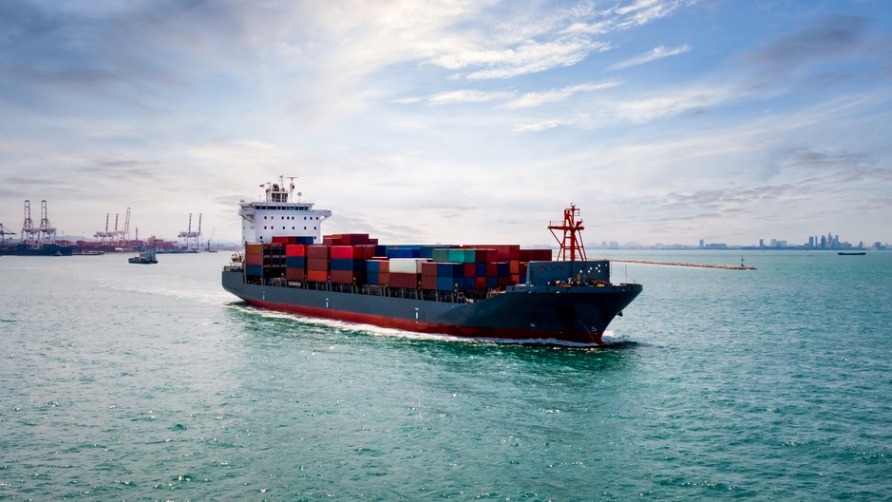
IMDG code
Definition
The IMDG Code (International Maritime Dangerous Goods Code) is an international set of rules published by the International Maritime Organization that governs the safe transport of hazardous materials by sea. It specifies classification, packaging, labeling, documentation, stowage, segregation, and emergency procedures to reduce risks to ships, crews, property, and the environment.
Overview
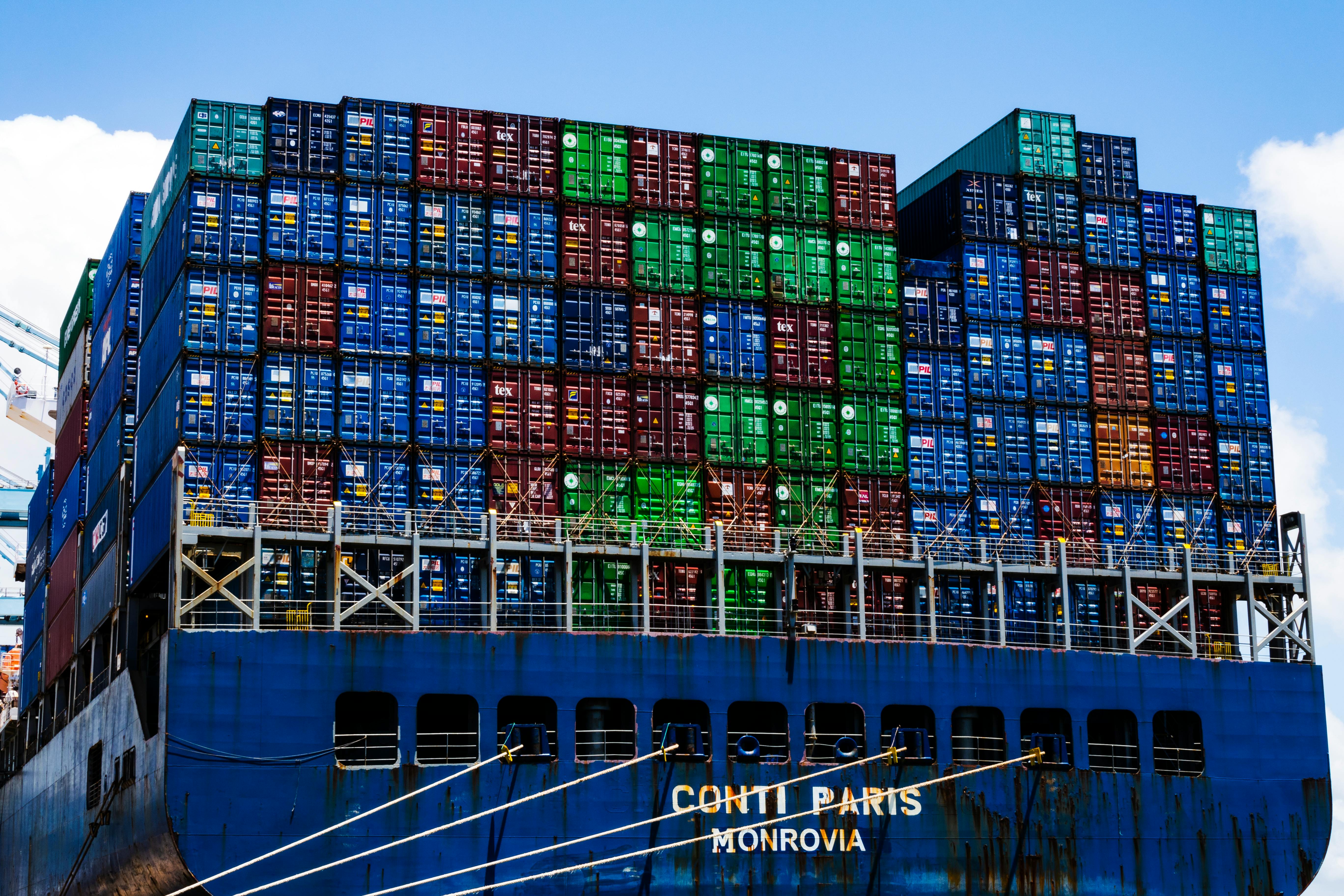
The IMDG code (International Maritime Dangerous Goods Code) is a set of rules published by the International Maritime Organization (IMO) that governs the safe transport of dangerous goods by sea. It tells shippers, carriers, freight forwarders, port operators and ship crews how to identify hazardous materials, which packaging, labeling and documentation to use, and how to stow and segregate goods on board to reduce risk.
Think of the IMDG code as the rulebook for anything that could be dangerous on a ship—flammable liquids, corrosive acids, toxic solids, oxidizers, and many more. The Code provides clarity so that everyone handling a hazardous shipment uses the same language and the same precautions.
Key elements covered in the IMDG code
- Classification — Each dangerous item is assigned to one of the hazard classes (Classes 1–9) and is given a UN number (a four-digit identifier).
- Packing and packing groups — The Code specifies approved packaging types and performance standards. Packing groups (I, II, III) indicate the level of danger and the required robustness of packaging.
- Marking and labeling — Packages and containers must display UN numbers, proper shipping names, hazard labels and handling marks so handlers can see the risks at a glance.
- Documentation — The shipper’s declaration for dangerous goods and the ship’s manifest must contain specific information defined by the Code.
- Stowage and segregation — Detailed rules explain where cargo can be placed on a ship and which substances must be kept apart (e.g., oxidizers vs. flammables).
- Emergency response — The Code includes emergency procedures and the Emergency Schedules (EmS) that guide first responders during incidents at sea.
Who must use the IMDG code?
Anyone involved in the international sea transport of hazardous goods should follow the IMDG code: shippers preparing consignments, freight forwarders arranging carriage, carriers accepting cargo, port staff loading and unloading containers, and ship crews managing stowage and emergency response. Many national regulatory frameworks incorporate the IMDG Code, so compliance is often a legal requirement.
How the IMDG code is maintained
The IMO issues amendments to the IMDG Code on a two-year cycle. These amendments reflect changes in technology, packaging, materials and safety knowledge. It’s important to use the edition required by the relevant authorities and your contract of carriage; often the current edition plus any mandatory amendments is required.
A simple real-world example
Imagine a company wants to export cans of a flammable solvent by sea. Under the IMDG code the solvent will be:
- Classified (e.g., Class 3 flammable liquid) and assigned a UN number;
- Packaged using an approved drum or jerrican that meets the Code’s performance tests;
- Marked with the proper shipping name, UN number and Class 3 hazard label;
- Documented with a shipper’s declaration for dangerous goods that includes UN number, packing group, quantity and emergency information;
- Stowed on the ship according to the stowage rules for flammable liquids — not near oxidizers or heat sources.
Beginner tips
- Always refer to the latest IMDG code edition and mandatory amendments before arranging sea transport.
- Use Safety Data Sheets (SDS) from your supplier to help classify and declare goods.
- Ensure staff who prepare, pack and document dangerous goods receive IMDG code training—this is often a regulatory requirement.
- Work with experienced freight forwarders or dangerous-goods experts when you’re new to shipping hazardous materials.
The IMDG code is a practical, international tool that makes sea transport of hazardous goods predictable and safer. For beginners, the best approach is to learn the core concepts—classification, packaging, marking, documentation and stowage—and then apply them step by step with the help of your safety data sheets and trained personnel.
More from this term
Looking for a 3PL?
Compare warehouses on Racklify and find the right logistics partner for your business.